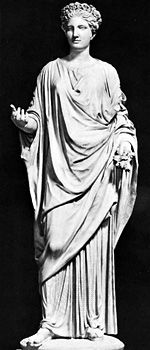
In Roman mythology, Flora is the goddess of flowers and the season of spring. She embodies the beauty and vitality of nature, representing the blossoming of flowers and the renewal of life that comes with the warmer months. Flora was celebrated for her role in agriculture and the fertility of the earth, making her an essential figure in the pantheon of Roman deities. Her influence extended beyond just flowers; she was also associated with the growth of plants and the bounty of the harvest. Festivals in her honor marked the arrival of spring, a time when the earth awakens from the cold grasp of winter.
The Origins of Flora
 Fontus
The origins of Flora can be traced back to ancient Roman culture, where she was worshipped as a vital force of nature. Flora was often linked to the Etruscan goddess of flowers and spring, who held similar attributes. This connection indicates that Flora’s worship likely evolved from earlier traditions. The Romans adopted many elements from the cultures they encountered, and Flora became an integral part of their religious practices. Her name itself is derived from the Latin word for flower, “flos,” emphasizing her deep connection to nature and the blossoming of flora.
In Roman mythology, Flora is often depicted as a beautiful young woman adorned with flowers. She symbolizes not only the beauty of nature but also the vitality of life itself. Her image was frequently used in art and sculpture, representing the abundance of spring. Flora’s character is often associated with joy, celebration, and the renewal of life, reflecting the happiness that spring brings after the long winter months. As a goddess, she was revered by the people for her ability to promote growth and fertility in both plants and animals.
The Festival of Flora
The Floralia was a festival dedicated to Flora, celebrated in late April and early May. This festival marked the beginning of the planting season and was characterized by vibrant celebrations filled with flowers, games, and theatrical performances. The Floralia was a time of joy and merriment, where people adorned themselves with flowers and participated in various festivities. It was a time for the community to come together and celebrate the beauty of nature and the blessings of the earth.
 Fornax
During the Floralia, rituals were performed to honor Flora and ensure a fruitful growing season. Offerings of flowers and seeds were made at her temples, and the celebrations included theatrical performances that often featured themes of love and nature. The festival was also marked by the release of animals, particularly hares, which symbolized fertility and the renewal of life. The vibrant atmosphere of the Floralia reflected the joy and excitement that spring brings, making it one of the most beloved festivals in the Roman calendar.
Flora in Roman Art and Literature
Flora’s presence in Roman art is significant, as she is often depicted in mosaics, frescoes, and sculptures. Artists portrayed her as a beautiful woman surrounded by blooming flowers, emphasizing her connection to nature. These artistic representations served not only as decorations but also as a means of conveying the importance of Flora in Roman society. The imagery of Flora was meant to invoke feelings of happiness and prosperity, reminding the people of the blessings that spring brings.
In literature, Flora appears in various works by Roman poets and playwrights. She is often associated with themes of love, beauty, and nature. Poets like Ovid and Virgil celebrated her in their writings, highlighting her role in the cycle of life and the importance of flowers in romantic expressions. Flora’s character is often intertwined with that of other deities, such as Venus, the goddess of love, further emphasizing her significance in matters of the heart and the beauty of the natural world.
 Fortuna
Flora’s Symbolism
Flora symbolizes several important concepts in Roman mythology. Primarily, she represents fertility and the growth of nature. Her association with flowers signifies beauty, renewal, and the cyclical nature of life. As spring arrives and flowers bloom, Flora embodies the promise of new beginnings and the hope that comes with them. This symbolism is not limited to just plants; it extends to the fertility of the earth and the abundance of crops that follow the spring season.
Additionally, Flora is a symbol of joy and celebration. The festivals held in her honor are a testament to the happiness that spring brings. People come together to celebrate the beauty of nature, reinforcing community bonds and the joy of life. Flora’s influence reminds us of the importance of appreciating the natural world and the beauty it offers. Her presence in mythology encourages people to embrace the changing seasons and find joy in the simple pleasures of life.
Flora’s Legacy
The legacy of Flora continues to influence modern culture. Her name is often used in various contexts related to flowers and nature. The term “flora” is commonly used in biology to refer to the plant life in a particular region or environment. This scientific usage of her name reflects the enduring impact of her character on our understanding of nature. Flora’s legacy is not just confined to ancient mythology; it has evolved into a broader appreciation for the beauty of plants and flowers in our world.
Moreover, Flora’s influence can be seen in various art forms, from paintings to poetry. Artists and writers continue to draw inspiration from her character, using her symbolism to express themes of love, beauty, and renewal. Flora’s image is often used in gardens and floral arrangements, serving as a reminder of the beauty and vitality that flowers bring to our lives. Her legacy as the goddess of flowers remains alive in contemporary culture, celebrating the connection between humanity and nature.
Flora and Other Deities
Flora’s character is often intertwined with that of other deities in Roman mythology. One of the most notable associations is with Venus, the goddess of love and beauty. Both goddesses symbolize aspects of femininity and fertility, making them complementary figures in Roman belief. Venus represents romantic love, while Flora embodies the beauty of nature and the joy of spring. Their connection highlights the interdependence of love and nature, as both are essential for the flourishing of life.
Another deity associated with Flora is Ceres, the goddess of agriculture and the harvest. Ceres is responsible for the growth of crops, while Flora symbolizes the flowers that bloom during the planting season. Together, they represent the cycle of growth and fertility in nature. The collaboration between Flora and Ceres in Roman mythology emphasizes the importance of both flowers and crops in sustaining life and nourishing communities.
The Worship of Flora
The worship of Flora involved various rituals and practices that aimed to honor her and seek her blessings. Temples dedicated to Flora were built in different parts of Rome, where people would gather to offer prayers and sacrifices. Priests and priestesses performed rituals to ensure a bountiful harvest and the flourishing of flowers during spring. These rituals often included offerings of flowers, fruits, and other natural products to demonstrate gratitude for Flora’s blessings.
In addition to formal worship, Flora was also celebrated in everyday life. People would decorate their homes and public spaces with flowers, especially during the Floralia festival. This practice served to honor Flora and create an atmosphere of joy and celebration. The act of surrounding oneself with flowers is a way to connect with nature and acknowledge the beauty that Flora represents. This connection to the goddess continues in modern times, as flowers remain a popular symbol of love and celebration in various cultures.
Flora in Modern Culture
Flora’s influence extends into modern culture, where her symbolism is embraced in various forms of art, literature, and even commercial branding. Many brands use floral imagery to convey messages of beauty, growth, and vitality. The image of flowers is often associated with love, making them popular choices for gifts and decorations in celebrations such as weddings and anniversaries. Flora’s legacy as the goddess of flowers continues to inspire people to appreciate the beauty of nature and the joy it brings to our lives.
Moreover, Flora’s character has been adapted in various forms of storytelling, from novels to films. Her association with nature and beauty resonates with audiences, reminding them of the importance of preserving the environment and appreciating the simple joys in life. Flora’s story serves as a reminder that nature is not only a backdrop for human life but a vital force that deserves respect and reverence. Through these modern interpretations, Flora’s influence remains relevant, encouraging a deeper connection with the natural world.
The Importance of Flora in Ecology
Flora plays a crucial role in the ecosystem, contributing to the balance of nature and the health of our planet. Flowers are essential for the reproduction of many plants, providing food for pollinators such as bees, butterflies, and birds. This symbiotic relationship between flowers and pollinators is vital for the production of fruits and seeds, which in turn support various forms of wildlife. The presence of diverse flora is a key indicator of a healthy ecosystem, as it promotes biodiversity and sustains life.
Furthermore, the study of flora is important for understanding ecological changes and environmental health. Scientists and ecologists study plant life to monitor the effects of climate change, habitat loss, and pollution. By understanding the distribution and health of different plant species, researchers can assess the overall health of ecosystems and develop conservation strategies. Flora serves as a barometer for environmental conditions, highlighting the interconnectedness of all living beings and the importance of protecting our natural world.
Flora in Different Cultures
While Flora is a prominent figure in Roman mythology, the concept of floral deities exists in many cultures around the world. For instance, in Greek mythology, the goddess Chloris is similar to Flora, representing flowers and the spring season. Chloris is often depicted as a beautiful woman surrounded by flowers, embodying the same themes of beauty and fertility. This parallel highlights the universal appreciation for the beauty of flowers and their significance in various cultures.
In other cultures, flowers hold symbolic meanings that are deeply rooted in tradition and spirituality. For example, in many Eastern cultures, flowers are associated with purity, enlightenment, and the cycle of life and death. The lotus flower, in particular, is a powerful symbol in Buddhism, representing spiritual awakening and the journey toward enlightenment. These cultural interpretations of flowers reflect the diverse ways in which humanity connects with nature and the profound impact that flora has on our lives.
The Future of Flora
As we move forward, the importance of Flora and the appreciation of nature remain crucial in our lives. With increasing urbanization and environmental challenges, it is essential to foster a deeper connection with the natural world. Initiatives to promote green spaces, community gardens, and conservation efforts are vital for preserving flora and the ecosystems they support. By recognizing the significance of flowers and plants in our lives, we can work towards a more sustainable future.
Education and awareness about the importance of flora in our ecosystems can also lead to positive changes. Schools and communities can engage in activities that promote gardening, plant care, and environmental stewardship. By instilling a love for nature in future generations, we can ensure that the legacy of Flora continues to thrive. The celebration of flowers, both in mythology and reality, serves as a reminder of the beauty and vitality that nature offers, encouraging us to cherish and protect our environment.