
In Roman mythology, Discordia is the personification of discord and strife. She represents chaos, conflict, and disharmony, often embodying the negative aspects of human relationships. In the grand tapestry of Roman beliefs, Discordia plays a crucial role, reflecting the struggles that individuals face in their lives. Her Greek counterpart, Eris, is similarly known for causing turmoil among gods and mortals alike. This article will delve into the various aspects of Discordia, exploring her origins, significance, and the ways in which she has influenced both mythology and culture throughout history.
Origins of Discordia
The origins of Discordia can be traced back to ancient Roman culture, where gods and goddesses were often associated with specific human experiences and emotions. As a personification of discord, she was believed to arise from the conflicts that were a natural part of life. The Romans, like the Greeks, understood that strife could lead to growth and change, even if it was often painful. Discordia, therefore, was not merely a harbinger of chaos; she was also a reminder that conflict could pave the way for resolution and understanding.
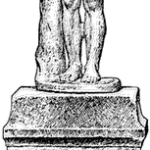 Dius-fidus
In Roman literature, Discordia is often depicted in various forms. She may be represented as a fearsome figure, wielding weapons that symbolize conflict, or as a more subtle presence, lurking in the shadows of human interactions. This duality captures the essence of discord itself—while it can be overt and violent, it can also manifest in more insidious ways, such as jealousy and betrayal. The Romans often used myths and stories to illustrate these complex emotions, allowing them to explore the nature of discord in a way that was both engaging and enlightening.
Discordia in Roman Myths
Discordia appears in several Roman myths, often playing a pivotal role in the stories that involve conflict among gods and mortals. One of the most notable tales is that of the Judgment of Paris, which, although originating in Greek mythology, had significant implications in Roman culture as well. In this story, Discordia throws a golden apple into a gathering of deities, inscribed with the words “to the fairest.” This simple act of mischief ignites a fierce competition among the goddesses Hera, Athena, and Aphrodite, ultimately leading to the Trojan War. Here, Discordia’s role is clear: she sows the seeds of envy and rivalry that escalate into larger conflicts.
Another myth where Discordia is central involves the tale of the Trojan War. The war itself is a culmination of various disputes, many of which can be traced back to Discordia’s influence. The strife between the Greeks and Trojans exemplifies how discord can lead to catastrophic consequences. It is important to note that in Roman mythology, the gods often used mortals as pawns in their games, highlighting how the divine could manipulate human emotions to create chaos.
 Egeria
The Symbolism of Discordia
Discordia is rich in symbolism, often represented by various attributes that reflect her nature. One of her most recognizable symbols is the broken sword, which signifies the idea that conflicts can lead to destruction. This symbolism is important as it serves as a reminder of the consequences of discord, urging individuals to seek harmony rather than conflict. Additionally, she is often depicted alongside snakes, which represent cunning and treachery. These creatures embody the darker aspects of human nature that can lead to strife and division.
Furthermore, Discordia is frequently associated with the color red, symbolizing bloodshed and violence. This connection underscores the idea that while discord can arise from trivial disputes, it can escalate into serious confrontations that have lasting effects. In Roman art and literature, these symbols serve to remind audiences of the importance of unity and the dangers of allowing discord to fester unchecked.
Discordia in Roman Culture
The influence of Discordia extends beyond mythology into the broader aspects of Roman culture. The Romans were keenly aware of the role that conflict played in their society, from political strife to personal rivalries. As such, Discordia was often invoked in discussions about governance and leadership. Roman leaders would sometimes use the concept of discord to rally support, portraying their opponents as agents of chaos. This strategic use of Discordia reflects how deeply ingrained the idea of strife was in the Roman consciousness.
 Egestes
Additionally, literature from the Roman era frequently explores themes of conflict and resolution. Poets and playwrights often used Discordia as a motif to highlight the struggles of their characters. For example, in works by Virgil and Ovid, the consequences of discord are vividly portrayed, illustrating how personal conflicts can have far-reaching implications. Through these narratives, the Romans were able to engage with the concept of discord in a way that was both relatable and thought-provoking.
Lessons from Discordia
One of the most significant lessons that can be drawn from the mythology of Discordia is the importance of conflict resolution. While discord is an inevitable part of life, it is essential to address and resolve conflicts in a constructive manner. The stories surrounding Discordia serve as cautionary tales, reminding us that unchecked discord can lead to destruction and suffering. By learning from these myths, individuals can develop better strategies for managing conflict in their own lives.
Moreover, the duality of Discordia’s nature encourages reflection on the complexities of human emotions. While discord can be destructive, it can also lead to growth and understanding. The Romans understood that every conflict holds the potential for resolution and reconciliation. By embracing this perspective, individuals can navigate their own struggles with a greater sense of purpose and clarity.
Modern Interpretations of Discordia
In contemporary society, the concept of Discordia continues to resonate. Many people find themselves grappling with conflicts in various aspects of their lives, from personal relationships to workplace dynamics. The lessons of Discordia remind us of the importance of communication and empathy in resolving disputes. By understanding the nature of discord, individuals can work towards creating a more harmonious environment, both personally and socially.
Additionally, modern literature and media often draw on themes of discord, echoing the stories of ancient Rome. Films, books, and television shows frequently explore the consequences of conflict, illustrating how discord can lead to both tragedy and triumph. These modern interpretations serve to keep the legacy of Discordia alive, providing valuable insights into the human experience.
Discordia stands as a powerful figure in Roman mythology, embodying the complexities of conflict and the struggles that individuals face in their lives. Through her stories, we gain valuable lessons about the nature of discord, the importance of resolution, and the potential for growth that arises from strife. As we navigate our own challenges, the teachings of Discordia continue to inspire us to seek harmony and understanding in a world often fraught with discord.