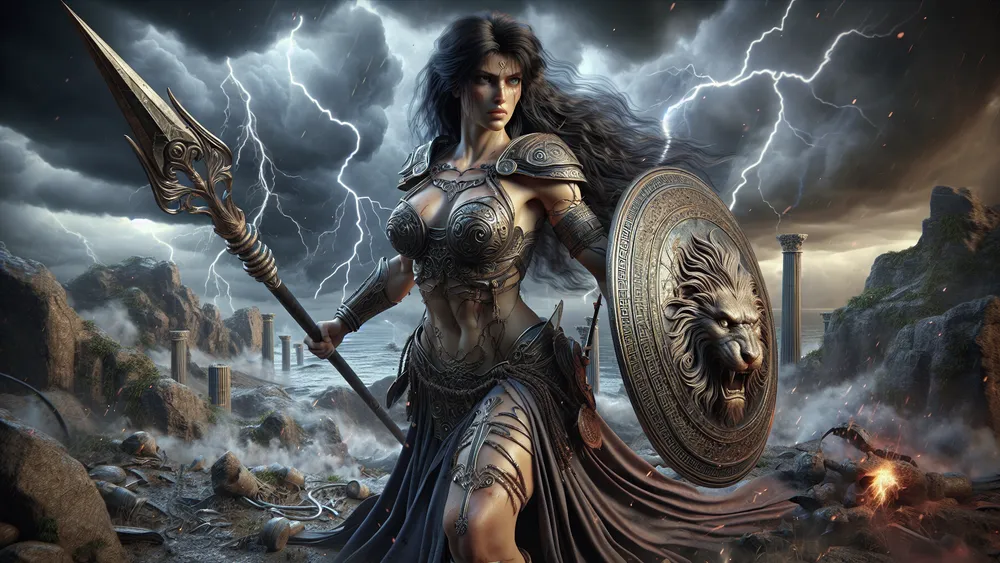
Bia, in Greek mythology, is often recognized as the personification of force and power. She is one of the lesser-known figures among the many deities and spirits that populate ancient Greek lore. Bia is primarily known for her role as a companion to the god Zeus and is frequently associated with the concept of strength. Her character embodies the physical and unyielding aspects of force, standing in contrast to more subtle or cunning forms of power represented by other deities. Her name itself means “force” or “power,” emphasizing her role in the pantheon of Greek mythology.
The Birth and Family of Bia
Bia is often considered the daughter of the primordial deities Nyx (Night) and Erebus (Darkness). This lineage places her within a significant context in Greek mythology, as she is part of the generation of gods and spirits that emerged from the void. Being the offspring of such powerful figures, Bia inherits attributes that reflect their dark and potent nature. Along with her siblings, including Kratos (Strength), Zelos (Zeal), and Nike (Victory), Bia forms a group of personifications that collectively represent various aspects of human experience and natural phenomena.
 Boreads
As a sister to Kratos, Bia’s identity is closely tied to the themes of strength and victory. Their relationship highlights the importance of these qualities in Greek thought, particularly in relation to warfare and competition. While Kratos represents the physical might necessary for conquest, Bia complements this with her embodiment of sheer force, often depicted as an aggressive and unstoppable power. Together, they serve as a reminder of the dual nature of strength, which can be both constructive and destructive.
Bia in Mythological Context
In the broader context of Greek mythology, Bia often appears in stories that involve conflict, particularly those associated with Zeus and the Titanomachy. During this epic battle between the Olympian gods and the Titans, Bia’s strength and ferocity are instrumental in ensuring the victory of Zeus and his allies. She is frequently depicted as a fierce warrior, embodying the unyielding spirit that drives the gods to triumph over their enemies. This depiction emphasizes the importance of force in achieving success, a theme prevalent throughout Greek myth.
One of the most notable instances of Bia’s presence is in the story of the binding of Prometheus. In this tale, Bia, alongside her brother Kratos, is sent by Zeus to capture Prometheus, who had defied the gods by stealing fire for humanity. The two siblings represent the physical manifestation of Zeus’s will, enforcing his authority and punishing those who challenge the divine order. This event illustrates how Bia is not just a symbol of power but also an active participant in the enforcement of justice within the mythological framework.
 Boreas
Symbolism and Representation
Bia is often depicted in art and literature as a fierce and formidable figure. In ancient Greek vase paintings and sculptures, she is portrayed as a strong woman, sometimes wielding weapons or in the company of other powerful deities. Her representation emphasizes her role as a warrior and a force to be reckoned with. The imagery associated with Bia conveys a sense of raw energy and unstoppable momentum, characteristics that resonate with her name and purpose.
In addition to her physical representation, Bia’s symbolism extends to the concepts of determination and willpower. She embodies the drive that pushes individuals to overcome obstacles and achieve their goals. In this sense, Bia serves as an inspiration for those who seek strength in their endeavors, reminding them of the importance of inner power and resilience. Her association with Nike, the goddess of victory, further reinforces this idea, as both deities symbolize the triumph of the human spirit against adversity.
Bia’s Influence in Literature and Culture
Throughout history, Bia has been referenced in various works of literature and art, although her appearances are not as frequent as those of other deities. She has been mentioned in the works of ancient poets like Hesiod and Homer, where her attributes are often linked to the themes of strength and heroism. In these texts, Bia’s character serves to highlight the importance of physical power in the pursuit of glory and success, particularly in the context of war and competition.
 Dionysus
In modern interpretations of Greek mythology, Bia’s character has been revisited and reimagined. Many contemporary authors and artists draw inspiration from her fierce nature and embody her spirit in various forms of storytelling. This resurgence of interest in Bia reflects a broader trend of exploring the roles of lesser-known mythological figures, providing a more comprehensive understanding of the rich tapestry of Greek mythology.
Bia in Popular Culture
In recent years, Bia has found her way into popular culture, appearing in various media forms such as literature, video games, and films. Her character has been reinterpreted in modern storytelling, often emphasizing her strength and warrior-like qualities. For example, in video games that draw on Greek mythology, Bia may be portrayed as a powerful ally or antagonist, showcasing her physical prowess and combat skills.
Additionally, Bia’s influence can be seen in the portrayal of female characters who embody strength and resilience. As society continues to explore themes of female empowerment, Bia serves as a source of inspiration for characters that challenge traditional gender roles. Her fierce nature and determination resonate with audiences, making her a compelling figure in contemporary narratives.
Lessons from Bia’s Character
Bia’s character offers valuable lessons that extend beyond the realm of mythology. One of the key takeaways from her story is the importance of strength in overcoming challenges. In a world that often presents obstacles, Bia reminds us that harnessing our inner power can lead to success. This lesson is particularly relevant in today’s context, where individuals face various forms of adversity, whether personal or societal.
Furthermore, Bia’s embodiment of force can be interpreted as a call to embrace our passions and pursue our goals with determination. Her character encourages individuals to tap into their own potential and strive for greatness, emphasizing that strength is not solely a physical attribute but also a mental and emotional one. By channeling our inner Bia, we can navigate life’s challenges with confidence and resilience.
The Legacy of Bia
While Bia may not be as widely recognized as other figures in Greek mythology, her legacy continues to endure. She serves as a reminder of the multifaceted nature of power and strength, illustrating that these qualities can take many forms. Whether in the context of warfare, personal growth, or the pursuit of justice, Bia’s character resonates with timeless themes that are relevant across cultures and generations.
Bia’s representation in Greek mythology highlights the significance of force and power in both divine and human experiences. Her role as a companion to Zeus and her participation in key mythological events underscore her importance in the pantheon. As society continues to evolve, Bia’s character remains a source of inspiration, encouraging individuals to embrace their strength and pursue their passions with unwavering determination.