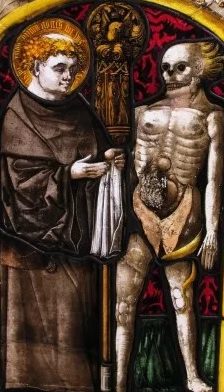
St. Fridolin is a lesser-known figure in Christian mythology, yet his story is significant in the context of early Christianity in Europe. He is particularly venerated in Switzerland and parts of Germany, where his life and deeds have been celebrated for centuries. His legend is intertwined with themes of faith, missionary work, and perseverance. As a missionary, he traveled through various regions, spreading the message of Christianity and establishing communities of believers. His life exemplifies the challenges faced by early Christians and the impact they had on the spread of the faith.
The Life of St. Fridolin
St. Fridolin is believed to have been born in the 6th century, although the exact details of his birth are shrouded in mystery. He is often thought to have originated from the region of Britain or Ireland. His early life is not well-documented, but it is known that he felt a strong calling to serve God and spread Christianity. This calling led him to leave his homeland and embark on a journey that would take him across Europe. Fridolin’s determination to share the Christian faith is a testament to his character and commitment to his beliefs.
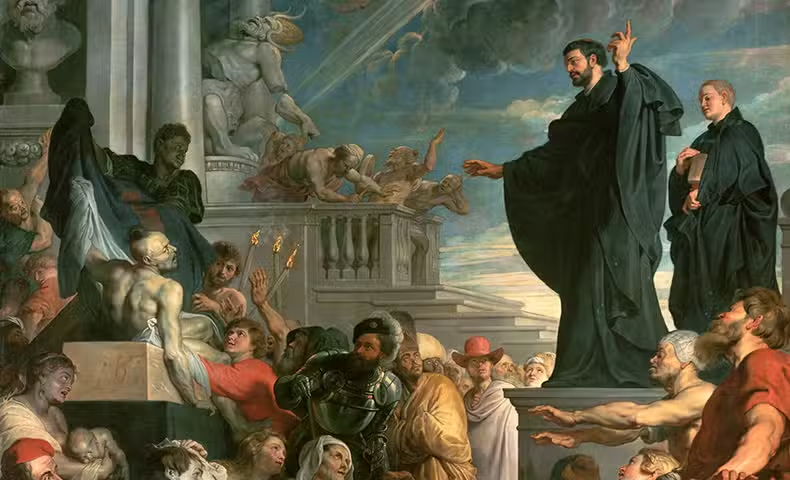 St. Francis Xavier
As he traveled, Fridolin encountered various cultures and peoples. He faced numerous challenges, including hostile environments and skepticism from those who had not yet embraced Christianity. Despite these obstacles, he remained steadfast in his mission. His travels eventually brought him to the region now known as Switzerland, where he began to establish a Christian community. This area was largely pagan at the time, and his efforts to convert the locals were met with both resistance and acceptance.
Missionary Work and Achievements
One of the most notable aspects of St. Fridolin’s life is his missionary work. He is credited with converting many individuals to Christianity and helping to build the foundations of the church in the regions he visited. His approach was often characterized by compassion and understanding, which allowed him to connect with people on a personal level. He did not simply preach dogma; instead, he engaged with the community, shared their struggles, and offered support in times of need.
Fridolin’s missionary efforts led to the establishment of several churches and monasteries. These institutions became vital centers of learning and worship in their communities. The church he founded in Seitenstetten, for instance, became a significant place for both spiritual growth and education. His ability to foster a sense of community among believers was crucial in a time when the Christian faith was still taking root in many areas.
 St. Francis Of Assisi
Key Contributions
- Establishment of Churches: Fridolin founded several churches that served as spiritual hubs for local communities.
- Conversion of Locals: His efforts resulted in many conversions, significantly impacting the region’s religious landscape.
- Community Support: He provided assistance to those in need, fostering goodwill and understanding between Christians and pagans.
Fridolin’s impact on the communities he served was profound. He not only preached the Christian message but also demonstrated its principles through his actions. His life serves as an example of how faith can inspire positive change and foster unity among diverse groups of people. This aspect of his ministry highlights the importance of living out one’s beliefs in practical ways.
Veneration and Legacy
St. Fridolin’s legacy is celebrated through various forms of veneration. In Switzerland, he is particularly honored in the town of Seitenstetten, where a festival is held in his name. This celebration often includes processions, prayers, and communal gatherings, reflecting the strong sense of community that he helped to establish. The local church dedicated to him serves as a reminder of his contributions and the faith he instilled in the people.
His feast day is celebrated on October 6, a day that serves to commemorate his life and achievements. During this time, many churches hold special services and activities to honor St. Fridolin. The significance of this day is not just in remembering his life, but also in recognizing the ongoing impact of his work in spreading Christianity and fostering community.
 St. Francis De Sales
Impact on Local Culture
- Religious Practices: His teachings influenced local religious customs and practices.
- Art and Literature: St. Fridolin has been depicted in various works of art and literature, celebrating his life and mission.
- Community Identity: He became a symbol of local identity, uniting people through shared beliefs.
Beyond religious observances, St. Fridolin’s influence can be seen in local art and literature. Various artists have depicted him in paintings and sculptures, often illustrating key moments from his life. These representations serve not only as a reminder of his contributions but also as an inspiration for future generations. His story continues to resonate, encouraging individuals to live out their faith with dedication and compassion.
Symbolism and Iconography
St. Fridolin is often represented in iconography with specific symbols that highlight his life and mission. One of the most common symbols associated with him is the cross, representing his dedication to spreading Christianity. Additionally, he is sometimes depicted with a staff, symbolizing his role as a shepherd to his flock. These symbols serve as powerful reminders of his commitment to guiding others in their faith journeys.
Another significant element in the iconography of St. Fridolin is the book, which represents knowledge and the teachings of Christ. This symbolizes his role as a teacher and a bearer of the Christian message. The book also highlights the importance of education in the early church, as Fridolin was instrumental in establishing centers of learning within the communities he served.
Common Artistic Representations
- Paintings: Artists have created various paintings depicting scenes from Fridolin’s life.
- Sculptures: Statues of St. Fridolin can be found in many churches and public spaces.
- Stained Glass: Stained glass windows often feature him, illustrating key moments of his ministry.
These artistic representations not only celebrate St. Fridolin’s life but also serve to educate the public about his contributions to Christianity. Through these works, his story continues to inspire faith and devotion among believers, reinforcing the idea that individuals can make a difference in their communities through acts of kindness and service.
St. Fridolin in Modern Christianity
In contemporary Christianity, St. Fridolin’s life and teachings remain relevant. His example of perseverance in the face of challenges resonates with many believers today. His commitment to spreading the Christian message serves as a reminder of the importance of faith and outreach in the modern world. Many churches and communities look to his life as a model for their own missionary efforts, emphasizing the need for compassion and understanding in their interactions with others.
Furthermore, St. Fridolin’s legacy encourages modern Christians to engage with their communities actively. His approach to ministry, which emphasized building relationships and providing support, is a valuable lesson for those seeking to make a positive impact in their neighborhoods. In an age where division and misunderstanding can be prevalent, Fridolin’s example serves as a call to action for believers to embody the principles of love and service.
Modern Celebrations and Observances
- Community Events: Many churches hold events to celebrate his feast day.
- Educational Programs: Some institutions offer programs focusing on his teachings and life.
- Charitable Initiatives: Inspired by his example, various charities engage in community service.
In many regions, celebrations of St. Fridolin’s feast day include community events that bring people together. These gatherings often focus on sharing meals, engaging in prayer, and reflecting on the values he embodied. Educational programs may also be organized, highlighting the importance of his teachings and their application in today’s world. These initiatives not only honor St. Fridolin’s legacy but also promote a sense of unity and purpose among believers.
St. Fridolin’s life and legacy are rich with lessons for both historical and contemporary Christians. His dedication to spreading the message of Christianity, along with his compassionate approach to ministry, continues to inspire individuals and communities alike. Through his story, we are reminded of the power of faith and the importance of serving others, encouraging us to follow in his footsteps as we navigate our own spiritual journeys.