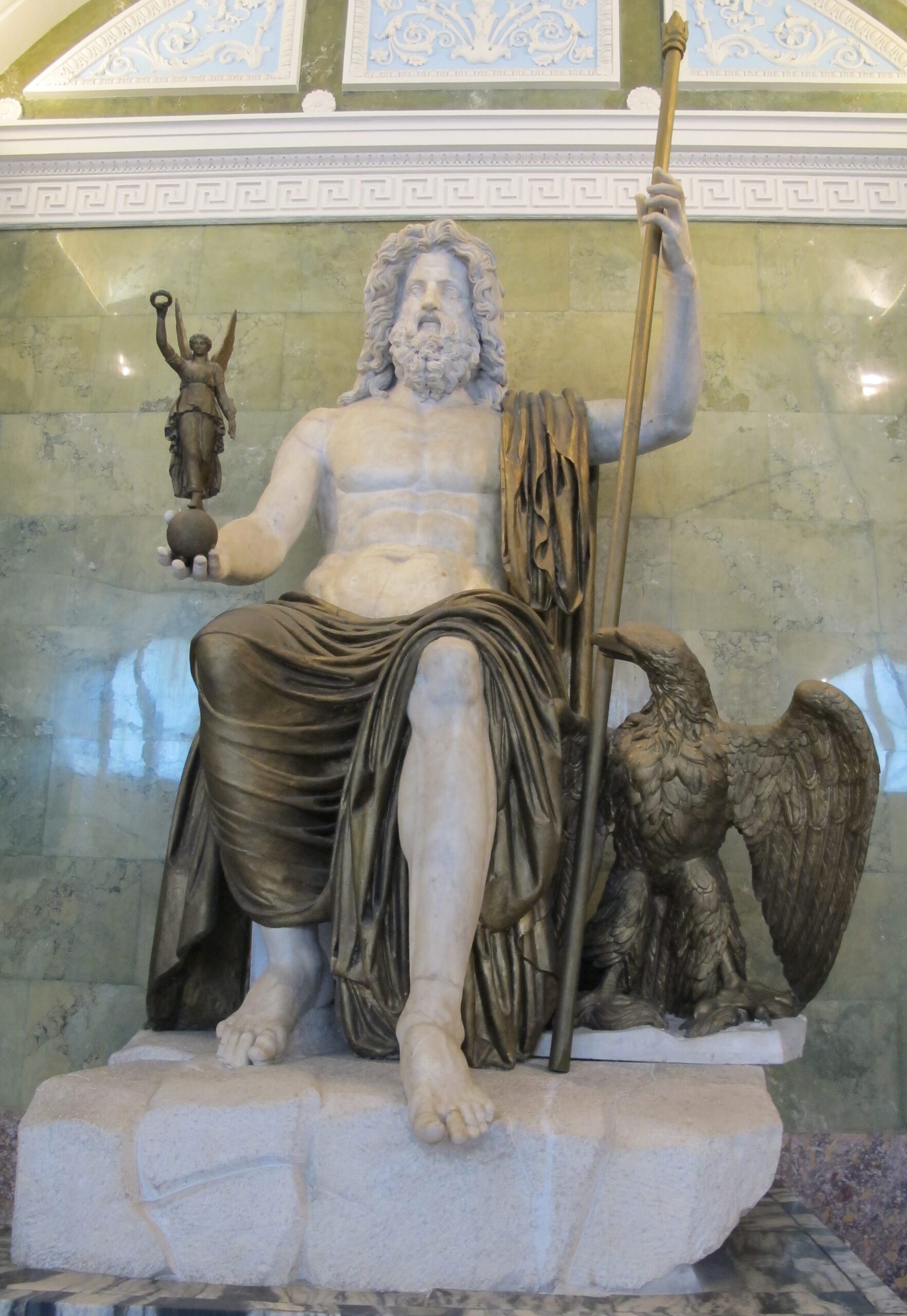
Jupiter, the king of the gods in Roman mythology, is a figure that embodies power, authority, and justice. He is often depicted as a majestic deity who wields a thunderbolt and presides over the sky and thunder. As the Roman equivalent of the Greek god Zeus, Jupiter held a significant place in the hearts and minds of the ancient Romans. His influence extended beyond mere mythology; he was central to Roman religion and culture. The worship of Jupiter was widespread, and many temples were built in his honor, showcasing his importance in Roman society.
Origins of Jupiter
The origins of Jupiter can be traced back to ancient Italic tribes, where he was initially worshipped as a god of the sky. His name derives from the Latin word “Iuppiter,” which is related to the Proto-Indo-European word for “father.” This connection highlights his role as a paternal figure in mythology. Jupiter was often associated with the supreme authority and was considered the protector of the Roman state. His lineage is significant, as he is the son of Saturn and Ops, and he is often depicted as the brother of Neptune and Pluto.
 Pluto
PlutoIn Roman mythology, Jupiter’s rise to power involved a dramatic overthrow of his father, Saturn, who had previously devoured his own children out of fear of being overthrown. However, Jupiter was saved by his mother, Ops, who hid him in a cave on Mount Ida. As he grew older, he rallied his siblings and led a rebellion against Saturn, ultimately defeating him and establishing himself as the ruler of the gods. This mythological narrative emphasizes themes of power, familial loyalty, and the cyclical nature of authority.
Attributes and Symbols of Jupiter
Jupiter is often depicted with various attributes and symbols that signify his divine nature. One of the most recognizable symbols is the thunderbolt, which represents his control over the sky and his ability to enforce justice. The thunderbolt serves as a reminder of his power and authority, and it is frequently depicted in art and sculpture. Additionally, Jupiter is often shown with an eagle, a creature that symbolizes strength and dominance, further emphasizing his status as the king of the gods.
 Dis-pater
Another important symbol associated with Jupiter is the scepter, which represents his kingship and governance. In many artistic representations, Jupiter is shown holding a scepter, signifying his role as a ruler who maintains order in both the divine and mortal realms. Furthermore, the oak tree is sacred to Jupiter, symbolizing strength and endurance. The Romans often sought omens by observing the behavior of oak trees, as they believed these trees were favored by Jupiter.
Worship and Temples
The worship of Jupiter was an integral part of Roman religion. Many temples were dedicated to him, the most famous being the Temple of Jupiter Optimus Maximus on the Capitoline Hill in Rome. This temple was not only a religious center but also a symbol of Roman power and identity. It was here that important rituals and ceremonies took place, including the rituals of victory after military conquests. The temple was adorned with magnificent sculptures and artworks that celebrated Jupiter’s greatness.
In addition to grand temples, the Romans held numerous festivals in honor of Jupiter, such as the Ludi Romani, which included games, theatrical performances, and religious ceremonies. These festivals served to reinforce the connection between Jupiter and the Roman people, reminding them of his role as protector and guardian of the state. The worship of Jupiter was not limited to public ceremonies; private households also paid homage to him through offerings and prayers.
 Disciplina
Jupiter’s Role in Roman Society
Jupiter’s influence extended far beyond mythology and religion; he played a crucial role in shaping Roman society. As the god of law and order, Jupiter was seen as the ultimate arbiter of justice. Roman citizens believed that by honoring Jupiter, they could secure his favor and protection for themselves and their families. His role as a protector of the state meant that leaders often invoked his name in political matters, seeking divine approval for their actions.
The concept of pax deorum, or the peace of the gods, was fundamental to Roman political life. This idea suggested that the well-being of the state depended on the favor of the gods, particularly Jupiter. Roman leaders, including emperors, often aligned themselves with Jupiter to legitimize their authority. Many emperors claimed descent from Jupiter or associated themselves with him to enhance their power and status.
Mythological Tales of Jupiter
Jupiter’s mythology is rich with stories that illustrate his character and the values of Roman society. One of the most famous tales involves his numerous loves and affairs. Jupiter was known for his many romantic escapades, often taking the form of a mortal or another deity to seduce his lovers. This behavior led to a number of significant offspring, including gods, demigods, and heroes. Each of these offspring played important roles in various myths and legends, further expanding Jupiter’s legacy.
One notable story is that of Jupiter and Io, a mortal woman whom he fell in love with. To protect her from the jealousy of his wife, Juno, Jupiter transformed Io into a cow. Despite his efforts, Juno discovered the truth and sent a gadfly to torment Io, leading her on a long journey of suffering. This tale highlights Jupiter’s complex character, as he is both a loving god and a figure who often causes turmoil in the lives of others.
Jupiter in Literature and Art
The legacy of Jupiter extends into literature and art, where he has been a source of inspiration for countless works throughout history. In ancient literature, poets such as Virgil and Ovid depicted Jupiter’s exploits and character in their epic poems. These works not only entertained but also served to reinforce the cultural values associated with Jupiter, such as power, justice, and authority.
In art, Jupiter has been portrayed in various forms, from grand sculptures to intricate paintings. Artists often depicted him with his iconic thunderbolt, surrounded by symbols of power and divinity. The Renaissance saw a resurgence of interest in classical mythology, and Jupiter became a popular subject in the works of artists like Michelangelo and Rubens. These artistic representations contributed to the enduring legacy of Jupiter in Western culture.
Modern Interpretations of Jupiter
Today, Jupiter continues to be a significant figure in popular culture and modern interpretations of mythology. His image appears in various forms of media, including films, television shows, and literature. The themes associated with Jupiter, such as justice, power, and authority, resonate with contemporary audiences and continue to inspire new interpretations of his character.
In addition, the study of Jupiter and Roman mythology has become an essential part of academic discourse. Scholars analyze the stories and symbols associated with Jupiter to understand the cultural and historical context of ancient Rome. This ongoing interest reflects the timeless nature of Jupiter’s character and the values he embodies, making him a relevant figure even in modern society.
Jupiter’s Influence on Astronomy
Interestingly, Jupiter’s influence extends beyond mythology and culture into the realm of astronomy. The planet Jupiter, the largest in our solar system, is named after the Roman god. This connection highlights the enduring legacy of Jupiter in human thought and exploration. The planet has been the subject of numerous scientific studies and missions, such as NASA’s Juno spacecraft, which aims to deepen our understanding of its atmosphere, magnetic field, and potential for supporting life.
Jupiter’s massive size and powerful gravitational pull play a crucial role in shaping the dynamics of our solar system. It is often referred to as a “shield” for Earth, as its gravitational influence helps to deflect asteroids and comets that could potentially collide with our planet. This protective aspect of Jupiter adds another layer to its significance, intertwining mythology with scientific discovery.
Jupiter in Comparative Mythology
Jupiter’s character and stories find parallels in various mythologies around the world. In Greek mythology, his counterpart is Zeus, who shares many of the same attributes, such as being the god of the sky and thunder. The similarities between Jupiter and Zeus illustrate the common themes found in ancient mythologies, including the struggle for power, the importance of justice, and the relationships between gods and mortals.
- Zeus (Greek Mythology) – The king of the Greek gods, known for his thunderbolt and numerous affairs.
- Indra (Hindu Mythology) – The king of the gods in Hinduism, associated with thunder and rain.
- Odin (Norse Mythology) – The chief god in Norse mythology, known for wisdom and war.
These comparative studies reveal the universal themes present in human storytelling, highlighting how different cultures have interpreted similar concepts of divinity and authority. Jupiter’s enduring legacy as a symbol of power and justice continues to resonate across cultures, making him a significant figure in the study of mythology.
The Legacy of Jupiter in Contemporary Culture
The legacy of Jupiter persists in contemporary culture, where his influence can be seen in various forms of entertainment and art. Films and television shows often draw on mythological themes, incorporating characters and stories that echo the tales of Jupiter. For example, modern adaptations of ancient myths frequently depict Jupiter’s character in new and innovative ways, allowing audiences to engage with these timeless narratives.
Moreover, Jupiter’s symbolism is often used in political discourse and branding. The image of Jupiter, with his thunderbolt and regal demeanor, conveys authority and strength, making it a popular choice for institutions and organizations seeking to project power. This enduring connection between Jupiter and authority illustrates the lasting impact of Roman mythology on contemporary society.
Jupiter stands as a central figure in Roman mythology, embodying power, justice, and authority. His stories, symbols, and influence have left an indelible mark on both ancient and modern cultures. Through the worship of Jupiter, the construction of temples, and the celebration of festivals, the Romans demonstrated their reverence for this mighty god. His legacy continues to inspire artistic expressions, literary works, and scientific exploration, making Jupiter a timeless and relevant figure in human history.