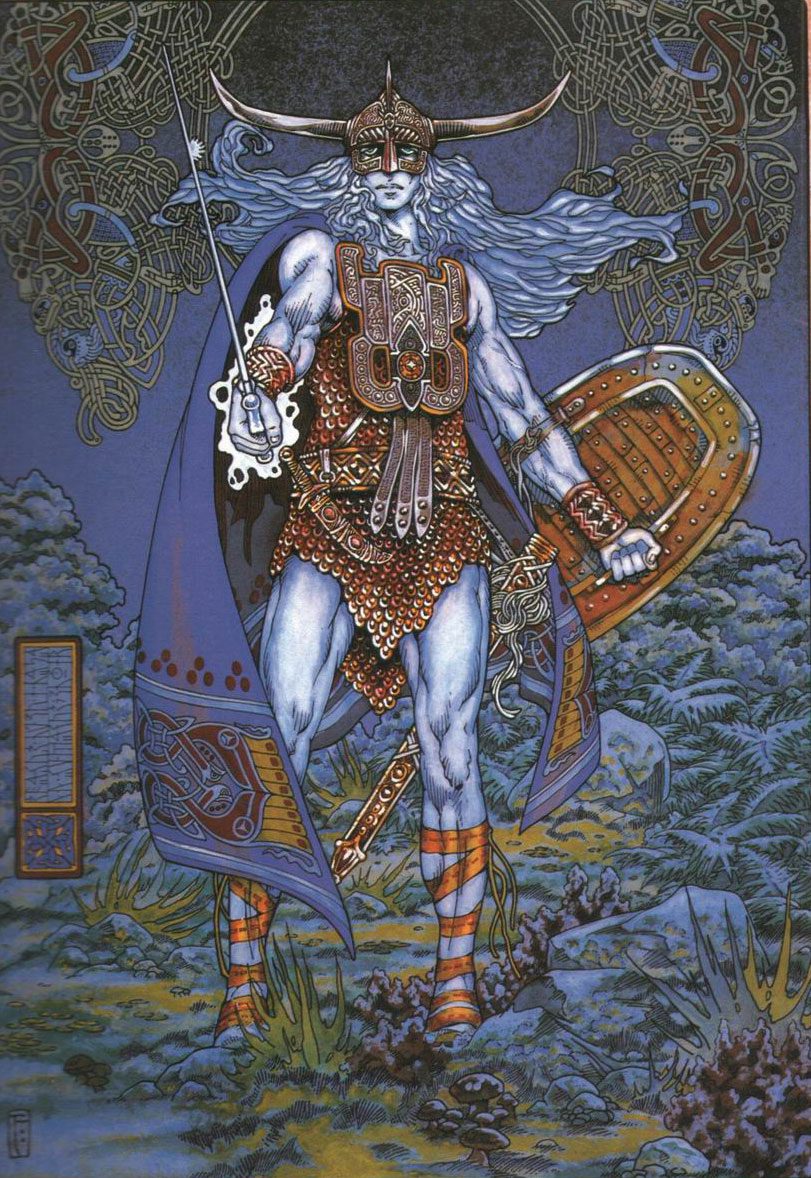
Ainge is a fascinating figure in Irish mythology, representing a rich tapestry of stories and beliefs that have been passed down through generations. As one of the lesser-known characters in the vast realm of Irish folklore, Ainge embodies various themes that resonate deeply with the cultural heritage of Ireland. This article will explore the life, significance, and various interpretations of Ainge in Irish mythology, providing insights into how this character fits into the broader context of mythological narratives.
The Origins of Ainge
The origins of Ainge can be traced back to ancient Irish texts and oral traditions. In these narratives, Ainge is often depicted as a being associated with the otherworld, a mystical realm that exists parallel to the mortal world. This connection to the otherworld is crucial in understanding the role Ainge plays in various myths. The otherworld is typically characterized by its beauty, eternal youth, and abundance, making it a desirable place for many characters in Irish mythology.
 Áine
ÁineIn some stories, Ainge is described as a fairy or a spirit, possessing magical abilities that allow them to interact with humans. These interactions often serve as pivotal moments in the tales, leading to transformations, quests, or moral lessons. The ambiguity surrounding Ainge’s identity adds to the intrigue, as they can be seen as both a helper and a trickster, embodying the dual nature of many mythological figures.
Ainge in Mythological Narratives
Ainge appears in various mythological narratives, each offering a different perspective on their character. In some tales, Ainge is portrayed as a protector of certain sacred places, such as ancient mounds or forests. These locations are often believed to be gateways to the otherworld, and Ainge’s presence signifies the importance of respecting these sites. This role as a guardian highlights the deep connection between the land and the mythological beings that inhabit it.
Another common theme in the stories involving Ainge is the idea of transformation. Many characters who encounter Ainge undergo significant changes, either physically or emotionally. These transformations can symbolize the journey of self-discovery or the consequences of one’s actions. Ainge, in these narratives, serves as a catalyst for change, pushing characters to confront their fears, desires, or shortcomings.
 Aimend
Common Themes Associated with Ainge
- Duality: Ainge embodies both benevolence and mischief.
- Transformation: Encounters with Ainge often lead to personal change.
- Connection to Nature: Ainge is associated with sacred sites and natural landscapes.
The duality of Ainge’s character is particularly noteworthy. In some stories, Ainge is a kind and helpful figure, guiding lost souls or assisting heroes on their quests. In contrast, other tales depict Ainge as a trickster, playing pranks or leading characters astray. This duality reflects the complex nature of the world in which these myths were created, where good and evil are often intertwined.
The Role of Ainge in Irish Folklore
Ainge’s role in Irish folklore extends beyond mere storytelling; they serve as a representation of the values and beliefs held by ancient Irish communities. Folklore often reflects the cultural and societal norms of a particular time, and Ainge embodies many of these ideals. For instance, the respect for nature and the belief in the supernatural are prevalent themes in stories involving Ainge.
 Aillinn
Furthermore, Ainge’s interactions with humans often carry moral lessons. These tales emphasize the importance of humility, respect for the environment, and the consequences of one’s actions. Through Ainge’s guidance or mischief, characters learn valuable lessons that resonate with the audience, reinforcing the cultural values of the time.
Ainge and the Otherworld
The concept of the otherworld is central to many stories involving Ainge. This mystical realm is often depicted as a place of beauty and wonder, where time does not flow as it does in the mortal world. Ainge, as a being connected to this otherworld, serves as a bridge between the two realms. Their presence in the mortal world signifies the thin veil that separates the ordinary from the extraordinary.
In many narratives, characters who venture into the otherworld with Ainge experience a sense of timelessness and enchantment. However, these encounters often come with warnings. Characters may be tempted to stay in the otherworld forever, losing their connection to the human experience. This theme serves as a reminder of the importance of balance between the material and spiritual worlds.
Modern Interpretations of Ainge
In contemporary culture, Ainge’s character has been reinterpreted in various ways. As interest in Irish mythology has grown, Ainge has found a place in literature, art, and popular media. Modern adaptations often highlight Ainge’s duality, portraying them as a complex character who navigates the fine line between good and evil. This reinterpretation allows for a deeper exploration of the themes associated with Ainge, making them relevant to today’s audience.
Moreover, Ainge’s connection to nature and the otherworld resonates with modern environmental movements. Many contemporary interpretations emphasize the importance of respecting the earth and recognizing the spiritual dimensions of nature. Ainge, in this context, becomes a symbol of the need for harmony between humanity and the natural world.
Influence on Literature and Art
- Literature: Ainge has inspired numerous authors to explore themes of transformation and duality.
- Art: Artists depict Ainge in various forms, often highlighting their mystical qualities.
- Film and Media: Ainge’s character has appeared in modern adaptations, showcasing their relevance today.
As a character, Ainge continues to inspire writers and artists who seek to capture the essence of Irish mythology. Their stories provide a rich source of material for exploring themes that are timeless and universal. The ongoing fascination with Ainge reflects the enduring power of myth and its ability to adapt to the changing cultural landscape.
The Cultural Significance of Ainge
Ainge’s significance extends beyond individual stories; they represent a broader cultural narrative that speaks to the identity of the Irish people. Myths and legends like those of Ainge help to shape a sense of community and belonging. They connect individuals to their heritage, offering a glimpse into the values and beliefs of their ancestors.
Moreover, Ainge’s character embodies the resilience of Irish mythology in the face of change. Despite the challenges posed by modernization and globalization, the stories of Ainge and other mythological figures continue to thrive. This resilience highlights the importance of preserving cultural narratives and the role they play in maintaining a sense of identity.
As we delve into the world of Irish mythology, Ainge stands out as a character rich in complexity and significance. Their stories, woven into the fabric of Irish folklore, offer valuable insights into the human experience and the cultural values of ancient Ireland. Ainge’s connection to the otherworld, their role as a protector, and their embodiment of transformation serve as powerful reminders of the enduring nature of myth and its relevance in our lives today.