
In the rich tapestry of Irish mythology, the figure of Nuada stands out as one of the most fascinating characters. Known as the king of the Tuatha Dé Danann, Nuada is a symbol of leadership, strength, and the complexities of fate. His story intertwines with themes of war, loss, and redemption, making him a pivotal figure in the ancient tales of Ireland. Nuada’s narrative not only reflects the values and beliefs of the Celtic people but also serves as a window into the world of mythological beings who shaped the land and its history.
Nuada’s Origins
Nuada is often depicted as a majestic and powerful warrior, embodying the qualities of a great leader. According to legend, he was born into the Tuatha Dé Danann, a race of divine beings who descended from the sky. This group was known for their magical abilities and their deep connection to the land. As the son of Elatha, a prince of the Fomorians, Nuada inherited not only his father’s royal blood but also the responsibilities that came with it. His lineage plays a significant role in shaping his character and destiny throughout various tales.
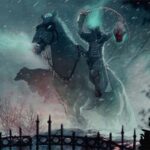 Arca Dubh
As a young leader, Nuada was known for his exceptional skills in battle and his unwavering commitment to his people. His rule began when the Tuatha Dé Danann arrived in Ireland, where they faced the formidable Fomorians, a race of giants often depicted as the enemies of the Tuatha. Nuada’s leadership was critical during this time, as he united the tribes and prepared them for the battles that lay ahead. His strategic mind and valor on the battlefield earned him the respect and admiration of his people, solidifying his position as their king.
The Sword of Nuada
One of the most famous artifacts associated with Nuada is his legendary sword, known as the Sword of Nuada or the Sword of Light. This weapon was said to possess magical properties, allowing its wielder to conquer any foe. The sword was a symbol of Nuada’s authority and strength, representing his role as the protector of the Tuatha Dé Danann. It was believed that no one could escape its wrath, and it was often described as a tool of justice.
The significance of the sword extends beyond mere physical power; it embodies the principles of honor and righteousness. In many tales, the sword is not just a weapon but a reflection of Nuada’s moral compass. It served as a reminder to the Tuatha that their king was not only a warrior but also a guardian of their values and beliefs. The sword’s presence in the stories emphasizes the importance of leadership and the weight of responsibility that comes with power.
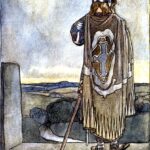 Anluan
Nuada’s Hand and Transformation
Nuada’s story takes a dramatic turn when he loses his hand in battle against the Fomorians. This loss symbolizes a significant change in his character and his reign. In ancient Irish culture, a king was expected to be physically perfect; any imperfection could disqualify him from leadership. After losing his hand, Nuada was faced with a crisis of identity and power. His injury led to his temporary replacement by Bres, a half-Fomorian who ruled the Tuatha Dé Danann with a heavy hand.
However, Nuada’s tale does not end in despair. With the help of the healer Goibniu, he received a magical silver hand that restored his ability to lead. This miraculous transformation allowed Nuada to reclaim his throne and return to his people. The silver hand represents not only his resilience but also the theme of rebirth and renewal that runs through many myths. Nuada’s journey from loss to recovery highlights the idea that true strength lies in one’s ability to adapt and overcome adversity.
Nuada’s Role in the Tuatha Dé Danann
As the king of the Tuatha Dé Danann, Nuada played a crucial role in the governance and protection of his people. He was not only a warrior but also a wise ruler who sought to maintain peace and prosperity. His leadership style was characterized by a deep sense of justice and fairness, qualities that endeared him to his subjects. Nuada’s reign was marked by significant events, including the famous Battle of Mag Tuired, where the Tuatha Dé Danann faced the Fomorians in a struggle for supremacy.
 Danu
DanuDuring the Battle of Mag Tuired, Nuada demonstrated his prowess as a warrior and strategist. His presence on the battlefield inspired his warriors, and his tactical decisions were pivotal in securing victory for the Tuatha. The battle itself was a turning point in Irish mythology, showcasing the eternal struggle between light and darkness, order and chaos. Nuada’s leadership during this conflict solidified his legacy as a hero and protector of his people.
Nuada and the Otherworld
In Irish mythology, the concept of the Otherworld is significant, and Nuada’s connection to this realm is profound. The Otherworld is often depicted as a place of beauty, abundance, and eternal youth, accessible only to those who possess certain qualities or fulfill specific criteria. As a king of the Tuatha Dé Danann, Nuada is closely linked to this mystical realm, often acting as a bridge between the mortal world and the Otherworld.
Legends suggest that Nuada had the ability to communicate with the deities and spirits of the Otherworld, allowing him to seek guidance and wisdom. This connection further emphasizes his role as a leader who understood the importance of balance between the two worlds. The Tuatha Dé Danann were known to possess extraordinary abilities, and Nuada’s relationship with the Otherworld highlights the belief in a realm where magic and reality coexist.
The Legacy of Nuada
Nuada’s legacy extends beyond his time as king of the Tuatha Dé Danann. His stories have been passed down through generations, influencing Irish culture, literature, and art. Many contemporary works continue to draw inspiration from his character, illustrating the enduring nature of his myth. Nuada’s narrative serves as a reminder of the values that were important to the ancient Celts, such as bravery, loyalty, and the pursuit of justice.
In modern interpretations, Nuada is often portrayed as a complex figure who embodies both the hero and the tragic character. His struggles and triumphs resonate with audiences, making him a relatable and compelling figure. As scholars and enthusiasts explore Irish mythology, Nuada remains a focal point for understanding the deeper meanings embedded in these ancient stories. His tale is not just about the battles fought but also about the lessons learned along the way.
Nuada in Popular Culture
In recent years, Nuada has made appearances in various forms of popular culture, including literature, film, and video games. These adaptations often reinterpret his character, introducing him to new audiences while maintaining the essence of his mythological roots. For example, Nuada appears in graphic novels and fantasy series, where his warrior spirit and leadership qualities are celebrated. Such portrayals help to keep the myth alive and relevant in contemporary society.
Furthermore, the fascination with Nuada has led to a resurgence of interest in Celtic mythology as a whole. Many people are drawn to the rich narratives and complex characters that populate these ancient tales. As a result, Nuada’s legacy continues to inspire writers, artists, and creators, fostering a deeper appreciation for the cultural heritage of Ireland.
The Symbolism of Nuada
Nuada’s character is rich with symbolism, representing various aspects of human experience. His journey from loss to redemption highlights the importance of resilience and the ability to adapt to change. The silver hand serves as a powerful symbol of transformation, illustrating that even in moments of vulnerability, strength can emerge. This duality in Nuada’s character reflects the complexities of life, where challenges often lead to growth and self-discovery.
Moreover, Nuada embodies the ideals of leadership and responsibility. As a king, he represents the qualities that are essential for effective governance: wisdom, courage, and a commitment to justice. His story encourages reflection on the nature of power and the ethical considerations that come with it. In many ways, Nuada’s narrative serves as a guide for those in positions of authority, reminding them of the importance of serving their people with integrity and compassion.
As a central figure in Irish mythology, Nuada’s story is one of bravery, transformation, and the enduring nature of the human spirit. His legacy continues to resonate with audiences today, serving as a reminder of the rich cultural heritage of Ireland. Through his tale, we learn about the values that shaped ancient societies and the timeless lessons that still hold relevance in our lives. Nuada’s journey is not just a myth; it is a reflection of the complexities of existence and the pursuit of meaning in a world filled with challenges and opportunities.