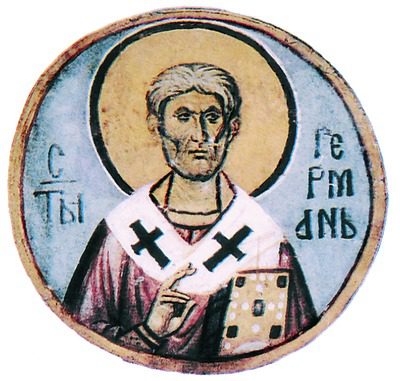
St. Germanus I, an important figure in Christian mythology, is best known for his role as the Bishop of Paris and his contributions to the early Church. He lived during the 6th century and was a key player in the spread of Christianity in Gaul. His life and works are celebrated by many, and his legacy continues to influence Christian thought today. This article delves into the life, miracles, and contributions of St. Germanus I, providing a comprehensive overview of his significance in Christian mythology.
The Early Life of St. Germanus I
St. Germanus I was born around the year 496 in the region that is now known as France. His family was of noble descent, which allowed him to receive a good education. From a young age, he showed a deep interest in spiritual matters and dedicated his life to serving God. This early commitment to the faith would shape his future and lead him to become a prominent figure in the Church. His education included studying the scriptures, philosophy, and theology, laying a strong foundation for his future role as a leader in the Christian community.
 St. Germaine Cousin
After completing his studies, Germanus chose to enter a monastery, where he embraced a life of asceticism and prayer. His time in the monastery was marked by rigorous discipline and a commitment to living according to Christian principles. He became known for his piety and dedication, attracting the attention of many who admired his spiritual depth. It was during this time that he developed a strong sense of mission, feeling called to spread the teachings of Christ beyond the walls of the monastery.
The Rise to Bishopric
St. Germanus I’s reputation as a holy man and a dedicated servant of God eventually led to his appointment as the Bishop of Paris around the year 555. This was a significant position, as Paris was a major center of political and cultural life in Gaul. As Bishop, Germanus faced numerous challenges, including the need to address the spiritual needs of a diverse population. He worked tirelessly to promote the Christian faith, often engaging in debates and discussions with those who adhered to pagan beliefs.
One of his key initiatives as bishop was the establishment of schools for the education of clergy and laypeople alike. He understood that knowledge was essential for the growth of the Church and the spiritual development of the community. These schools became centers of learning, where students were taught not only the scriptures but also the importance of living a moral and virtuous life. His efforts in education helped to lay the groundwork for a more educated clergy, which was crucial for the future of the Church.
 St. Germain Of Paris
Miracles and Legends
St. Germanus I is often associated with numerous miracles that he is said to have performed during his lifetime. These miracles contributed to his reputation as a saint and helped to solidify his place in Christian mythology. One of the most famous legends involves his encounter with a serpent that had been terrorizing the local population. According to the story, Germanus prayed fervently, and the serpent miraculously disappeared, bringing peace to the area. This event was seen as a sign of his divine favor and strengthened the faith of those who witnessed it.
Another notable miracle attributed to St. Germanus I is the healing of a blind man. The man had been blind for many years, and his condition seemed hopeless. When Germanus visited him, he prayed and laid his hands on the man’s eyes. To everyone’s astonishment, the blind man regained his sight. This miracle spread rapidly, further enhancing Germanus’s reputation as a holy man endowed with the power to perform miraculous acts through his faith.
St. Germanus I and the Spread of Christianity
St. Germanus I played a crucial role in the spread of Christianity throughout Gaul. His commitment to evangelization led him to travel extensively, preaching the Gospel in various towns and villages. He understood the importance of reaching out to the people and sharing the message of Christ in a way that was accessible and relatable. Germanus’s travels allowed him to connect with diverse communities, fostering a sense of unity among believers.
 St. Gerard Sagredo
In addition to his preaching, Germanus worked to establish churches and monasteries in the regions he visited. He believed that having a physical space for worship and community gathering was essential for nurturing the faith. These churches served as beacons of hope and centers of spiritual growth for the local populations. His efforts were instrumental in laying the foundation for a strong Christian presence in Gaul, which would continue to grow in the centuries to come.
St. Germanus I in Christian Art and Literature
The life and legacy of St. Germanus I have been celebrated in various forms of art and literature. Many artists throughout history have depicted him in paintings, sculptures, and stained glass windows, highlighting his role as a bishop and miracle worker. These artistic representations often emphasize his piety and connection to the divine, serving as a source of inspiration for the faithful. In literature, his life has been chronicled in hagiographies, which detail his miraculous acts and contributions to the Church.
One of the most notable works about St. Germanus is the “Life of St. Germanus,” written by a contemporary or near-contemporary author. This text provides valuable insights into his life, teachings, and the context in which he lived. It serves not only as a historical account but also as a source of spiritual inspiration for readers seeking to deepen their understanding of the Christian faith. The enduring popularity of these works reflects the lasting impact of Germanus on Christian thought and devotion.
Feast Day and Veneration
The feast day of St. Germanus I is celebrated on May 28th each year. On this day, Christians around the world honor his memory and contributions to the Church. The celebrations often include special masses, prayers, and reflections on his life and teachings. Many churches dedicated to St. Germanus hold special services, allowing the faithful to come together in community and express their devotion. This annual observance serves as a reminder of the importance of living a life of faith and service.
St. Germanus I is venerated not only in France but also in various parts of Europe. His influence can be seen in the naming of churches, schools, and even cities in his honor. The continued devotion to St. Germanus reflects the profound impact he had on the Christian community and the lasting legacy of his teachings. His life serves as a model for those seeking to live a life dedicated to God and service to others.
Conclusion: The Enduring Legacy of St. Germanus I
St. Germanus I remains a significant figure in Christian mythology, embodying the values of faith, dedication, and service. His life and works continue to inspire countless individuals on their spiritual journeys. As a bishop, he played a crucial role in the establishment and growth of Christianity in Gaul, leaving behind a legacy that endures to this day. Through his miracles, teachings, and commitment to spreading the Gospel, St. Germanus I exemplifies the transformative power of faith and the importance of community in the Christian tradition.