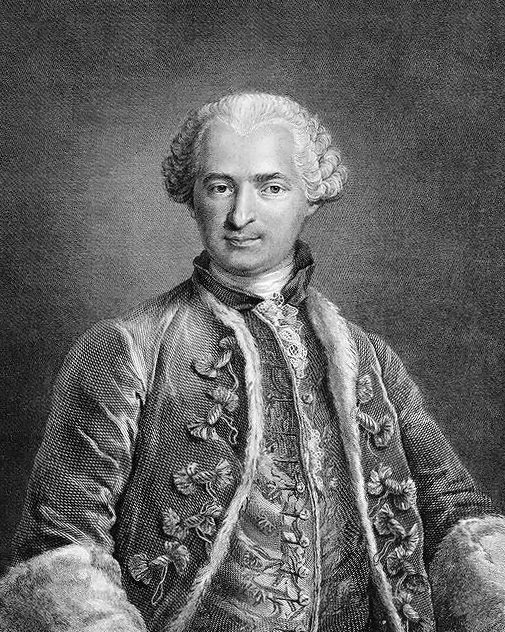
St. Germain of Paris is a figure steeped in Christian mythology and history. Known for his enigmatic presence and profound wisdom, he has captured the imagination of many throughout the centuries. Often associated with the mystical and the spiritual, St. Germain is believed to have played a significant role in the development of Christian thought during the early medieval period. His life and teachings are often seen as a bridge between the earthly and the divine, reflecting a deep understanding of the human condition and the divine purpose.
Historical Background
The historical figure of St. Germain is believed to have lived during the 6th century. He is often described as a bishop of Paris, although the exact details of his life remain somewhat obscure. According to various accounts, St. Germain was born into a noble family, which provided him with the means to pursue a life dedicated to God. His early years were marked by a strong inclination toward spirituality and a desire to serve others, traits that would define his later ministry.
 St. Gerard Sagredo
St. Germain’s role as a bishop was crucial during a time of significant upheaval in Europe. The fall of the Roman Empire had led to widespread instability, and the Christian church was emerging as a stabilizing force in society. St. Germain’s leadership in Paris helped to guide the faithful through these turbulent times. He is often credited with promoting the Christian faith and fostering a sense of community among believers, which was essential for the survival of the church.
Spiritual Teachings
St. Germain’s teachings encompass a wide range of spiritual themes, many of which continue to resonate with individuals seeking a deeper understanding of their faith. One of the central tenets of his philosophy is the importance of charity and compassion. He emphasized that true faith is demonstrated through acts of kindness and service to others. This message was particularly relevant during a time when many were suffering from poverty and hardship.
Another significant aspect of St. Germain’s teachings is the concept of divine love. He believed that God’s love is all-encompassing and that it should be reflected in the lives of believers. This idea encouraged his followers to cultivate a personal relationship with God, fostering a sense of intimacy and connection that transcends mere religious ritual. St. Germain’s emphasis on love as a guiding principle continues to inspire many Christians today.
 St. Gerard Majella
Key Teachings of St. Germain
- Charity and Compassion: The importance of serving others and showing kindness.
- Divine Love: The need for a personal relationship with God.
- Faith and Action: The belief that true faith is expressed through actions.
St. Germain also spoke about the significance of forgiveness. He taught that holding onto grudges can hinder one’s spiritual growth and that forgiving others is essential for healing. This message of forgiveness is a cornerstone of Christian teaching and serves as a reminder of the importance of mercy in our lives. St. Germain’s insights into forgiveness resonate deeply, encouraging individuals to let go of past hurts and embrace a more peaceful existence.
Miracles and Legends
The life of St. Germain is also marked by numerous miracles and legends that have contributed to his lasting legacy. Many stories recount instances of his ability to heal the sick and perform other miraculous acts. These miracles served to reinforce his status as a holy man and attracted many followers. They also illustrated the belief that divine power can work through individuals who are fully committed to their faith.
One of the most famous legends surrounding St. Germain involves his miraculous intervention during a time of famine in Paris. According to the story, he prayed fervently for relief, and soon after, a supply of food arrived, saving countless lives. This event not only demonstrated his deep connection to God but also highlighted the power of prayer and faith in times of crisis. Such stories continue to inspire believers, emphasizing the idea that faith can lead to miraculous outcomes.
 Jehovah
Miraculous Events Associated with St. Germain
- Healing the Sick: Numerous accounts of miraculous healings attributed to his prayers.
- Food Supply During Famine: A legendary event where he prayed for food during a time of need.
- Protection of the Faithful: Stories of his protection over the people of Paris during conflicts.
Another notable miracle attributed to St. Germain involves his role in protecting the city of Paris from invaders. It is said that during a critical moment, he appeared on the battlefield, inspiring the soldiers to fight bravely. This story illustrates not only his spiritual authority but also his deep love for his city and its people. Such legends have solidified his status as a protector and guardian figure within Christian mythology.
Cultural Impact
The influence of St. Germain extends beyond the realm of spirituality and into the cultural fabric of Paris and beyond. His legacy can be seen in various artworks, literature, and even architecture that celebrate his life and teachings. Churches and monuments dedicated to him can be found throughout Paris, serving as a testament to his enduring impact on the city and its inhabitants.
Many artists have sought to capture the essence of St. Germain in their works. Paintings and sculptures often depict him in moments of prayer or performing miracles, illustrating his connection to the divine. These artistic representations not only honor his legacy but also serve to inspire future generations to explore their own spiritual journeys.
Art and Literature Inspired by St. Germain
- Paintings: Artists have depicted his miracles and life events.
- Sculptures: Statues commemorating his role as a protector and healer.
- Literature: Various texts explore his teachings and impact on Christian thought.
In literature, St. Germain’s life and teachings have inspired numerous authors to explore themes of faith, love, and sacrifice. His story serves as a reminder of the potential for greatness within each individual when guided by a strong moral compass and a commitment to serving others. These narratives often resonate with readers, encouraging them to reflect on their own lives and the impact they can have on the world around them.
St. Germain in Modern Spirituality
In recent years, the figure of St. Germain has experienced a resurgence in interest, particularly within modern spiritual movements. Many individuals are drawn to his teachings on love, compassion, and forgiveness, finding them relevant in today’s world. Various spiritual communities have adopted his messages, incorporating them into their practices and teachings. This renewed interest reflects a broader trend of seeking spiritual guidance that transcends traditional religious boundaries.
St. Germain’s emphasis on personal connection with the divine resonates with many who are exploring their spirituality outside of established religious institutions. His teachings encourage individuals to cultivate their own relationships with God, promoting a sense of empowerment and personal responsibility. This approach aligns with contemporary spiritual practices that prioritize individual experience and introspection.
Modern Interpretations of St. Germain’s Teachings
- Emphasis on Personal Connection: Encouraging individuals to seek their own relationship with the divine.
- Focus on Compassion: Highlighting the importance of love and service in everyday life.
- Integration into Spiritual Practices: Incorporating his teachings into modern spiritual rituals.
Additionally, St. Germain’s teachings on forgiveness and healing have become particularly relevant in discussions surrounding mental health and emotional well-being. Many people are recognizing the importance of letting go of past grievances and embracing a more compassionate approach to themselves and others. This alignment with contemporary issues showcases the timeless nature of St. Germain’s wisdom.
St. Germain and Interfaith Dialogue
As the world becomes increasingly interconnected, figures like St. Germain serve as important symbols for interfaith dialogue. His teachings on love and compassion resonate across various religious traditions, making him a unifying figure in discussions about faith and spirituality. Many people from different backgrounds find common ground in his messages, which emphasize the importance of understanding and respecting one another.
Interfaith initiatives that incorporate St. Germain’s teachings often focus on building bridges between communities. By highlighting shared values such as love, compassion, and service, these dialogues foster a greater sense of unity among diverse groups. St. Germain’s life serves as a reminder that despite our differences, we can work together toward common goals that benefit humanity as a whole.
Benefits of Interfaith Dialogue
- Fostering Understanding: Encouraging respect for different beliefs and practices.
- Building Community: Creating connections between diverse groups.
- Promoting Peace: Working together to address common challenges.
Moreover, St. Germain’s emphasis on compassion and service can inspire interfaith groups to engage in community service projects. By working together on initiatives that benefit those in need, individuals from different faith backgrounds can create meaningful connections and demonstrate the power of collective action. These experiences often lead to deeper understanding and appreciation for one another’s traditions and beliefs.
St. Germain of Paris remains a significant figure in Christian mythology, with teachings that resonate across time and cultures. His emphasis on love, compassion, and forgiveness continues to inspire individuals seeking a deeper understanding of their faith. Through his life and miracles, St. Germain serves as a reminder of the transformative power of spirituality and the importance of serving others. As we explore his teachings and legacy, we are encouraged to reflect on our own lives and the impact we can have on the world around us.