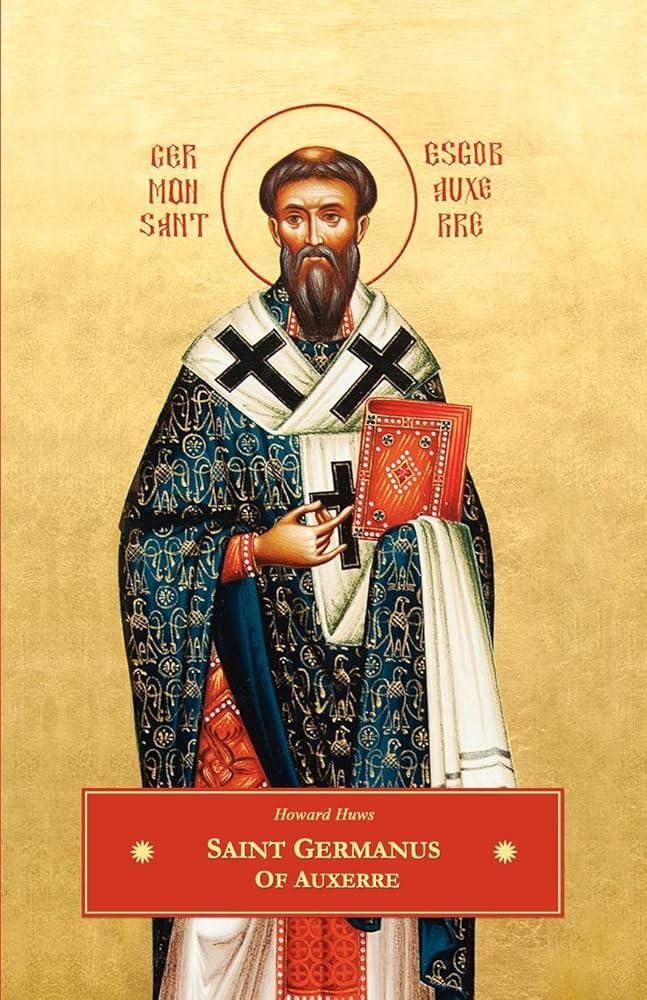
St. Germanus of Auxerre was a prominent figure in early Christian history, recognized for his significant contributions to the spread of Christianity in Gaul, modern-day France. He was born around the year 378 in the region of Auxerre, and his life is marked by numerous miracles and acts of devotion. Germanus is often remembered for his deep faith, unwavering commitment to his mission, and his role in the establishment of ecclesiastical order in a time of great turmoil and uncertainty. His legacy continues to inspire many, making him an important figure in Christian mythology.
The Early Life of St. Germanus
St. Germanus was born into a noble family, which afforded him a good education and a life of privilege. Despite his comfortable beginnings, he felt a calling to a higher purpose. From a young age, he displayed a deep interest in the Christian faith, which was still in its formative years in the region. His education was influenced by the teachings of the Church, and he was known for his intelligence and piety. Germanus eventually chose to leave his secular life behind to pursue a monastic lifestyle, dedicating himself to prayer and study.
 St. Germanus I
Germanus joined a monastic community where he honed his spiritual practices and learned from other monks. This period of his life was crucial as it laid the foundation for his future work as a bishop and missionary. His deep understanding of Christian doctrine and his ability to communicate effectively would later help him in his missionary journeys. The time spent in monasticism also strengthened his resolve to serve God and spread the message of Christianity among the pagan populations of Gaul.
Becoming a Bishop
In 418, St. Germanus was appointed as the Bishop of Auxerre. This was a significant milestone in his life, marking the beginning of his public ministry. As a bishop, he was tasked with overseeing the spiritual well-being of his diocese and guiding the faithful. He was known for his compassion and dedication to the Church, often visiting the sick and the poor. His pastoral care extended beyond his immediate community, as he traveled extensively to spread the teachings of Christ.
St. Germanus faced many challenges during his tenure as bishop. The region was still grappling with paganism, and he encountered resistance from those who were not yet ready to embrace Christianity. However, he approached these challenges with a spirit of perseverance and understanding. He organized catechetical schools to educate new converts and strengthen the faith of existing Christians. His efforts were instrumental in converting many pagans, thereby expanding the reach of Christianity in Gaul.
 St. Germaine Cousin
Missionary Journeys
One of the most notable aspects of St. Germanus’s life was his commitment to missionary work. He undertook several journeys to spread the Gospel, often traveling to regions that were resistant to Christianity. His most famous mission took him to Britain, where he played a crucial role in supporting the Christian communities there. His journey to Britain is often celebrated as a turning point for the spread of Christianity in the region.
- St. Germanus traveled to Britain around 429.
- He was invited to help combat the Pelagian heresy that was gaining traction.
- During his time in Britain, he established strong relationships with local leaders.
- He is credited with performing several miracles, which helped to strengthen the faith of the people.
Upon arriving in Britain, St. Germanus found a Christian community that was struggling against the Pelagian heresy, which denied the necessity of divine grace for salvation. He delivered powerful sermons that emphasized the importance of grace and the role of Christ in salvation. His teachings resonated with the people, and many were inspired to return to orthodox beliefs. Through his efforts, he was able to restore unity and strengthen the Christian faith in the region.
Miracles and Legends
St. Germanus is often associated with various miracles and legends that highlight his holiness and divine favor. These stories have been passed down through generations and are a testament to his enduring legacy. One of the most famous miracles attributed to him is the miracle of the loaves, where he is said to have multiplied bread to feed a large crowd. This event not only showcased his compassion for the needy but also demonstrated the power of faith in action.
 St. Germain Of Paris
Another well-known legend involves a confrontation with a dragon. According to the story, St. Germanus encountered a fearsome dragon that was terrorizing a local village. Rather than fleeing in fear, he confronted the beast with faith and courage. The dragon was miraculously subdued, and the villagers were saved. This story symbolizes the triumph of good over evil and serves as an inspiration for many who face their own challenges in life.
Theological Contributions
St. Germanus made significant theological contributions during his lifetime. He was a staunch defender of orthodox Christianity, and his writings reflect a deep understanding of Christian doctrine. His works often focused on the nature of God, the importance of grace, and the role of the Church in salvation. These writings have had a lasting impact on Christian thought and continue to be studied by theologians today.
One of his most notable theological contributions was his opposition to the Pelagian heresy. He argued that human beings could not achieve salvation through their own efforts alone but required divine grace. This understanding of grace became a foundational aspect of Christian theology. St. Germanus’s commitment to defending the faith and educating others played a crucial role in shaping the beliefs of early Christians.
Death and Legacy
St. Germanus passed away on July 31, 448. His death marked the end of a remarkable life dedicated to serving God and spreading the Christian faith. After his death, he was venerated as a saint, and his feast day is celebrated annually. His contributions to the Church and his missionary efforts have left a lasting legacy that continues to inspire Christians around the world.
Numerous churches and institutions have been dedicated to St. Germanus in recognition of his significant role in the history of Christianity. His life serves as a model of faith, perseverance, and dedication to God’s work. Many Christians look to his example as they seek to live out their own faith in their communities. The impact of St. Germanus can still be felt today, as his teachings and miracles continue to resonate with believers.
Cultural Impact
The influence of St. Germanus extends beyond religious circles; he has also made a mark on culture and literature. His life and deeds have inspired countless works of art, including paintings, sculptures, and literature. Many artists have sought to capture his spirit and the miracles attributed to him, contributing to the rich tapestry of Christian art and iconography.
In addition to art, St. Germanus’s life has been a source of inspiration for various literary works. His stories of courage and faith have been retold in numerous books and poems, reflecting the enduring nature of his legacy. Through these artistic expressions, the lessons of his life continue to be shared with new generations, ensuring that his message remains relevant.
Conclusion of His Life’s Journey
St. Germanus of Auxerre’s journey is a powerful testament to the impact one individual can have on the world. His dedication to his faith, his missionary work, and his theological contributions have shaped the course of Christian history. As we reflect on his life, we are reminded of the importance of faith, compassion, and the call to serve others. His story encourages us to embrace our own journeys with the same zeal and commitment, continuing the work of spreading love and hope in our communities.
In the centuries since his death, St. Germanus has remained a beloved figure in Christian mythology. His life and works continue to inspire believers to pursue a deeper relationship with God and to actively engage in the mission of the Church. As we remember St. Germanus, we are reminded that the legacy of faith can transcend time and continue to influence lives for generations to come.