
In the realm of Roman mythology, the figure of Camenae holds a significant place. These water nymphs were associated with springs and were revered for their healing abilities. They were considered to be the protectors of the natural world, often linked to the well-being of both humans and the environment. The Camenae were not just simple deities; they were believed to possess profound knowledge and were often called upon for guidance in various aspects of life, particularly in matters related to health and the arts.
Origins and Etymology of Camenae
The name “Camenae” is thought to derive from the Latin word “carmen,” which means song or poem. This connection indicates that the Camenae were not only associated with healing waters but also with music and poetry. They were believed to inspire creativity and artistic expression among poets and musicians in ancient Rome. In this context, the Camenae were seen as divine muses, guiding artists in their craft and providing them with the inspiration needed to create beautiful works of art.
 Candelifera
In Roman culture, the Camenae were often linked to the concept of water as a source of life and purity. Springs and rivers were considered sacred, and the Camenae were thought to inhabit these bodies of water. This belief highlighted the importance of water in the ancient Roman worldview, as it was essential for survival and health. The Camenae were seen as guardians of these vital resources, ensuring that the waters remained pure and life-giving.
Mythological Significance
The Camenae were often depicted as beautiful young women, embodying the grace and allure of nature. They were believed to have the ability to heal ailments and diseases, making them highly revered figures in Roman society. People would often visit sacred springs dedicated to the Camenae, seeking their blessings for health and well-being. Rituals and offerings were common practices, as individuals sought to gain favor with these divine beings.
In addition to their healing properties, the Camenae were also associated with prophecy and divination. It was believed that they could reveal hidden truths and provide guidance to those in need. This aspect of their mythology made them important figures in both personal and communal decision-making processes. People would consult the Camenae when faced with significant choices or challenges, hoping to receive insight and clarity from these wise nymphs.
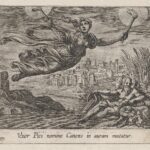 Canens
Camenae and the Arts
The connection between the Camenae and the arts is particularly fascinating. In Roman culture, they were considered the muses of poets and musicians, providing inspiration and creativity. Many artists would invoke the Camenae before beginning their work, seeking their guidance and support. This practice highlights the deep respect the Romans had for these divine beings and their influence on artistic expression.
Several poets from ancient Rome have mentioned the Camenae in their works, illustrating their importance in the literary world. For example, the poet Virgil referenced them in his writings, emphasizing their role in inspiring creativity and artistic achievement. The Camenae were seen as vital figures in the pursuit of knowledge and wisdom, reflecting the Romans’ belief in the interconnectedness of art, nature, and the divine.
Camenae in Roman Festivals
The Camenae were honored in various Roman festivals, where rituals and celebrations took place in their name. One of the most notable festivals was the Carmentalia, celebrated on January 11 and 15. During this festival, the Romans paid homage to the Camenae, seeking their blessings for the upcoming year. The festivities included offerings, prayers, and communal gatherings, emphasizing the significance of the Camenae in Roman society.
 Carna
Carna- Offerings of flowers and fruits were made at sacred springs.
- Poetic recitations and musical performances took place to honor the Camenae.
- People would seek guidance and healing through rituals conducted by priests dedicated to the Camenae.
These festivals not only celebrated the Camenae but also served as a reminder of the importance of nature and the arts in Roman life. They reinforced the belief that the divine could be accessed through acts of devotion and creativity, allowing individuals to connect with the spiritual realm.
Symbolism and Representation
The Camenae were often depicted in art and sculpture, showcasing their beauty and grace. They were typically portrayed as young women, adorned with flowing garments and surrounded by elements of nature, such as flowers and water. This imagery emphasized their connection to the natural world and their role as protectors of life and health.
In addition to their physical representation, the Camenae also symbolized various concepts within Roman culture. They were seen as embodiments of inspiration, creativity, and healing. Their association with water further reinforced the idea of purification and renewal, making them important figures in the context of personal and communal well-being. The Camenae served as a reminder of the delicate balance between humanity and nature, highlighting the need for respect and reverence for the natural world.
Legacy of the Camenae
The legacy of the Camenae extends beyond ancient Rome, influencing various aspects of culture and art throughout history. Their connection to the arts and healing has been celebrated in literature and music, as well as in modern interpretations of mythology. The Camenae continue to inspire artists and writers, serving as a symbol of creativity and the power of nature.
In contemporary culture, the Camenae are often referenced in discussions about the importance of nature and the arts in society. Their story serves as a reminder of the enduring connection between humanity and the natural world, highlighting the need for balance and harmony. As society continues to grapple with environmental challenges, the legacy of the Camenae remains relevant, encouraging a deeper appreciation for the beauty and significance of nature.
Conclusion: Camenae in Modern Context
Today, the story of the Camenae can be seen as a reflection of our ongoing relationship with the environment and the arts. As we navigate the complexities of modern life, the values embodied by the Camenae—such as healing, creativity, and reverence for nature—remain vital. Their legacy encourages us to seek inspiration in the world around us and to honor the connections that bind us to the earth and each other.
In a world increasingly focused on technology and progress, the Camenae remind us of the importance of slowing down, appreciating the beauty of nature, and nurturing our creative spirits. Whether through poetry, music, or simply spending time in nature, the influence of the Camenae continues to resonate, inviting us to explore the depths of our own creativity and the healing power of the natural world.