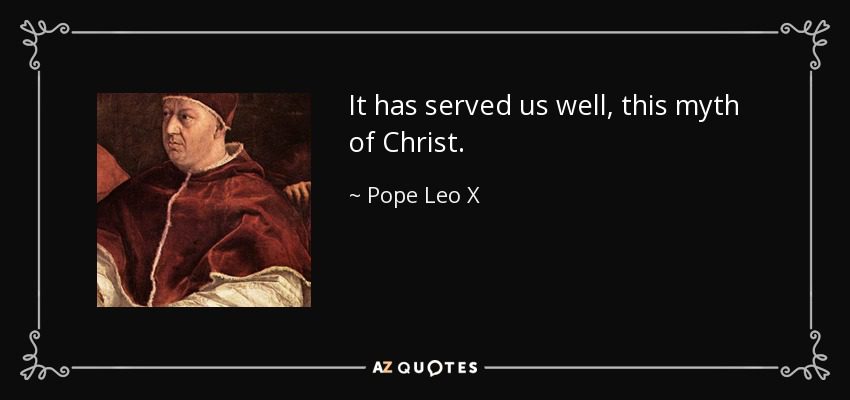
St. Pope Leo X, born Giovanni di Lorenzo de’ Medici, was a prominent figure in the history of the Catholic Church and the Renaissance period. He served as pope from 1513 to 1521 and was a member of the powerful Medici family. His papacy was marked by significant events that shaped the future of Christianity and Europe. The era in which he lived was characterized by political intrigue, artistic flourishing, and religious upheaval. Understanding St. Pope Leo X involves exploring his contributions to the Church, his relationships with other leaders, and the lasting impact of his actions.
The Early Life of Leo X
Giovanni di Lorenzo de’ Medici was born on December 11, 1475, in Florence, Italy. As a member of the Medici family, he was immersed in a world of wealth and influence from a young age. His family played a crucial role in the politics of Florence and beyond, often supporting the arts and culture. Giovanni was educated in the humanities, which laid the foundation for his later appreciation of art and learning. His upbringing in such a powerful family provided him with connections that would later benefit him in his ecclesiastical career.
 St. John Baptist De Rossi
At the age of seven, Giovanni was made a cardinal, showcasing the influence of his family. This early elevation in rank was not unusual for the Medici, as they often sought to secure power within the Church. Giovanni’s education continued, and he became well-versed in theology, politics, and the arts. These skills would prove invaluable during his papacy, as he navigated complex relationships with other leaders and factions within the Church. His early life set the stage for a reign that would be both celebrated and criticized.
The Papacy of Leo X
St. Pope Leo X was elected pope on March 9, 1513. His election was largely influenced by the political maneuvering of the Medici family, as they sought to maintain their power in the Church. Leo X’s papacy was characterized by a strong focus on patronage of the arts and a desire to restore the glory of the Vatican. He was known for his extravagant lifestyle, which often drew criticism from those who believed the Church should be more austere. Despite this, his support for artists such as Michelangelo and Raphael led to a flourishing of Renaissance art.
One of the most notable events during Leo X’s papacy was the indulgence controversy, which ultimately contributed to the Protestant Reformation. Leo X approved the sale of indulgences to fund the rebuilding of St. Peter’s Basilica in Rome. This practice was seen by many as corrupt and a way for the Church to exploit the faithful for financial gain. The sale of indulgences became a significant point of contention, leading figures like Martin Luther to challenge the authority of the pope and the Church. This conflict would have lasting repercussions for Christianity as a whole.
 St. Giles
Art and Culture During Leo X’s Papacy
St. Pope Leo X is often remembered for his profound impact on the arts and culture of the Renaissance. He was a great patron of artists, commissioning numerous works that would become iconic representations of the era. His support for artists was not only about aesthetics; it was also a way to enhance the prestige of the papacy and the Church. Leo X believed that art could convey the glory of God and the Church, and he sought to surround himself with beauty and creativity.
Among the artists who flourished under Leo’s patronage was Michelangelo, who was commissioned to paint the Sistine Chapel. This monumental work would later become one of the most famous artistic achievements in history. Raphael, another celebrated artist of the time, also received significant commissions from the pope, including the Raphael Rooms in the Vatican. These contributions not only beautified the Vatican but also solidified the Church’s role as a center of cultural and artistic innovation during the Renaissance.
 St. Gildas The Wise
The Political Landscape of Leo X’s Time
St. Pope Leo X’s papacy was set against a backdrop of significant political turmoil in Europe. The power struggles between various states and the influence of the Catholic Church played a crucial role in shaping the political landscape. Leo X had to navigate relationships with powerful rulers, including the Holy Roman Emperor and various kings of Europe. His diplomatic skills were put to the test as he sought to maintain the Church’s influence while managing the ambitions of secular leaders.
During Leo’s papacy, the Italian Wars were ongoing, with various city-states vying for power. The pope sought to position the Church as a stabilizing force amidst the chaos, but this was a challenging task. The political alliances and conflicts of the time often intersected with religious issues, complicating Leo’s efforts to maintain peace. His ability to maneuver through these turbulent waters was critical for the Church’s standing in Europe.
Controversies and Challenges
Despite his artistic achievements and political maneuvering, St. Pope Leo X faced numerous controversies during his papacy. The most significant challenge came from the growing discontent among Christians regarding the sale of indulgences. This practice, which Leo X supported, was seen as a corruption of the Church’s teachings. The criticisms culminated in Martin Luther’s 95 Theses, a document that called for reform and questioned the authority of the pope. Luther’s actions sparked a movement that would change the course of Christianity.
Leo X’s response to the Reformation was to issue a papal bull condemning Luther’s teachings. However, this only served to escalate tensions between the Church and the reformers. The growing divide between Catholics and Protestants would lead to significant religious conflicts in the years to come. Leo’s inability to effectively address the concerns raised by reformers ultimately contributed to the fragmentation of the Church and the rise of Protestantism.
Legacy of St. Pope Leo X
The legacy of St. Pope Leo X is complex and multifaceted. On one hand, he is remembered for his contributions to the arts and the Renaissance, as well as his efforts to enhance the prestige of the papacy. His patronage of artists and support for cultural endeavors left a lasting mark on the Vatican and the broader European cultural landscape. The works created during his papacy continue to be celebrated and studied today, showcasing the richness of Renaissance art.
On the other hand, Leo X’s papacy is often associated with the corruption and excesses that characterized the Church during this period. His support for the sale of indulgences and the subsequent response to the Reformation highlight the challenges the Church faced in maintaining its authority. The schisms that arose during his time would have profound implications for Christianity, leading to the establishment of various Protestant denominations and a reexamination of Catholic practices.
St. Pope Leo X’s life and papacy encapsulate a pivotal moment in history, marked by artistic brilliance, political maneuvering, and religious upheaval. His legacy continues to influence discussions about the Church, art, and the interplay between faith and politics. Understanding his contributions and challenges provides valuable insight into the complexities of the Christian tradition and the enduring impact of the Renaissance.