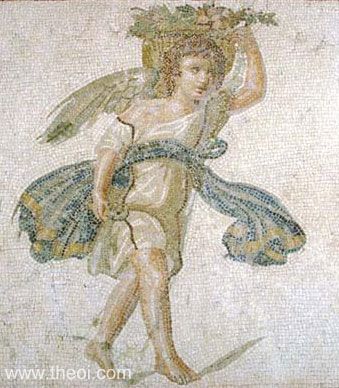
Auster, in Roman mythology, is often associated with the winds and is particularly known as the god of the south wind. The Romans believed that winds played a significant role in their lives, influencing everything from agriculture to travel. Auster, as the south wind, was thought to bring warmth and rain, which were essential for crops to grow. His presence was crucial during the changing seasons, especially as the summer approached. The Romans had a deep respect for the forces of nature, and Auster was no exception. They attributed various characteristics and powers to him, seeing him as a vital part of their understanding of the world around them.
The Role of Auster in Roman Culture
Auster was not just a mere figure in Roman mythology; he was an integral part of the cultural and religious practices of the time. Romans would often perform rituals and sacrifices to appease Auster and ensure favorable weather conditions. These practices reflected their belief in the influence of divine powers over natural elements. In ancient Rome, agriculture was the backbone of the economy, and the success of crops depended heavily on the weather. Thus, Auster’s role as the god of the south wind was of utmost importance.
 Bacchus
In addition to agriculture, Auster was also linked to maritime activities. The Romans were a seafaring people, and the winds were crucial for navigation. Sailors would pray to Auster for safe passage and favorable winds when setting out to sea. The connection between Auster and the sea illustrates the Romans’ understanding of the interconnectedness of various elements of their lives. They recognized that the winds could either facilitate or hinder their journeys, both on land and at sea.
Mythological Associations
Auster is often associated with other wind gods in Roman mythology, such as Favonius, the god of the west wind, and Septentrio, the god of the north wind. Each of these gods represented different aspects of the wind and weather. While Auster brought warmth and moisture from the south, Favonius was known for gentle breezes that brought spring. Septentrio, on the other hand, was associated with cold and harsh conditions. Together, these wind gods formed a pantheon that illustrated the Romans’ understanding of the complexities of nature.
 Bellifluficus
- Auster: God of the south wind, associated with warmth and rain.
- Favonius: God of the west wind, known for gentle breezes.
- Septentrio: God of the north wind, associated with cold and harsh weather.
The interplay between these gods not only provided a framework for understanding weather patterns but also served as a way for the Romans to express their reverence for nature. Myths surrounding these deities often involved stories of how they interacted with one another, reflecting the changing seasons and the effects of weather on daily life. Auster, as the god of the south wind, was frequently depicted as a powerful force that could bring both blessings and challenges.
Symbolism and Representation
Auster was often represented in art and literature as a figure that embodied the characteristics of the south wind. In various depictions, he was shown with flowing hair and garments that appeared to be blown by the wind. This imagery emphasized his connection to the natural elements and highlighted the dynamic nature of the winds. Artists sought to capture the essence of Auster, portraying him as a vibrant and life-giving force.
The symbolism of Auster extended beyond mere representation. He was often seen as a harbinger of change, signaling the transition from one season to another. As the south wind brought warmth, it also heralded the arrival of summer, a time of growth and abundance. This duality in Auster’s character made him a complex figure in Roman mythology, embodying both the nurturing aspects of nature and its potential for unpredictability.
 Bellona
Festivals and Rituals
To honor Auster and seek his favor, the Romans held various festivals and rituals throughout the year. These events were marked by offerings, prayers, and communal gatherings. One of the key festivals dedicated to Auster was the Vinalia, a celebration of wine and the grape harvest. During this festival, people would pray for good weather to ensure a bountiful harvest. Auster’s role in this context was crucial, as the right conditions were necessary for the grapes to flourish.
- Vinalia: A festival celebrating wine and grape harvest.
- Offerings: Rituals included sacrifices to seek Auster’s favor.
- Community Gatherings: Events brought people together to celebrate nature.
These festivals were not only a way to honor Auster but also served as a means of community bonding. The rituals performed during these events fostered a sense of unity among the participants, as they collectively sought the blessings of the gods. The communal aspect of these celebrations reflected the Romans’ understanding of their dependence on nature and the divine forces that governed it.
Auster in Literature
Auster’s influence extended into Roman literature, where he was referenced in various texts by poets and writers. His character often symbolized the changing of seasons and the impact of weather on human life. For instance, poets would invoke Auster when describing the beauty of spring or the challenges of summer storms. Through their works, these writers conveyed the significance of Auster in the Roman worldview, illustrating how deeply ingrained he was in their cultural consciousness.
One notable example is found in the works of the Roman poet Virgil, who often included references to the winds in his epic poem, the Aeneid. Auster, as the south wind, played a role in the journeys of Aeneas, the poem’s hero. The winds were portrayed as both guides and obstacles, reflecting the unpredictability of nature and the challenges faced by those who ventured into the unknown. This literary representation of Auster served to reinforce his importance in Roman mythology and culture.
Modern Interpretations
Today, Auster continues to be a subject of interest for those studying Roman mythology and ancient cultures. Scholars and enthusiasts alike explore his significance and the role he played in the lives of the Romans. Modern interpretations often focus on the themes of nature, change, and the interconnectedness of life. Auster serves as a reminder of humanity’s relationship with the natural world and the respect that ancient cultures had for the forces that shaped their lives.
- Scholarly Interest: Auster is studied in the context of Roman mythology.
- Themes of Nature: Modern interpretations focus on the connection between humanity and nature.
- Respect for Forces: Auster represents the reverence ancient cultures had for the elements.
In literature and art, Auster may not be as prominent as other Roman deities, but his legacy endures. He symbolizes the enduring connection between humanity and the natural world, highlighting the importance of understanding and respecting the elements that influence our lives. As we continue to explore ancient mythologies, Auster remains a significant figure that captures the imagination and reflects the complexities of the human experience.
Auster holds a unique place in Roman mythology as the god of the south wind. His significance in agriculture, maritime activities, and cultural practices underscores the Romans’ reverence for nature and the forces that governed their lives. Through rituals, literature, and artistic representations, Auster embodies the complexities of the natural world and serves as a reminder of the interconnectedness of all living things.
As we delve into the rich tapestry of Roman mythology, Auster stands out as a powerful symbol of the changing seasons, the influence of the winds, and the enduring relationship between humanity and nature. His legacy continues to inspire and provoke thought about our place in the world and the elements that shape our existence.