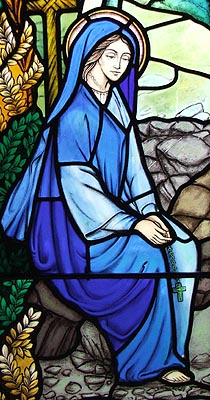
St. Winifred is a significant figure in Christian mythology, particularly known in the context of the Welsh and British Christian traditions. Her story is not only about her life but also about the cultural and religious practices that emerged around her legend. St. Winifred is often associated with miracles, piety, and the enduring power of faith. Her narrative reflects the struggles and triumphs of early Christian saints who sought to spread the teachings of Jesus Christ in a world often hostile to their message. The life of St. Winifred is celebrated in various ways, including festivals, pilgrimages, and church dedications, making her a revered figure in Christian history.
The Life of St. Winifred
St. Winifred was born in the early 7th century in Wales, a time when Christianity was still establishing itself in the region. According to legend, she was the daughter of a nobleman named Winnow and was raised in a Christian household. From a young age, Winifred showed a deep commitment to her faith. Her beauty and piety attracted many admirers, but she was determined to dedicate her life to God. This determination led her to become a nun, and she joined a community of women dedicated to serving the Lord. Her choice was not only a personal commitment but also a significant statement about the role of women in the early Church.
 St. Guy Of Anderlecht
One of the most famous stories about St. Winifred involves her encounter with a man named Caradoc, who attempted to force her into marriage. Winifred refused his advances, choosing instead to remain devoted to her religious calling. In a fit of rage, Caradoc killed her. However, the story does not end there. It is said that a miraculous event occurred: her uncle, St. Beuno, prayed for her resurrection. Winifred was restored to life, a powerful testament to the strength of faith and the intercession of saints. This miraculous act solidified her status as a saint and a martyr, inspiring many to honor her memory.
The Miracles of St. Winifred
St. Winifred is celebrated for numerous miracles attributed to her intercession. These miracles often reflect her deep connection to the divine and her role as a protector of those in need. One of the most notable miracles is the healing of the sick. Many pilgrims who visit her shrine report experiencing physical and spiritual healing. The site of her burial became a pilgrimage destination, attracting thousands who sought her help. This tradition continues to this day, with people believing that prayers offered at her shrine can lead to miraculous outcomes.
Another significant miracle associated with St. Winifred is the story of a leper who was healed after praying at her tomb. This event not only emphasizes her role as a healer but also highlights the importance of faith in the healing process. Many believers attribute their recovery from various ailments to her intercession, further cementing her reputation as a powerful saint. Pilgrims often leave offerings at her shrine, expressing gratitude for the miracles they believe they have received.
 St. Urban V
St. Winifred’s Shrine
The shrine of St. Winifred, located in Holywell, Wales, is one of the most famous pilgrimage sites in the country. The site has been a place of worship since the 7th century and is renowned for its healing waters. According to legend, the spring that feeds the well was created from the blood of St. Winifred when she was martyred. The water is believed to possess miraculous properties, drawing visitors from far and wide. Many pilgrims come to the shrine to immerse themselves in the water, seeking physical and spiritual healing.
Over the centuries, the shrine has undergone various renovations and restorations, reflecting the enduring devotion to St. Winifred. The chapel built at the site is a place where visitors can pray and reflect on her life and miracles. The annual pilgrimage to Holywell continues to be a significant event for many Christians, symbolizing the ongoing legacy of St. Winifred. During this time, people gather to celebrate her life, share stories of healing, and participate in communal prayers.
The Legacy of St. Winifred
The legacy of St. Winifred extends beyond her miracles and the shrine in Holywell. She is often regarded as a symbol of female strength and spirituality in the Christian tradition. Her story has inspired countless women throughout history to pursue their faith and embrace their roles within the Church. St. Winifred’s life serves as a reminder of the power of dedication, faith, and resilience in the face of adversity. Her story has been passed down through generations, ensuring that her impact on Christian mythology remains strong.
 St. Guy Of Pomposa
In addition to her influence on individuals, St. Winifred has also had a lasting impact on the community. Festivals and celebrations in her honor continue to take place, bringing people together to celebrate their faith and share in the rich history surrounding her life. These events often include processions, prayers, and communal meals, fostering a sense of unity and shared purpose among participants. St. Winifred’s legacy is not just a historical narrative but a living tradition that continues to inspire faith and devotion.
St. Winifred in Art and Literature
St. Winifred has been a subject of fascination in various forms of art and literature throughout the centuries. Artists have depicted her life and miracles in paintings, sculptures, and stained glass windows, capturing the essence of her faith and the miracles attributed to her. These artistic representations serve as visual reminders of her story and contribute to the ongoing reverence for her legacy. Many churches dedicated to St. Winifred feature beautiful artwork that narrates her life, inviting visitors to reflect on her significance.
In literature, St. Winifred’s story has been told through hymns, poems, and historical accounts. These writings often explore themes of sacrifice, faith, and the enduring power of prayer. The stories of her miracles are recounted in various texts, highlighting the impact of her life on the Christian community. Authors have used her narrative to inspire others, encouraging them to seek strength and guidance through their faith. The written word continues to play a crucial role in preserving the legacy of St. Winifred and sharing her story with future generations.
The Cultural Impact of St. Winifred
The cultural impact of St. Winifred is evident in various aspects of Welsh and British society. Her story has become intertwined with local traditions and customs, influencing everything from festivals to community gatherings. The celebration of her feast day on October 3rd is marked by special services in churches and is an opportunity for the community to come together in faith. This day serves as a reminder of her life and the importance of perseverance in the face of challenges.
Moreover, St. Winifred has become a symbol of Welsh identity and pride. Many people in Wales view her as a national saint, and her story is a source of inspiration for those who seek to honor their heritage. This cultural significance is reflected in the promotion of local traditions and the preservation of historical sites associated with her life. The ongoing interest in St. Winifred’s story contributes to a broader understanding of the role of saints in shaping cultural and religious identities.
Modern-Day Pilgrimages
Modern-day pilgrimages to the shrine of St. Winifred have seen a resurgence in recent years, reflecting a renewed interest in the spiritual and healing aspects of her legacy. Pilgrims from diverse backgrounds travel to Holywell to seek solace, healing, and a deeper connection to their faith. These journeys are often marked by a sense of reflection and personal growth, as individuals embark on a quest for spiritual renewal. Many pilgrims share their experiences and testimonies, recounting how their visits to the shrine have impacted their lives.
In addition to individual pilgrimages, organized group trips to Holywell have become increasingly popular. Churches and community groups often plan these excursions, fostering a sense of fellowship among participants. During these trips, pilgrims engage in prayers, share stories, and participate in communal rituals that honor St. Winifred. The sense of community and shared purpose enhances the pilgrimage experience, allowing individuals to connect not only with their faith but also with one another.
St. Winifred in the Context of Other Saints
St. Winifred’s life and legacy can be understood within the broader context of other Christian saints. Like many saints, she faced challenges and adversities that tested her faith. Her story of martyrdom and miraculous resurrection is reminiscent of other saints who have endured persecution for their beliefs. This connection highlights the universal themes of sacrifice, faith, and divine intervention that resonate throughout Christian mythology.
Moreover, St. Winifred is often grouped with female saints who have made significant contributions to the Church. Figures like St. Brigid and St. Teresa share similar narratives of devotion and strength. The stories of these saints collectively underscore the vital role of women in the history of Christianity. Their contributions to the faith and their ability to inspire future generations serve as a testament to the enduring impact of female spirituality in the Christian tradition.
The Importance of St. Winifred’s Feast Day
The feast day of St. Winifred is celebrated on October 3rd, and it holds special significance for the Christian community. This day is marked by various religious observances, including special church services, prayers, and processions. The celebration serves as an opportunity for believers to reflect on her life and the virtues she embodied. It is a time to honor her memory and seek her intercession in their lives.
During the feast day, many people participate in communal activities that strengthen their sense of community and faith. These activities may include sharing meals, storytelling, and engaging in charitable works. The emphasis on community and fellowship during the feast day reflects the values that St. Winifred exemplified throughout her life. Her feast day serves not only as a commemoration of her legacy but also as a reminder of the importance of faith, community, and the pursuit of a virtuous life.
St. Winifred in Contemporary Christian Practice
In contemporary Christian practice, St. Winifred continues to inspire individuals and communities alike. Her story is often referenced in sermons and religious discussions, highlighting the relevance of her life in today’s world. Many Christians draw parallels between her experiences and their own struggles, finding comfort and encouragement in her unwavering faith. This connection serves as a reminder that the lessons of the past can inform and strengthen modern faith practices.
Additionally, St. Winifred’s example of resilience and dedication resonates with contemporary issues such as social justice and the empowerment of women in the Church. Many believers look to her life as a model for how to navigate challenges and remain committed to their faith. The ongoing celebration of her life through various forms of worship and community engagement demonstrates her enduring impact on the Christian faith and the relevance of her story in today’s society.