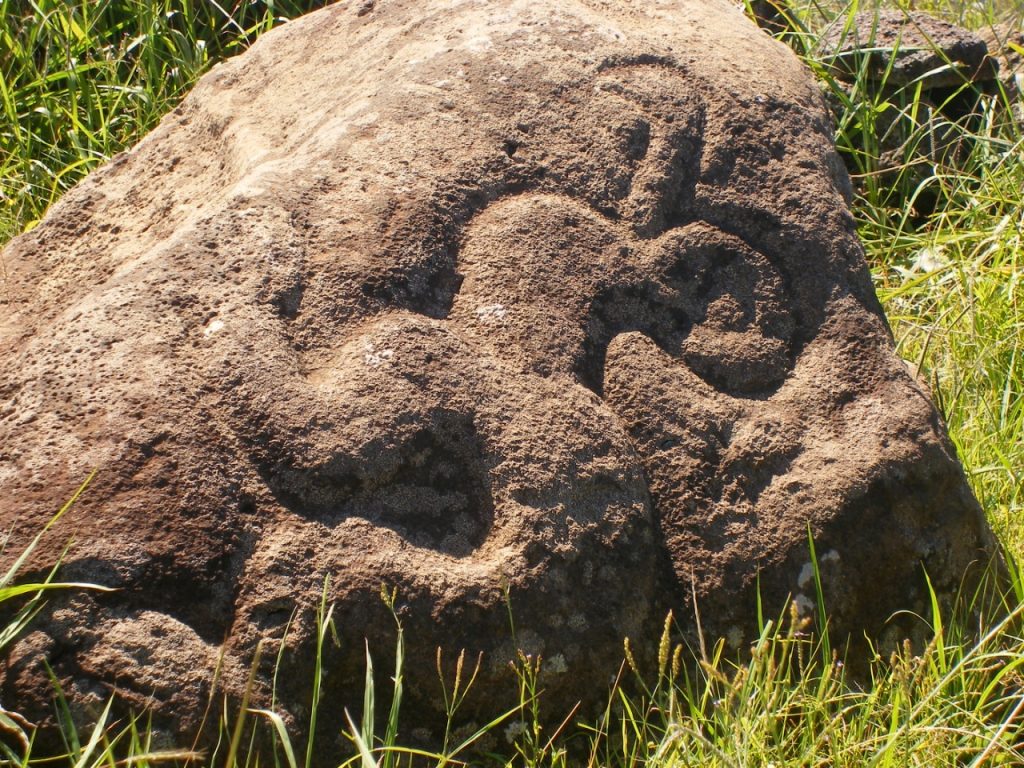
Ngaru is a significant figure in Polynesian mythology, representing various aspects of nature and culture in the islands of the Pacific. This mythological character is often associated with the ocean, waves, and the intricate relationship between humans and the sea. The stories of Ngaru vary across different Polynesian cultures, reflecting the unique beliefs and practices of each community. This article explores the many dimensions of Ngaru, examining his roles, attributes, and the impact of his stories on Polynesian culture.
The Origins of Ngaru
The origins of Ngaru can be traced back to the ancient traditions of the Polynesian people. In many stories, he is depicted as a powerful deity or spirit of the ocean, embodying the essence of the waves. According to some legends, Ngaru was born from the union of the sea and the sky, which explains his connection to both elements. This duality makes him a complex character, capable of both nurturing and destructive forces. The rich tapestry of Ngaru’s origin stories showcases the deep reverence that Polynesian cultures have for the natural world.
 Na Atibu
In several traditions, Ngaru is not only a god of the sea but also a protector of sailors and fishermen. His presence is often invoked for safe voyages and bountiful catches. Many islanders believed that honoring Ngaru through rituals and offerings would ensure their safety and prosperity. These practices highlight the importance of respecting the ocean and recognizing its power. Ngaru’s origins are deeply intertwined with the values of respect, gratitude, and harmony with nature that are central to Polynesian life.
Ngaru in Different Polynesian Cultures
Ngaru is a figure found in various Polynesian cultures, each interpreting his essence and stories in unique ways. In Hawaiian mythology, for instance, he is often associated with the goddess of the ocean, Namaka. Their stories explore the balance between creation and destruction, emphasizing the importance of respecting the ocean’s power. In these tales, Ngaru is seen as a force that can bring both life and death, depending on how humans interact with the sea.
In Maori culture, Ngaru is sometimes connected to the concept of Te Moana, the vast ocean that surrounds the islands. The Maori people view the ocean as a living entity, and Ngaru embodies this belief. He is often depicted as a guardian spirit, watching over the waters and guiding fishermen to safe passages. The Maori stories about Ngaru emphasize the need for balance and sustainability in the relationship between humans and the ocean.
 Moko
MokoThe Symbolism of Ngaru
Ngaru symbolizes various elements that are crucial to Polynesian life. One of the primary symbols associated with him is the wave, which represents both the power of nature and the fluidity of life. Waves are a constant presence in the lives of islanders, shaping their daily routines, traditions, and even their spiritual beliefs. Ngaru’s connection to waves highlights the importance of adaptability and resilience in the face of challenges.
Additionally, Ngaru embodies the concept of balance. The ocean can be both a source of sustenance and a force of destruction, and Ngaru teaches the importance of maintaining harmony with nature. This balance is reflected in the way Polynesians approach fishing, sailing, and other ocean-related activities. They understand that their actions have consequences, and respecting Ngaru is essential for ensuring a sustainable future.
Ngaru’s Role in Rituals and Ceremonies
 Moai
MoaiNgaru plays a significant role in various rituals and ceremonies throughout Polynesia. Many communities hold ceremonies to honor him, especially before embarking on fishing trips or long sea voyages. These rituals often involve offerings, prayers, and songs that express gratitude and seek protection. The act of honoring Ngaru is not only a way to ensure safety but also a means of connecting with the spiritual world.
In some cultures, specific dances and chants are performed to celebrate Ngaru’s presence. These performances often tell stories of his adventures and the lessons learned from the sea. The vibrant expressions of culture through dance and music serve to reinforce the values associated with Ngaru and highlight the importance of oral traditions in preserving these myths. The rituals surrounding Ngaru are a testament to the deep spiritual connection that Polynesians have with the ocean and its deities.
Ngaru and the Environment
Ngaru’s influence extends beyond mythology and spirituality; he is also a symbol of environmental awareness and conservation in Polynesian cultures. The stories of Ngaru often emphasize the importance of protecting the ocean and its resources. As the guardian of the sea, Ngaru reminds people of their responsibility to care for the environment. This connection between Ngaru and environmental stewardship is particularly relevant today, as many Polynesian communities face challenges related to climate change and overfishing.
Efforts to honor Ngaru and protect the ocean can be seen in various conservation initiatives across Polynesia. Communities are increasingly recognizing the need to practice sustainable fishing, protect marine ecosystems, and advocate for policies that safeguard their waters. By aligning their conservation efforts with the teachings of Ngaru, islanders can draw on their cultural heritage to inspire action and promote a healthier relationship with the ocean.
Ngaru in Contemporary Culture
The figure of Ngaru continues to resonate in contemporary Polynesian culture. Artists, musicians, and writers draw inspiration from his stories, creating works that celebrate his legacy. Modern interpretations of Ngaru can be found in various forms of art, from paintings to sculptures, showcasing the enduring significance of this mythological figure. These creative expressions serve to keep the stories of Ngaru alive and relevant for future generations.
Moreover, Ngaru’s themes of connection, respect, and balance are increasingly being integrated into educational programs and community initiatives. Schools in Polynesian regions often incorporate lessons about Ngaru and the importance of the ocean into their curricula. This educational approach not only fosters a sense of cultural identity but also encourages young people to engage with their environment and understand the significance of their heritage.
Conclusion: The Legacy of Ngaru
Ngaru’s legacy is one of deep connection to the ocean, cultural identity, and environmental stewardship. Through his stories, Polynesian cultures have passed down important values that continue to shape their relationship with nature. As communities navigate the challenges of modern life, the teachings of Ngaru serve as a guiding light, reminding them of the power of the sea and the need to protect it. The enduring presence of Ngaru in mythology, art, and education reflects the resilience and richness of Polynesian culture, ensuring that his stories will continue to inspire future generations.