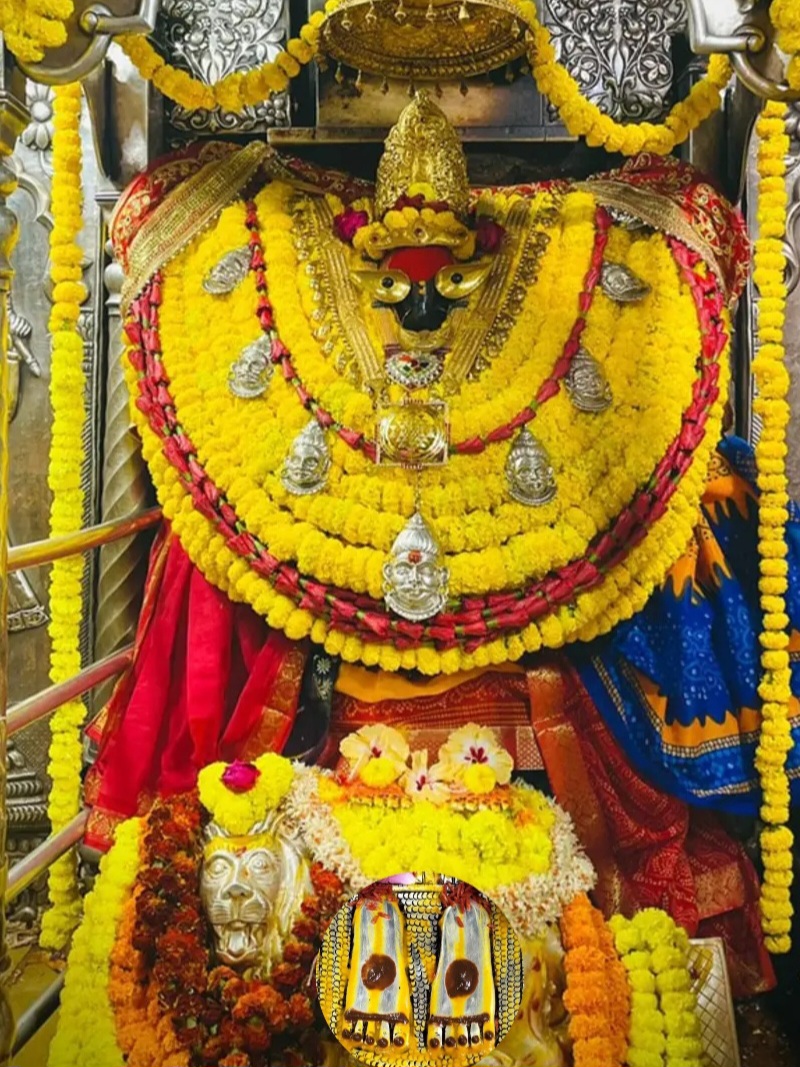
Vindhyavasini is a significant figure in Hindu mythology, often revered as a form of the goddess Durga. This goddess is particularly associated with the Vindhya mountain range, which is located in central India. The devotees of Vindhyavasini believe that she is a powerful protector and a source of strength for those who seek her blessings. Her worship is integral to the cultural and spiritual practices in the region, and she is often depicted in various forms, embodying the spirit of the mountains and nature.
Origins of Vindhyavasini
The origins of Vindhyavasini are steeped in ancient Indian scriptures and legends. According to the stories, she emerged from the Himalayas, embodying the essence of the mountain deities. The Vindhya range is said to have been her abode, and from there, she spreads her divine influence. Many believe that Vindhyavasini was created to combat the forces of evil and to protect the earth from malevolent spirits. Her name itself signifies the connection with the Vindhya mountains, as ‘Vasini’ means ‘one who dwells’ or ‘one who resides.’
 Vinatâ
One of the most popular legends tells how Vindhyavasini played a crucial role in the cosmic battle between the gods and demons. The gods were in dire need of a powerful ally to defeat the demon Mahishasura, who had gained immense strength and was terrorizing the heavens. The gods prayed to Vindhyavasini, and she responded by manifesting as a fierce warrior, embodying both beauty and power. This form of the goddess is often depicted with a trident and riding a lion, symbolizing her strength and courage.
Symbolism and Iconography
The iconography of Vindhyavasini is rich and varied, representing different aspects of her divine nature. In many depictions, she is shown with multiple arms, each holding various weapons and symbols. These represent her ability to protect her devotees from all directions and her readiness to fight against evil. Her lion mount signifies bravery and the fierce spirit of the goddess. The color of her skin is often depicted as red, symbolizing passion, energy, and the transformative power of the divine.
- Trident: Represents her power over the three worlds: the earth, the atmosphere, and the heavens.
- Lotus: Symbolizes purity and enlightenment, indicating her divine nature.
- Garland of skulls: Represents her mastery over death and her role as a protector.
In addition to her physical attributes, Vindhyavasini embodies several symbolic meanings. She is considered a goddess of fertility, representing the nurturing aspect of nature. Devotees often seek her blessings for prosperity and health. Furthermore, she is a symbol of empowerment for women, often invoked in rituals related to childbirth and family well-being. Her fierce form serves as a reminder of the strength that lies within, encouraging individuals to overcome their fears and challenges.
 Vedas
VedasTemples Dedicated to Vindhyavasini
One of the most famous temples dedicated to Vindhyavasini is located in Vindhyachal, a small town in the state of Uttar Pradesh, India. This temple attracts thousands of pilgrims each year, especially during the festival of Navratri, when devotees come to pay homage to the goddess. The temple is situated on a hill, providing a breathtaking view of the surrounding landscape, which adds to the spiritual experience of visiting.
The architecture of the Vindhyavasini temple is a blend of traditional Indian styles, featuring intricate carvings and sculptures that depict various deities and mythological scenes. Inside the temple, the idol of Vindhyavasini is adorned with flowers and jewelry, and devotees offer prayers and prasad (sacred food) as a token of their devotion. The atmosphere during festivals is vibrant, filled with chanting, music, and the sounds of conch shells, creating a deeply spiritual environment.
Festivals Celebrated in Honor of Vindhyavasini
- Navratri: A nine-night festival dedicated to the worship of the goddess.
- Diwali: Celebrated as a festival of lights, honoring the victory of good over evil.
- Vasant Panchami: Celebrated to mark the arrival of spring and to honor the goddess of knowledge.
During these festivals, the temple sees a surge of activity, with special rituals and ceremonies conducted in honor of Vindhyavasini. Devotees often fast, perform puja (ritual worship), and engage in singing devotional songs that extol the virtues of the goddess. The communal spirit during these times fosters a sense of unity and devotion among the worshippers, reinforcing the belief in her protective and nurturing powers.
 Vayu
VayuLegends Associated with Vindhyavasini
Several legends surround the goddess Vindhyavasini, adding depth to her character and significance in Hindu mythology. One popular tale involves her connection with the sage Vishwamitra, who was known for his immense spiritual power. It is said that Vishwamitra performed intense penance in the Vindhya mountains to gain the favor of the goddess. Pleased with his devotion, Vindhyavasini appeared before him and granted him various boons, including the ability to protect his followers.
Another legend tells of how Vindhyavasini helped the gods in their battle against the demon Tarakasura. This demon had terrorized the heavens and was nearly invincible. The gods, realizing their plight, prayed to Vindhyavasini for help. She descended from the mountains and, with her fierce energy, led the charge against Tarakasura, ultimately defeating him and restoring peace in the universe. This story is often recounted during worship, emphasizing her role as a divine protector.
Worship and Rituals
The worship of Vindhyavasini is characterized by various rituals and practices that reflect the deep reverence devotees have for her. Common rituals include offering flowers, fruits, and sweets at her altar. Devotees often chant specific mantras and prayers that invoke her blessings, seeking protection and guidance in their lives. One of the most important mantras associated with her is the Vindhyavasini Stotra, which praises her attributes and seeks her grace.
In addition to individual worship, communal celebrations play a significant role in honoring Vindhyavasini. Many local communities organize yajnas (sacrificial rituals) and processions, where the idol of the goddess is carried through the streets, allowing more people to pay their respects. These events often include cultural performances, dance, and music, fostering a sense of community and shared devotion among the participants.
Significance of Offerings
- Flowers: Symbolize beauty and devotion.
- Fruits: Represent the bounty of nature and gratitude.
- Sweets: A gesture of sharing joy and happiness with the goddess.
Devotees also believe that offering specific items can fulfill particular desires. For example, offering coconuts is thought to bring prosperity, while lemons are believed to ward off evil. The act of offering is not just a ritual but a way for devotees to express their gratitude and seek the goddess’s favor in various aspects of life, including health, wealth, and happiness.
Vindhyavasini in Popular Culture
Vindhyavasini’s influence extends beyond temples and rituals; she has also made her mark in popular culture. Numerous songs, dances, and plays celebrate her life and legends, often performed during festivals and cultural events. These artistic expressions serve to keep the stories of Vindhyavasini alive and accessible to younger generations, reinforcing her significance in contemporary society.
In cinema, Vindhyavasini has been portrayed in various films that explore themes of strength, femininity, and divine intervention. These portrayals often highlight her role as a protector and a source of inspiration for women, reflecting the evolving perceptions of femininity in modern India. Through these narratives, Vindhyavasini continues to inspire and empower individuals, reminding them of their inner strength and resilience.
Spiritual Teachings of Vindhyavasini
The teachings of Vindhyavasini extend beyond mere worship; they encompass important life lessons that resonate with many. One of her primary messages is the importance of courage in the face of adversity. Her fierce form serves as a reminder that strength comes from within, and individuals should never shy away from challenges. This lesson is particularly relevant in today’s fast-paced world, where people often face various obstacles.
Another significant teaching of Vindhyavasini is the value of compassion and nurturing. As a goddess associated with fertility and motherhood, she embodies the essence of caring for others. This aspect of her character encourages devotees to extend kindness and support to those in need, fostering a sense of community and unity among individuals. By embodying these qualities, devotees strive to create a more harmonious and compassionate world.
Modern Interpretations
- Empowerment: Vindhyavasini is often seen as a symbol of women’s empowerment.
- Environmentalism: Her connection to nature promotes the importance of environmental conservation.
- Resilience: Her stories inspire individuals to remain resilient in the face of life’s challenges.
These teachings encourage individuals to reflect on their lives and the impact they have on others and the environment. By embracing the qualities of courage, compassion, and resilience, devotees aim to create a positive change in their communities and beyond. Vindhyavasini serves as a guiding light, inspiring individuals to lead lives filled with purpose and meaning.
Conclusion: The Everlasting Legacy of Vindhyavasini
Vindhyavasini’s legacy is deeply embedded in the cultural and spiritual fabric of India. Her worship continues to thrive, attracting devotees from all walks of life who seek her blessings and guidance. The stories, rituals, and teachings associated with her not only preserve ancient traditions but also adapt to modern values, ensuring that her influence remains relevant in contemporary society.
As a goddess who embodies strength, compassion, and resilience, Vindhyavasini serves as a beacon of hope and inspiration for many. Her teachings encourage individuals to overcome challenges, support one another, and protect the environment. In a world that often feels chaotic and uncertain, the presence of Vindhyavasini offers a sense of stability and assurance, reminding us of the enduring power of the divine.