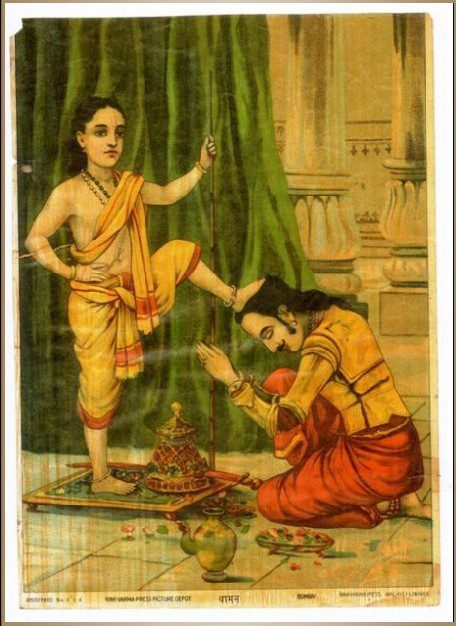
Vamana is a significant figure in Hindu mythology, particularly known as the fifth avatar of the god Vishnu. He is often depicted as a dwarf who embodies humility and cleverness. The story of Vamana is primarily found in the Bhagavata Purana and the Vishnu Purana, which narrate his exploits and the lessons they impart. Vamana’s tale is not just a story of power and divinity; it is also a profound narrative that teaches us about the nature of greed, humility, and the importance of balance in the universe. Through his actions, Vamana demonstrates that true power lies not in size or strength but in wisdom and purpose.

The Birth of Vamana
The story of Vamana begins with his birth to Rishi Kashyapa and his wife, Aditi. Aditi was the mother of the Adityas, the solar deities, and she prayed fervently to Vishnu for a son who could defeat the powerful demon king Bali. Bali had gained immense power and had begun to threaten the balance of the universe. He had conquered the three worlds: the earth, the heavens, and the netherworld. His arrogance grew, and he began to disregard the gods. Aditi’s prayers were answered when Vishnu took the form of Vamana, the dwarf.
Vamana’s birth was significant not only for Aditi and Kashyapa but for all the gods who were suffering under Bali’s reign. He was born during the Shravana month, which is considered auspicious in Hindu culture. Vamana’s form as a dwarf was symbolic; it represented the idea that even the smallest being could achieve great things through intelligence and determination. His appearance was humble, yet his purpose was grand. This contrast set the stage for a remarkable tale that would unfold as he approached Bali.
The Encounter with Bali
After gaining the blessing of his parents, Vamana set out to meet King Bali during a grand yajna (sacrifice) that Bali was conducting. Vamana approached the king in his humble form, dressed in simple clothes and carrying a wooden umbrella. His demeanor was peaceful, yet his presence commanded attention. When he arrived, the assembled crowd was struck by the sight of this diminutive figure, and Bali, known for his generosity, welcomed him warmly.
 Ushas
UshasBali was intrigued by Vamana and offered him anything he desired. Vamana, knowing the king’s arrogance and his overreaching ambition, asked for just three paces of land. Bali, amused by the request, agreed without hesitation. This request, however, was a clever strategy on Vamana’s part. The king’s seemingly generous offer would soon turn into a lesson in humility for him.
The Three Steps
- First Step: The Earth
- Second Step: The Heavens
- Third Step: The Netherworld
Once Bali granted his wish, Vamana transformed into a colossal form, towering above the heavens. With his first step, he covered the entire earth. With the second step, he reached the heavens, reclaiming them from Bali’s control. There was no place left for Bali to offer as a third step, and this act demonstrated Vamana’s divine power and wisdom. It was a turning point in the story, showing how even a seemingly small and humble being could exert immense influence over a powerful king.
As Vamana stood before Bali, he explained that he had reclaimed the three worlds for the gods. This moment was not just a victory over Bali; it was a restoration of cosmic order. Vamana’s actions emphasized the idea that power and control can be fleeting and that true authority comes from righteousness and respect for the natural balance of the universe.
 Urvashi
The Lesson of Humility
The encounter between Vamana and Bali is rich with lessons about humility and greed. Bali, despite his generosity, had become blinded by his own power. His initial willingness to grant Vamana’s request was overshadowed by his arrogance. This moment serves as a reminder that no matter how powerful one becomes, it is essential to remain humble and respectful of the forces that govern the universe.
Vamana’s triumph over Bali is not merely a tale of victory; it serves as a cautionary story about the dangers of excessive ambition. Bali’s downfall illustrates that when one becomes too consumed by power and control, they may lose sight of their values and responsibilities. Vamana’s humility, in contrast, is a powerful lesson about the strength found in modesty and wisdom. The myth encourages individuals to reflect on their own ambitions and to strive for a balance between aspiration and humility.
The Significance of Vamana in Hindu Worship
Vamana holds a special place in Hindu worship and is revered for his role in restoring cosmic balance. His festival, known as Vamana Jayanti, is celebrated with great enthusiasm among devotees. This day commemorates his birth and the lessons learned from his encounter with Bali. Devotees often perform rituals, offer prayers, and engage in acts of charity to honor Vamana and embody the values he represents.
In temples dedicated to Vishnu, Vamana is often depicted in his dwarf form, sometimes standing on the head of the demon king Bali. This iconography serves as a reminder of the triumph of good over evil and the importance of humility in the face of power. Rituals associated with Vamana emphasize the need for balance in life and the significance of respecting the forces that shape our existence.
Vamana in Popular Culture
The story of Vamana has transcended religious texts and has found its way into various forms of popular culture. It has been depicted in numerous dance dramas, plays, and films that explore Hindu mythology. These adaptations not only bring the ancient tales to life but also offer modern interpretations of the values embodied by Vamana. Through storytelling, the lessons of humility, balance, and the dangers of greed continue to resonate with audiences today.
Artistic representations of Vamana often showcase his dwarf form juxtaposed with his immense power, illustrating the duality of appearance versus reality. Such depictions serve as visual reminders of the importance of inner strength and wisdom over outward appearances. Vamana’s story encourages individuals to reflect on their own lives and consider how they can embody the values he represents in their daily actions.
The Broader Context of Hindu Mythology
Vamana’s story is part of a larger tapestry of Hindu mythology that explores themes of good versus evil, the role of the divine in human affairs, and the quest for balance in life. Hindu mythology is rich with stories of gods, goddesses, and heroes, each contributing to a greater understanding of the universe and our place within it. Vamana’s tale fits seamlessly into this narrative, serving as a microcosm of the struggles and triumphs faced by divine beings and mortals alike.
In the context of Hindu cosmology, Vamana’s actions have far-reaching implications. They highlight the cyclical nature of existence, where the forces of creation and destruction are in constant flux. Vamana’s role in reclaiming the heavens and earth serves as a reminder that divine intervention is often necessary to restore balance and order. This theme is prevalent throughout Hindu texts, where the gods frequently intervene in human affairs to guide and protect.
Vamana and the Concept of Dharma
At the core of Vamana’s story is the concept of dharma, or righteousness. Dharma is a fundamental principle in Hindu philosophy, representing the moral order of the universe. Vamana’s actions exemplify the importance of adhering to one’s dharma, regardless of the circumstances. His encounter with Bali illustrates that true power is not derived from domination but from upholding justice and balance.
Bali, despite his good intentions, strayed from his dharma by allowing his power to corrupt him. Vamana, on the other hand, remained true to his purpose, using his divine abilities to restore balance and protect the cosmos. This contrast serves as a powerful lesson about the importance of remaining steadfast in one’s values and responsibilities, even in the face of temptation and power.
Modern Interpretations of Vamana
In contemporary society, the story of Vamana continues to inspire discussions around themes of power, humility, and the moral responsibilities of individuals in positions of authority. Various scholars and practitioners of Hindu philosophy have examined Vamana’s narrative to draw parallels to modern-day issues such as leadership, ethics, and social justice. His story serves as a timeless reminder that true leadership requires a commitment to serve others and uphold justice.
Furthermore, the character of Vamana has been embraced by various social movements that advocate for equality and justice. His humble beginnings and ultimate triumph over a powerful king resonate with the struggles faced by marginalized communities. By invoking the lessons of Vamana, activists and leaders can inspire change and promote the values of humility, respect, and justice in their work.
Vamana in Comparative Mythology
Vamana’s story also invites comparisons with similar narratives in other mythologies around the world. Many cultures feature tales of deities or heroes who confront powerful adversaries and restore balance to the universe. These stories often share common themes of humility, justice, and the triumph of good over evil. By exploring these parallels, we can gain a deeper understanding of the universal values that transcend cultural boundaries.
In many ways, Vamana’s tale reflects the struggles inherent in the human experience. It reminds us that power can be both a blessing and a curse, and that true strength lies in our ability to remain grounded and committed to our values. This shared narrative thread across different cultures highlights the importance of humility and the quest for balance in our lives.
The Legacy of Vamana
Vamana’s legacy endures through the continued reverence for his story in Hindu culture and beyond. His narrative serves as a source of inspiration for countless individuals who seek to navigate the complexities of life with wisdom and integrity. The values embodied by Vamana—humility, balance, and the importance of dharma—remain relevant in today’s world, where issues of power and justice continue to be at the forefront of societal discourse.
As we reflect on the story of Vamana, we are reminded of the importance of remaining true to our values, embracing humility, and striving for balance in all aspects of our lives. His tale encourages us to consider the impact of our actions on the world around us and to approach our ambitions with a sense of responsibility and purpose. The legacy of Vamana is not just a story of a divine being; it is a timeless reminder of the qualities that define true strength and leadership in any era.