
Micronesian mythology is a rich tapestry of beliefs, stories, and traditions that have been passed down through generations in the various islands of Micronesia. This vast region, comprising over 2,000 islands in the western Pacific Ocean, is home to numerous cultures, each with its own unique mythology. The stories often revolve around creation, nature, and the relationship between humans and the spiritual world. In this article, we will explore some of the key aspects of Micronesian mythology, focusing on its major deities, legendary figures, and the significance of these myths in the lives of the people.
Major Deities in Micronesian Mythology
One of the fascinating aspects of Micronesian mythology is the presence of various deities that are worshipped and revered by the different island cultures. Each island group has its own pantheon of gods, often reflecting the local environment and cultural practices. For example, the people of Pohnpei, one of the largest islands in Micronesia, have a rich tradition of worshipping deities associated with agriculture and the sea. The god Nan Madol is particularly significant, as he is believed to have created the famous stone city of Nan Madol, which is an important cultural site.
 Teanoi
In contrast, the islands of Chuuk have their own set of gods, such as Fukien, the god of the sea, who is often called upon by fishermen for safe voyages. The relationship between humans and these deities is crucial, as the people seek to maintain harmony with nature and ensure successful harvests and fishing. The rituals and offerings made to these gods demonstrate the deep respect and reverence that the people have for their divine protectors.
Common Themes in Deity Worship
- Nature and Environment: Many deities are linked to natural elements such as the ocean, mountains, and forests.
- Fertility and Agriculture: Gods associated with fertility are vital for the sustenance of the community.
- Protection and Guidance: Deities are often called upon for protection during voyages or significant life events.
Another prominent deity in Micronesian mythology is Ujae, who is known as the god of the winds. His influence is especially important for the navigators of Micronesia, who relied on the winds for their long voyages across the Pacific. Ujae is often depicted as a powerful figure who can either calm the seas or stir up storms, reflecting the unpredictable nature of the ocean. This duality in his character teaches a valuable lesson about respect for the forces of nature.
Legendary Figures and Heroes
In addition to deities, Micronesian mythology is rich with stories of legendary figures and heroes. These characters often embody the values and ideals of their cultures, serving as role models for the community. One such hero is Oro, a figure from the island of Kosrae. Oro is known for his incredible strength and bravery, often depicted as a warrior who protects his people from various threats. His adventures include battling monsters and securing safe passage for his fellow islanders.
 Te Nao
Another notable figure is Mael, a demigod from the island of Pohnpei, who is celebrated for his intelligence and cunning. Mael’s stories often involve outsmarting his adversaries and using his wit to overcome challenges. This character teaches the importance of wisdom and resourcefulness, qualities that are highly valued in Micronesian societies.
Lessons from Legendary Figures
- Courage: Heroes like Oro demonstrate the value of bravery in the face of adversity.
- Wisdom: Figures like Mael highlight the importance of intelligence and strategic thinking.
- Community: Many legends emphasize the significance of working together for the common good.
These legendary figures not only entertain but also serve as a means of teaching important lessons about life, morality, and community values. The stories are often shared during gatherings and celebrations, reinforcing cultural identity and continuity. They remind the people of their heritage and the qualities that are essential for their survival and prosperity.
Creation Myths in Micronesia
Creation myths are a central component of Micronesian mythology, explaining how the world and its inhabitants came to be. Each island has its own unique creation story, reflecting the cultural beliefs and values of its people. For example, the creation myth of Pohnpei describes how the god Nahnala formed the island from the depths of the ocean. According to the myth, Nahnala used a sacred stone to raise the land, creating the mountains and valleys that we see today.
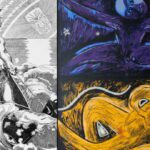 Te Ikawai
Similarly, the island of Yap has a creation story that involves the god Goddess of the Moon, who is said to have woven the first humans from the threads of the stars. This myth not only explains the origin of humanity but also establishes a connection between the people and the cosmos, highlighting the significance of the universe in their cultural worldview.
Common Elements in Creation Myths
- Divine Intervention: Most creation myths involve a deity or deities playing a crucial role in the formation of the world.
- Natural Phenomena: Many stories incorporate elements of nature, such as the ocean, mountains, and animals.
- Human Connection: The myths often emphasize the relationship between humans and the divine, illustrating their interdependence.
These creation stories are not only important for understanding the origins of the world but also serve to instill a sense of identity and belonging among the people. They are often recounted during important cultural events and rituals, ensuring that the wisdom of the past is passed down to future generations.
The Role of Myths in Daily Life
Myths in Micronesian cultures play a significant role in everyday life. They are not merely stories but are deeply intertwined with the social, spiritual, and cultural fabric of the communities. Myths often dictate rituals and practices, guiding the people in their interactions with nature and each other. For instance, agricultural myths may dictate when to plant and harvest crops, ensuring that the community thrives.
Moreover, myths often serve as a source of moral guidance. The stories of heroes and deities provide examples of virtuous behavior, teaching values such as honesty, bravery, and respect for elders. These lessons are crucial for maintaining social harmony and cohesion within the community. Parents often share these stories with their children, ensuring that the values are instilled from a young age.
Rituals and Ceremonies
- Seasonal Festivals: Many myths are celebrated during specific times of the year, marking important agricultural cycles.
- Coming-of-Age Ceremonies: Myths often play a role in rituals that signify the transition from childhood to adulthood.
- Funerary Rites: Stories of the afterlife and deities are often recounted during funerals to honor the deceased.
The connection between myths and rituals underscores the importance of storytelling in Micronesian cultures. These narratives are not only a means of entertainment but are essential for preserving the community’s history and values. They provide a sense of continuity and belonging, linking past generations with the present and future.
The Influence of Colonization on Micronesian Mythology
The arrival of European colonizers in the Pacific significantly impacted Micronesian mythology and culture. With colonization came new religions, languages, and cultural practices that often clashed with indigenous beliefs. Many traditional myths were suppressed or altered as missionaries sought to convert the local populations to Christianity. Despite this, many elements of traditional mythology have persisted, adapting to the changing cultural landscape.
For instance, some Micronesian communities have integrated Christian beliefs with their traditional myths, creating a unique blend of spirituality. This syncretism allows the people to maintain their cultural identity while embracing new religious practices. However, this blending has also led to a loss of some traditional stories and practices, as younger generations may gravitate towards the more dominant foreign influences.
Preservation Efforts
- Cultural Revitalization: Many communities are actively working to preserve their myths and traditions through education and cultural programs.
- Storytelling Events: Festivals and gatherings are organized to share traditional stories and keep the oral tradition alive.
- Documentation: Efforts are being made to record myths and legends in written form to ensure their survival.
The resilience of Micronesian mythology in the face of colonization is a testament to the strength of these cultures. By actively working to preserve their myths, the people of Micronesia continue to honor their ancestors and maintain a connection to their heritage. These efforts are crucial for ensuring that future generations can learn about their rich cultural history and the lessons embedded in their traditional stories.
Micronesian mythology is a vibrant and essential aspect of the cultural identity of the people living in this region. Through their deities, legendary figures, and creation myths, these stories convey important lessons and values that are integral to the community’s way of life. Despite the challenges posed by colonization and modernization, the people of Micronesia remain committed to preserving their rich mythology, ensuring that these stories continue to inspire and educate future generations.