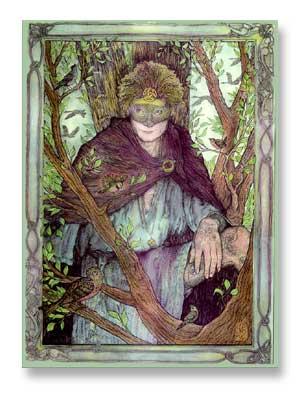
Tegid Foel is a fascinating figure in Welsh mythology, often associated with the magical and mystical elements of the ancient stories that shape the cultural landscape of Wales. He is primarily known as the husband of Blodeuwedd, a woman made from flowers, and plays a significant role in the tale of Lludd and Llefelys. The narrative surrounding Tegid Foel reveals much about the themes of love, transformation, and the connection between the human and the supernatural. In this article, we will explore the various aspects of Tegid Foel’s character, his story, and his place in Welsh mythology.
The Origins of Tegid Foel
The origins of Tegid Foel can be traced back to the Mabinogion, a collection of Welsh tales that date back to the 12th century. These stories have their roots in the oral traditions of the Celtic people, which makes them rich with symbolism and meaning. Tegid Foel is often depicted as a mighty lord and is associated with the mystical lake known as Llyn Tegid or Lake Bala. This lake is steeped in legend and is considered a place of enchantment and mystery. The character of Tegid Foel embodies the connection between nature and the supernatural, representing the interplay between the earthly realm and the otherworld.
 Taliesin
In the tales, Tegid Foel is portrayed as a figure of great wisdom and strength. He is not just a passive character; instead, he plays an active role in the events that unfold around him. His relationship with Blodeuwedd is a central theme in the stories, showcasing both the beauty and tragedy of love. Tegid Foel’s character can be seen as a representation of the ideal husband, loyal and devoted, yet ultimately caught in a web of fate that leads to sorrow and heartache.
The Story of Blodeuwedd
The story of Blodeuwedd is one of the most captivating tales in Welsh mythology. Blodeuwedd, whose name means “flower face,” was created by Tegid Foel and the wizard Gwydion from the blossoms of oak, broom, and meadowsweet. This creation symbolizes the beauty and fragility of nature. Tegid Foel’s role in this story highlights his connection to the magical world, as he is the one who provides the means for Gwydion to create Blodeuwedd. Their union is a representation of harmony between man and nature, a recurring theme in many mythological tales.
However, the tale takes a tragic turn when Blodeuwedd falls in love with Llew Llaw Gyffes, Tegid Foel’s nephew. Her infidelity leads to a series of events that culminate in her betrayal of Tegid Foel. This aspect of the story reflects the complexities of love and loyalty, as well as the consequences of choices made. Tegid Foel, though a figure of strength, finds himself at the mercy of fate and the actions of others, which adds a layer of depth to his character.
 Rhiannon
The Symbolism of Tegid Foel
Tegid Foel is rich in symbolism, embodying various elements of Welsh culture and mythology. One of the most significant symbols associated with him is the lake Llyn Tegid. Lakes in mythology often represent the subconscious, the hidden depths of the mind, and the connection to the spiritual realm. Tegid Foel’s association with this lake highlights his role as a bridge between the earthly and the mystical. The lake is a place where the boundaries of reality blur, and it serves as a backdrop for the unfolding of magical events.
Moreover, Tegid Foel’s character can also be seen as a representation of the natural world. His connection to Blodeuwedd, a being created from flowers, reinforces the theme of nature’s beauty and transience. This relationship serves as a reminder of the delicate balance between love and loss, creation and destruction. The symbolism surrounding Tegid Foel invites us to reflect on our own relationships with nature and the cycles of life that govern our existence.
The Legacy of Tegid Foel
The legacy of Tegid Foel extends beyond the tales of the Mabinogion. His story has been interpreted and retold in various forms of literature, art, and even modern adaptations. The themes present in his narrative resonate with audiences today, showcasing the timeless nature of these myths. Tegid Foel represents the complexities of human emotions, the struggle between duty and desire, and the consequences of our actions.
 Pwyll
PwyllIn contemporary culture, Tegid Foel’s character has inspired artists, writers, and filmmakers. His story has been adapted into plays, novels, and other creative works, allowing new generations to engage with Welsh mythology. The enduring appeal of Tegid Foel lies in his multifaceted nature, as he embodies both the noble and tragic aspects of life. His legacy serves as a reminder of the rich tapestry of Welsh culture and the importance of storytelling in preserving history and identity.
The Themes in Tegid Foel’s Story
The story of Tegid Foel is laden with themes that resonate deeply within the human experience. One of the most prominent themes is that of love and betrayal. The relationship between Tegid Foel and Blodeuwedd illustrates the complexities of love, highlighting how trust can be broken and how love can lead to unforeseen consequences. This theme serves as a cautionary tale about the fragility of relationships and the impact of choices made in the heat of passion.
- Transformation: The story also emphasizes the theme of transformation, both literal and metaphorical. Blodeuwedd’s creation from flowers symbolizes the beauty of nature, while her eventual betrayal transforms her into a figure of tragedy.
- Fate: The concept of fate plays a crucial role in the narrative. Tegid Foel’s life is shaped by forces beyond his control, reflecting the idea that our destinies are often intertwined with those of others.
- Nature: The connection to nature is another significant theme, as Tegid Foel’s character embodies the harmony between humanity and the natural world. This theme encourages respect and reverence for the environment.
These themes not only enhance the richness of Tegid Foel’s story but also provide valuable lessons for readers and audiences. They encourage introspection and a deeper understanding of the complexities of life, love, and the natural world.
The Influence of Welsh Mythology on Modern Culture
Welsh mythology, including the tales of Tegid Foel, has had a profound influence on modern culture. The stories have inspired countless works of literature, art, and film, allowing the rich traditions of Wales to reach a global audience. The themes and characters from these ancient tales resonate with contemporary issues, making them relevant even today. The allure of Welsh mythology lies in its ability to transcend time, offering insights into the human condition and the natural world.
In literature, many authors have drawn inspiration from Welsh mythology to create new narratives that explore similar themes. The character of Tegid Foel, with his connection to nature and the mystical, serves as a source of inspiration for writers seeking to delve into the complexities of love and the interplay between the human and the supernatural. His story has found its way into various genres, from fantasy to romance, showcasing the versatility of these ancient tales.
Conclusion: The Enduring Appeal of Tegid Foel
Tegid Foel’s story remains a captivating part of Welsh mythology, embodying themes that are both timeless and universal. His character serves as a reminder of the beauty and tragedy of love, the significance of nature, and the impact of fate on our lives. As we continue to explore and reinterpret these ancient tales, the legacy of Tegid Foel will undoubtedly endure, inviting new generations to engage with the rich tapestry of Welsh culture and mythology.