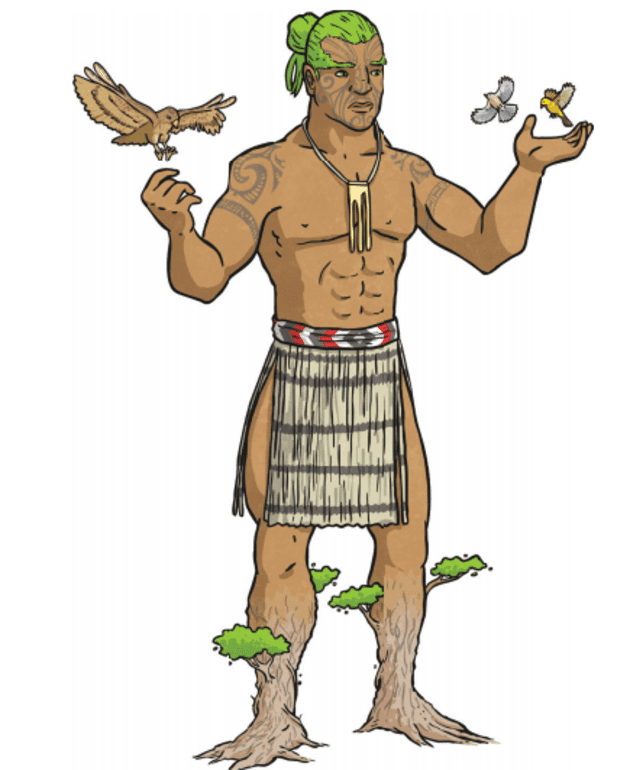
Tane is a significant figure in Maori mythology, revered as the god of forests and birds. His importance extends beyond mere guardianship; he represents the profound connection between nature and the Maori people. Tane is often associated with the creation of the natural world, particularly the vast forests and the diverse birdlife that inhabits them. In Maori culture, he is viewed as a protector of the environment, embodying the spirit of the land and the vital life it sustains. Understanding Tane requires delving into the rich tapestry of Maori beliefs, where mythology intertwines with the everyday lives of the people.
The Creation of Tane
Tane is one of the children of the primordial parents, Ranginui (the Sky Father) and Papatuanuku (the Earth Mother). According to Maori legends, Tane was born into a world where his parents were locked in an eternal embrace, leaving little room for light and growth. This confinement made it impossible for life to flourish on Earth. Tane, desiring to create a world filled with light and life, took it upon himself to separate his parents. With great strength and determination, he pushed Ranginui upward, creating space for the sun, moon, and stars to shine down upon the Earth.
 Tama-nui-te-ra
This act of separation is significant in Maori cosmology, symbolizing the beginning of the world as we know it. It allowed for the emergence of various life forms, including plants and animals. Tane’s role as a creator god emphasizes the importance of nature in Maori culture. His actions not only brought about the physical world but also established a deep spiritual connection between the Maori people and their environment. Tane is often depicted as a powerful figure, embodying the strength of the forests and the harmony of the natural world.
Tane and the Forests
Tane is primarily known as the god of forests, which is reflected in his guardianship over all plant life. The forests are not merely a collection of trees; they are sacred spaces that hold immense spiritual significance for the Maori people. Tane is believed to have created the first trees, which provided shelter and food for countless creatures. His connection to the forests highlights the Maori belief in kaitiakitanga, or guardianship of the environment, emphasizing the need to protect and respect the natural world.
In the forests, Tane is often accompanied by a variety of birds, which he is also known to protect. The forests serve as a habitat for many unique species, and Tane’s role as the god of birds further reinforces his significance in the ecological balance of the land. Maori legends tell of how Tane gifted the birds with their abilities, allowing them to soar through the skies and sing their beautiful songs. This relationship between Tane and the birds symbolizes the interconnectedness of all living things, a core principle in Maori philosophy.
 Tangaroa
Significant Trees in Maori Culture
- Kauri – Known for its massive size and longevity, the kauri tree is sacred to Tane and is often associated with strength and resilience.
- Totara – This tree is valued for its durable wood, which is used in carving and construction, reflecting Tane’s gifts to the Maori people.
- Rimu – A versatile tree that provides shelter and food, embodying Tane’s nurturing aspect.
The relationship between Tane and these trees illustrates the deep respect the Maori people have for their environment. Each tree holds its own stories and significance, often linked to Tane’s myths and teachings. Through these connections, the Maori people express their gratitude and reverence for the natural world, recognizing Tane as a vital force in their lives.
The Birds of Tane
As the god of birds, Tane is often depicted as a figure who not only created these creatures but also cares for them. Birds hold a special place in Maori culture, often seen as messengers between the spiritual and physical worlds. Tane’s connection to the birds symbolizes the importance of freedom and expression in Maori life. Many birds are associated with various legends and stories, showcasing their roles in the ecosystem and their significance in the cultural narrative.
Some of the most notable birds associated with Tane include the kereru (wood pigeon), the tui, and the kiwi. Each of these birds carries its own symbolism and stories within Maori culture. The kereru, for instance, is seen as a symbol of peace and is often featured in traditional songs and art. The tui, with its distinctive song, represents communication and connection, while the kiwi is a national icon, embodying the spirit of New Zealand. Tane’s role in creating and protecting these birds underscores the deep bond between the Maori people and their natural surroundings.
 Ruaumoko
Legends of Tane
Many legends surrounding Tane illustrate his importance and the lessons he imparts to the Maori people. One of the most famous stories is about Tane’s quest to obtain the knowledge of the ancestors. In this legend, Tane travels to the underworld to retrieve the sacred knowledge that would benefit humanity. His journey is fraught with challenges, but his determination and bravery shine through. This story reflects the values of perseverance and respect for knowledge, which are central to Maori culture.
Another well-known legend involves Tane and his relationship with the goddess of the sea, Hine-moana. In this story, Tane and Hine-moana fall in love, and their union brings forth various life forms that inhabit both land and sea. This narrative emphasizes the interconnectedness of all living beings and the balance that must be maintained between the land and the ocean. Tane’s relationship with Hine-moana serves as a reminder of the importance of harmony within nature.
Lessons from Tane’s Legends
- Respect for Nature – Tane’s stories emphasize the need to honor and protect the environment.
- Importance of Knowledge – The pursuit of wisdom and understanding is a recurring theme in Tane’s legends.
- Balance in Relationships – The stories often highlight the significance of maintaining harmony between different elements of nature.
These lessons are not only relevant to the Maori people but also resonate with broader themes of environmental stewardship and respect for the interconnectedness of life. Tane’s legends serve as a guide for living in harmony with nature and understanding the importance of every being in the ecosystem.
Tane in Contemporary Maori Culture
Today, Tane remains a central figure in Maori culture, symbolizing the enduring connection between the Maori people and their environment. His teachings and stories continue to be passed down through generations, serving as a source of inspiration and guidance. In contemporary Maori society, Tane’s legacy is reflected in various practices, including traditional carving, weaving, and storytelling.
Many Maori artists draw inspiration from Tane when creating works that celebrate nature and its beauty. The forests and birds associated with Tane often feature prominently in their art, reinforcing the cultural significance of these elements. Additionally, the principles of kaitiakitanga are increasingly recognized in environmental movements, with many Maori advocating for sustainable practices that honor Tane’s guardianship over the land.
Modern Interpretations of Tane
- Environmental Activism – Many Maori are at the forefront of movements to protect their natural heritage.
- Education – Schools and communities incorporate Tane’s stories to teach children about the importance of nature.
- Cultural Festivals – Events celebrating Maori culture often include tributes to Tane and his significance.
These modern interpretations of Tane highlight the relevance of Maori mythology in today’s world. As environmental challenges continue to grow, the teachings of Tane serve as a reminder of the importance of protecting the Earth and living in harmony with nature. The legacy of Tane is not just a part of the past; it is a living tradition that informs the values and actions of the Maori people today.
The Spiritual Significance of Tane
Tane’s role in Maori mythology extends beyond the physical realm; he embodies spiritual principles that guide the Maori way of life. His connection to the forests and birds represents the idea of mana, or spiritual power, that is present in all living things. Tane’s teachings emphasize the importance of respecting this mana and recognizing the sacredness of the natural world. For the Maori people, Tane is not just a god; he is a source of inspiration and a reminder of their responsibility to care for the environment.
Spiritual practices among the Maori often include rituals and ceremonies that honor Tane and the natural elements he represents. These practices reinforce the belief that the land, trees, and birds are not merely resources but sacred entities deserving of respect and protection. Tane’s teachings encourage a holistic view of the world, where every element is interconnected, and each being plays a vital role in the ecosystem.
Rituals and Ceremonies
- Planting Ceremonies – Rituals that honor Tane during tree planting, acknowledging his role in creation.
- Birdsong Festivals – Celebrations of the beauty of birds, paying homage to Tane’s guardianship.
- Storytelling Gatherings – Events where elders share Tane’s legends, preserving cultural heritage.
These rituals and ceremonies not only serve to honor Tane but also strengthen community bonds and foster a deeper understanding of the natural world. They are a testament to the enduring legacy of Tane and the vital role he plays in the spiritual life of the Maori people.
The Legacy of Tane
The legacy of Tane is profound and multifaceted, influencing not only the spiritual and cultural aspects of Maori life but also their relationship with the environment. His stories, teachings, and the values associated with him continue to shape the identity of the Maori people. As the god of forests and birds, Tane represents the essence of nature and the need to protect it for future generations.
In recent years, there has been a growing recognition of the importance of indigenous knowledge in addressing contemporary environmental challenges. Tane’s teachings about sustainability and respect for nature resonate with global movements advocating for environmental protection. The Maori people, inspired by Tane, are increasingly involved in initiatives aimed at preserving their land and resources, demonstrating that ancient wisdom can inform modern practices.
Global Influence
- Environmental Education – Maori perspectives on nature are being integrated into educational curricula worldwide.
- Cultural Exchange – The stories of Tane are shared in international forums, promoting understanding and respect for indigenous cultures.
- Sustainability Practices – Maori approaches to land management are being recognized as valuable contributions to global sustainability efforts.
Tane’s legacy serves as a reminder that the wisdom of the past can guide us toward a more sustainable and harmonious future. By honoring Tane and the teachings he represents, we can learn to live in balance with the natural world, fostering a deeper appreciation for the environment and the interconnectedness of all life.