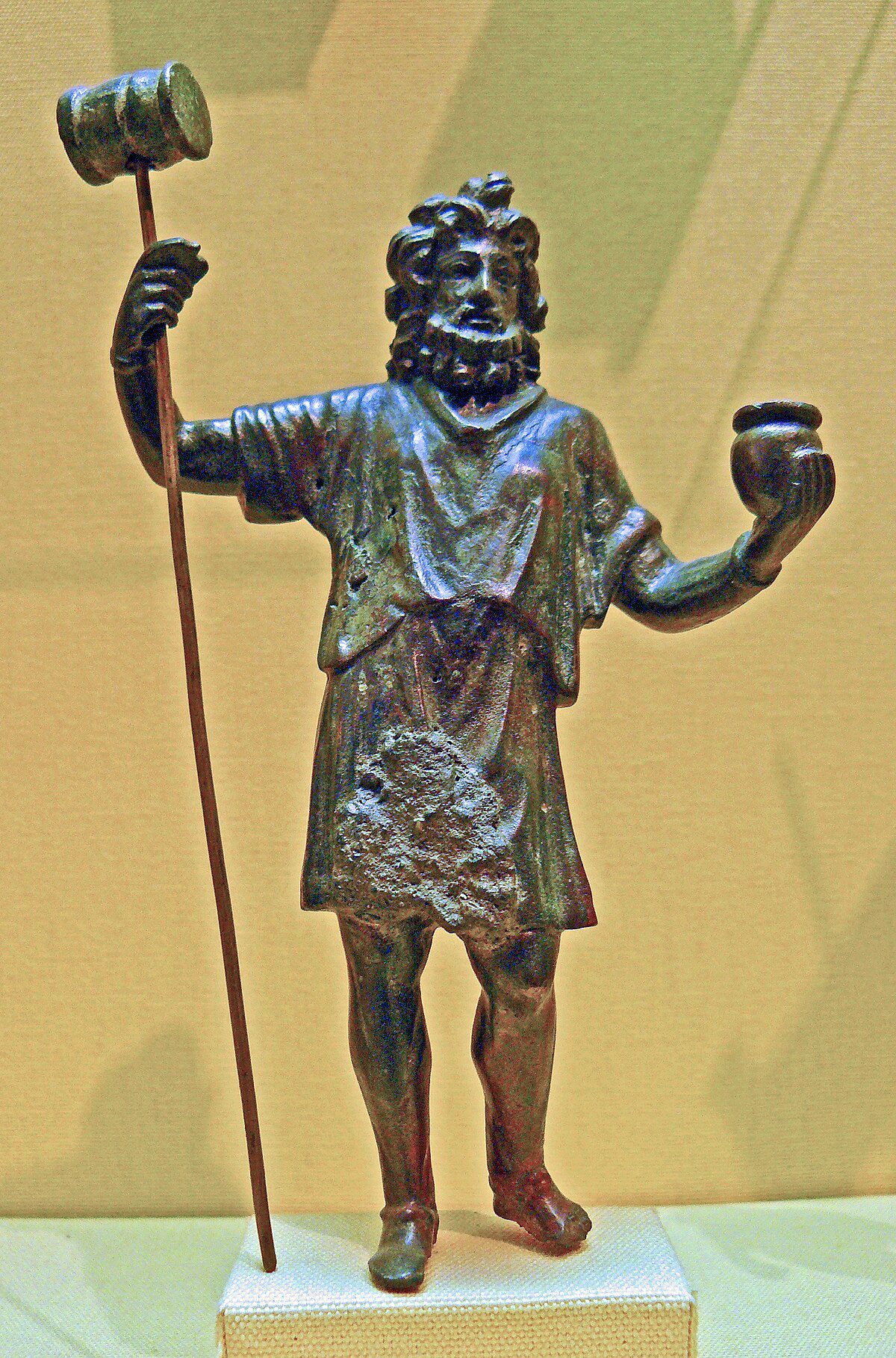
In Gaulish mythology, the term Sucellos refers to a prominent deity known for his association with agriculture, fertility, and the underworld. This god is often depicted with a hammer or a mallet, symbolizing his role in fertility and the cultivation of crops. Sucellos was worshipped by the Gauls, an ancient Celtic people who inhabited what is now modern-day France and parts of Belgium, Switzerland, and Italy. The mythology surrounding Sucellos offers insights into the spiritual beliefs of the Gauls and their relationship with nature, agriculture, and the afterlife. This article explores the various aspects of Sucellos, his significance, and the cultural context of his worship.
The Attributes of Sucellos
Sucellos is often depicted as a strong figure, embodying the qualities of a protector and a provider. He is frequently shown holding a mallet or a hammer in one hand, symbolizing his role in agriculture and the earth. The mallet is believed to represent the power to strike the ground and bring forth life, making him a vital figure in the cycle of planting and harvesting. Additionally, he is sometimes shown with a cup or a vessel, which signifies his connection to the rituals of drinking and feasting, further highlighting his role in community and abundance.
 Sequana
Another significant attribute of Sucellos is his association with the underworld. In many depictions, he is portrayed as a guardian of the dead, guiding souls to the afterlife. This duality of being both a god of life and death reflects the Gaulish understanding of the natural world, where life and death are intertwined. Sucellos embodies the idea that death is not an end but a transition, emphasizing the cyclical nature of existence. His role as a psychopomp, a guide for souls, further cements his importance in the spiritual beliefs of the Gauls.
The Worship of Sucellos
The worship of Sucellos was prevalent among the ancient Gauls, and archaeological evidence suggests that he was venerated in various forms across the region. Temples and shrines dedicated to Sucellos have been discovered, often adorned with symbols and artifacts related to agriculture and the afterlife. These sites served as places of worship where the Gauls would offer sacrifices and perform rituals to honor Sucellos, seeking his blessings for a fruitful harvest and protection for their deceased loved ones.
Rituals associated with Sucellos typically involved offerings of food, drink, and other items of value. The act of sacrifice was a crucial component of Gaulish religious practices, and it was believed that pleasing Sucellos would result in bountiful crops and prosperity for the community. In some instances, animals were sacrificed, and their remains were offered to the deity as a sign of devotion and gratitude. These rituals not only served to honor Sucellos but also strengthened the bonds within the community, as people gathered to participate in shared religious experiences.
 Rosmerta
The Symbolism of Sucellos
The symbolism of Sucellos is rich and multifaceted, reflecting the interconnectedness of life, death, and nature. His mallet represents the power of creation, while his association with the underworld signifies the inevitability of death. This duality highlights the Gaulish belief in the cyclical nature of existence, where life is continuously renewed through death and rebirth. The presence of Sucellos in various aspects of Gaulish life underscores the importance of agriculture and the earth in their culture.
- Fertility: Sucellos is seen as a fertility god, responsible for ensuring the growth of crops and the prosperity of the land.
- Death and the Afterlife: His role as a guide for souls emphasizes the belief in an afterlife and the importance of honoring the dead.
- Community and Ritual: The worship of Sucellos fosters a sense of community, as rituals bring people together to celebrate and seek his blessings.
In Gaulish mythology, the figure of Sucellos serves as a reminder of the importance of maintaining harmony with nature and respecting the cycles of life and death. His worship reflects the values of the Gauls, who relied heavily on the land for their survival and understood the need to honor the forces that governed their existence. Sucellos represents the deep connection between humans and the earth, illustrating the belief that the divine is present in all aspects of life.
 Ogmios
Iconography of Sucellos
The iconography associated with Sucellos is diverse, with various artistic representations found in archaeological sites throughout Gaul. Statues, altars, and pottery often depict him in a variety of poses, showcasing his attributes and significance. One common portrayal shows Sucellos holding his mallet raised high, as if ready to strike the earth, symbolizing his role in agriculture and creation. This imagery reinforces the idea that he is a powerful force in the natural world, capable of bringing forth life and abundance.
In addition to the mallet, Sucellos is frequently depicted with a cup or a drinking vessel, which signifies his connection to rituals and community gatherings. This aspect of his iconography highlights the importance of feasting and sharing food, reinforcing the idea that Sucellos not only provides for the land but also nurtures social bonds among the people. The imagery of Sucellos often emphasizes the joy and celebration that accompany agricultural abundance, showcasing the positive aspects of his influence on Gaulish society.
The Influence of Sucellos on Gaulish Culture
Sucellos played a significant role in shaping Gaulish culture and spirituality. His dual nature as a god of fertility and the underworld reflects the complexities of life and the Gauls’ understanding of their environment. The reverence for Sucellos is evident in various aspects of their daily lives, from agricultural practices to social gatherings. The agricultural calendar was often marked by festivals and rituals dedicated to Sucellos, celebrating the changing seasons and the cycles of planting and harvesting.
The influence of Sucellos extended beyond agriculture; he also impacted social structures and community relationships. The communal rituals held in his honor fostered a sense of unity among the Gauls, reinforcing the importance of collective identity and shared beliefs. These gatherings provided opportunities for storytelling, cultural exchange, and the reinforcement of social bonds, which were essential for the survival and cohesion of the community.
The Legacy of Sucellos
Though the ancient Gaulish civilization has long since faded, the legacy of Sucellos endures in various forms. Many of the traditions and beliefs associated with Sucellos have been integrated into modern cultural practices, particularly in regions where Celtic heritage remains strong. Festivals celebrating the changing seasons often draw inspiration from ancient rituals dedicated to deities like Sucellos, showcasing the enduring influence of these mythological figures on contemporary society.
Additionally, the study of Sucellos and Gaulish mythology has garnered interest among scholars and enthusiasts of ancient history. Research into the beliefs and practices of the Gauls has shed light on their worldview, offering valuable insights into the relationship between humans and the natural world. The enduring fascination with Sucellos serves as a reminder of the rich tapestry of human belief and the ways in which mythology shapes cultural identity.
Sucellos stands as a testament to the rich spiritual and cultural heritage of the ancient Gauls. His attributes, worship, and symbolism reflect the interconnectedness of life, death, and the earth. Through the study of Sucellos, we gain a deeper understanding of the values and beliefs that shaped Gaulish society and continue to resonate in modern culture. The legacy of Sucellos reminds us of the importance of honoring the natural world and the cycles of existence, fostering a sense of community and shared identity that transcends time.