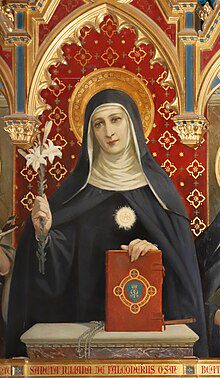
St. Juliana Falconiere is a significant figure in Christian mythology, particularly within the context of the Catholic Church. She is often celebrated for her deep spirituality and her commitment to the faith. Born in the 14th century, Juliana’s life was marked by her dedication to God and her efforts to serve others. Her story is not just one of personal piety but also of community service, as she worked tirelessly to help those in need. This article will explore her life, the miracles attributed to her, and her legacy in the Christian tradition.
Early Life and Background
St. Juliana Falconiere was born in the city of Falconiera, in the region of Italy. Historical records suggest that she was born into a noble family, which provided her with a privileged upbringing. However, despite her noble status, Juliana showed a profound interest in spirituality from a young age. Her family was known for their piety, and this environment undoubtedly influenced her early development. She was drawn to religious life and often spent time in prayer and contemplation, seeking a deeper connection with God.
 St. Julian The Hospitaller
As a young girl, Juliana experienced a series of visions that would shape her spiritual journey. These visions often included messages from God and the saints, urging her to dedicate her life to the service of others. It is said that she felt a calling to help the poor and the sick, which became a significant part of her life’s work. Juliana’s early experiences laid the foundation for her later accomplishments and established her as a revered figure in the Christian community.
Religious Life and Commitment
In her late teens, Juliana made the decision to enter a religious order. She joined the Order of Saint Augustine, which was known for its emphasis on community living and service. This choice reflected her deep commitment to her faith and her desire to live a life of humility and charity. Juliana quickly became known for her dedication and her ability to inspire others around her. Her fellow sisters admired her devotion and sought her guidance in their spiritual journeys.
 St. Julia
Throughout her life, Juliana demonstrated a remarkable ability to connect with people from all walks of life. She was particularly drawn to those who were suffering, whether from illness, poverty, or loneliness. Juliana believed that her mission was to bring comfort and healing to those in need. This belief drove her to establish various charitable initiatives, such as shelters for the homeless and care for the sick. Her selfless actions earned her a reputation as a saintly figure, and many began to seek her out for advice and assistance.
Miracles Attributed to St. Juliana
St. Juliana Falconiere is credited with several miracles that have contributed to her sainthood. These miracles often revolved around her ability to heal the sick and provide comfort to those in distress. One of the most well-known miracles occurred when a local family approached her for help. The family had a child who was gravely ill, and despite seeking medical assistance, the child’s condition continued to worsen. Juliana prayed fervently for the child, and miraculously, the child recovered fully within days. This event solidified her reputation as a healer and a saint.
Another miracle attributed to St. Juliana involved a drought that affected her community. The people were suffering from a lack of water, which threatened their crops and livelihoods. Juliana organized a day of prayer and fasting, urging the community to seek God’s intervention. After the day of prayer, rain fell abundantly, replenishing the water supply and saving the crops. This event further established her as a powerful intercessor before God.
 St. Jude
Legacy and Veneration
St. Juliana Falconiere’s legacy continues to inspire countless individuals today. Her life serves as a testament to the power of faith and the importance of serving others. She is venerated as a saint in the Catholic Church, and her feast day is celebrated on February 12. Many people, particularly those involved in charitable work, look to her as a model of compassion and selflessness.
In various parts of Italy and beyond, churches and institutions are named in her honor. These places serve not only as a reminder of her life and deeds but also as centers for community service and outreach. Many continue to seek her intercession in their prayers, believing in her ability to bring about miracles even today. Her story has been preserved through oral traditions and written accounts, ensuring that future generations can learn from her example.
Spiritual Teachings of St. Juliana
The teachings of St. Juliana Falconiere emphasize the importance of love, compassion, and service. She believed that true spirituality is not just about personal piety but also about how one interacts with others. Juliana often spoke about the need to see Christ in everyone, particularly in the most marginalized and vulnerable members of society. This perspective has influenced many Christian teachings and continues to resonate with those who strive to live out their faith actively.
Additionally, Juliana’s life encourages individuals to engage in prayer and reflection. She believed that a strong prayer life was essential for anyone wishing to deepen their relationship with God. Juliana often advocated for periods of silence and contemplation, allowing individuals to listen for God’s voice in their lives. Her teachings encourage believers to seek a balance between action and contemplation, recognizing that both are necessary for spiritual growth.
St. Juliana in Art and Culture
The life and miracles of St. Juliana Falconiere have inspired various forms of art and cultural expressions. Artists throughout history have depicted her in paintings, sculptures, and stained glass windows, often highlighting her role as a healer and a servant of the poor. These artistic representations serve to commemorate her life and remind viewers of her virtues. Many churches feature her image prominently, celebrating her contributions to the faith.
In literature, St. Juliana’s story has been shared in various forms, including biographies and hagiographies. These texts often focus on her miracles and her deep spirituality, providing insights into her character and the impact she had on her community. Furthermore, her life has been referenced in sermons and teachings, where clergy use her example to inspire congregations to live more virtuous lives.
Modern-Day Relevance
St. Juliana Falconiere’s message is still relevant today, especially in a world where many face significant challenges. Her emphasis on charity and service resonates with contemporary issues such as poverty, illness, and social injustice. Many organizations and charities draw inspiration from her life, seeking to emulate her dedication to helping those in need. This modern application of her teachings serves as a reminder that her legacy is not just historical but continues to inspire action in the present.
Moreover, St. Juliana’s example encourages individuals to reflect on their own lives and consider how they can contribute to their communities. Her life invites believers to ask themselves how they can serve others, whether through volunteering, providing support to those in need, or advocating for social justice. Her teachings challenge individuals to step out of their comfort zones and engage with the world around them in meaningful ways.
St. Juliana Falconiere stands as a beacon of hope and inspiration within Christian mythology. Her life is a testament to the power of faith, love, and service. As people continue to honor her memory and seek her intercession, her legacy lives on, encouraging others to follow in her footsteps. Her story reminds us that each of us can make a difference in the lives of others, and that through love and compassion, we can create a more just and caring world.