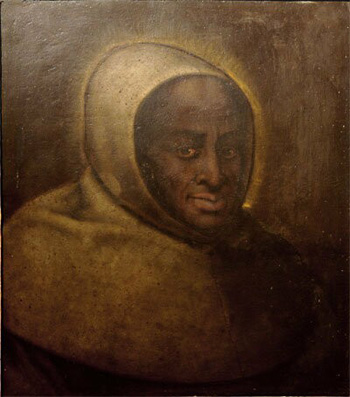
St. Benedict the Black, also known as St. Benedict of Palermo, is a fascinating figure in Christian mythology and history. He was born in the year 1526 in a small village near Palermo, Sicily. His life story is one of remarkable faith, resilience, and divine providence. St. Benedict was born into a poor family of African descent, which made his life journey particularly challenging during a time of racial and social inequality. His humble beginnings did not hinder his spiritual growth and eventual recognition as a saint. Instead, they served as a backdrop to his deep commitment to God and his community.
Early Life and Background
St. Benedict’s early life was marked by hardship and struggle. Growing up in a poor family, he learned the values of hard work and perseverance from a young age. His parents instilled in him a strong sense of faith, which would guide him throughout his life. Despite the challenges he faced, St. Benedict found solace in prayer and meditation. He often sought refuge in the woods, where he could commune with God away from the noise of the world. This connection with nature played a crucial role in shaping his spiritual life.
 St. Benedict Biscop
As a young man, St. Benedict worked as a shepherd. This job not only provided for his family but also allowed him to spend long hours in contemplation. It was during these solitary moments that he felt a profound calling to dedicate his life to God. St. Benedict began to explore the idea of monastic life, which was becoming increasingly popular during his time. The monastic communities were known for their rigorous spiritual practices and commitment to serving others. He felt drawn to this way of life, seeing it as a path to deepen his relationship with God.
At the age of 18, St. Benedict made a pivotal decision. He left his home and family to join a group of hermits living in the mountains of Sicily. This decision was not easy, as it meant leaving behind everything he had known. However, he was determined to pursue a life of holiness and service. The hermits welcomed him with open arms, recognizing his deep faith and commitment. Under their guidance, St. Benedict began to develop his spiritual practices and grow in wisdom.
 St. Benedict
Monastic Life
St. Benedict’s time with the hermits was transformative. He immersed himself in prayer, fasting, and study of the Scriptures. His dedication did not go unnoticed. Soon, others began to seek him out for spiritual guidance and counsel. St. Benedict’s reputation for holiness and wisdom spread throughout the region. People from various backgrounds came to him, seeking his insights and blessings. This influx of visitors marked the beginning of his role as a spiritual leader.
As more followers joined him, St. Benedict recognized the need for a structured community. He decided to establish a monastery where he could provide guidance and support to those who wished to pursue a similar path of devotion. The monastery became a place of refuge for many, offering a sense of belonging and purpose. St. Benedict emphasized the importance of community life, encouraging his followers to live in harmony and support one another in their spiritual journeys.
In creating his monastery, St. Benedict developed a set of guidelines known as the “Rule of St. Benedict.” This rule outlined the principles of monastic life, focusing on prayer, work, and community living. It emphasized the need for balance between contemplation and action, encouraging monks to engage in manual labor while also dedicating time to prayer and reflection. The Rule of St. Benedict became a foundational text for many monastic communities in the centuries that followed, influencing the development of Western monasticism.
 St. Bega
Spiritual Teachings
St. Benedict’s teachings were deeply rooted in the Christian tradition. He believed in the importance of humility and service as essential virtues for anyone seeking to grow in faith. He often reminded his followers that true greatness comes from serving others, not from seeking power or recognition. This message resonated with many, as it challenged societal norms and encouraged a spirit of generosity and compassion.
One of the core elements of St. Benedict’s spirituality was the practice of hospitality. He taught that every visitor should be treated with respect and kindness, as they might be an angel in disguise. This emphasis on hospitality created a welcoming atmosphere within his monastery, where everyone felt valued and cared for. St. Benedict’s approach to hospitality became a hallmark of monastic life, influencing how monks interacted with outsiders and each other.
Another significant aspect of St. Benedict’s teachings was the importance of prayer and meditation. He believed that a deep prayer life was essential for spiritual growth. St. Benedict encouraged his followers to engage in regular prayer, both individually and as a community. This commitment to prayer fostered a sense of connection with God and with one another. The rhythm of prayer and work became a central feature of monastic life, creating a balanced and harmonious environment.
Legacy and Canonization
St. Benedict the Black’s impact on the Christian community extended far beyond his lifetime. His teachings and the Rule he established continued to influence monastic life for centuries. After his death in 1589, many miracles were attributed to him, leading to a growing devotion among the faithful. People began to pray for his intercession in times of need, believing in his ability to perform miracles and provide guidance.
In recognition of his profound influence and holiness, St. Benedict was canonized by the Catholic Church. His feast day is celebrated on April 4th. The church honors him not only as a saint but also as a symbol of racial and social justice. St. Benedict the Black serves as a reminder that holiness transcends cultural and ethnic boundaries. His life exemplifies the idea that anyone, regardless of their background, can achieve greatness through faith and service.
Today, St. Benedict the Black is venerated in various parts of the world, especially in regions with a strong African heritage. His story continues to inspire countless individuals seeking to deepen their faith and live a life of service. Various organizations and communities have been established in his honor, promoting values of justice, equality, and compassion. Through these efforts, St. Benedict’s legacy lives on, encouraging new generations to embrace the principles he embodied.
St. Benedict the Black stands as a powerful figure in Christian mythology, representing the intersection of faith, service, and social justice. His life story serves as a testament to the transformative power of faith and the importance of community. Through his teachings and example, he continues to inspire individuals to seek a deeper relationship with God and to serve others with love and compassion.