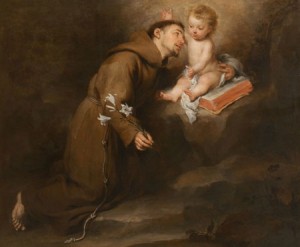
St. Anthony of Padua is one of the most beloved saints in the Christian tradition. Born in 1195 in Lisbon, Portugal, he was originally named Fernando Martins de Bulhões. He later became a member of the Franciscan Order and adopted the name Anthony. His life was dedicated to serving God and spreading the teachings of Jesus Christ. St. Anthony is especially known for his powerful sermons, his ability to perform miracles, and his deep compassion for the poor and marginalized. Over the centuries, he has become a symbol of hope and faith for many believers around the world.
The Early Life of St. Anthony
St. Anthony was born into a wealthy family, which provided him with a good education. His parents were devout Catholics, and they instilled in him a strong sense of faith from an early age. As a young man, he was drawn to the religious life. At the age of 15, he joined the Augustinian Order, where he dedicated himself to a life of prayer and study. However, he felt a calling to serve the poor and marginalized more directly. This led him to join the Franciscans, a movement founded by St. Francis of Assisi that emphasized poverty and humility.
 St. Antoninus Of Florence
After joining the Franciscans, St. Anthony took on a new name and a new mission. He traveled to Italy, where he began to preach the Gospel. His sermons were passionate and engaging, drawing large crowds. People were captivated by his eloquence and the depth of his message. St. Anthony’s ability to communicate complex theological concepts in a simple and relatable way made him a popular figure among both the educated and uneducated. His early life set the stage for his later accomplishments as a saint and a preacher.
The Ministry of St. Anthony
St. Anthony’s ministry was marked by his deep commitment to spreading the message of Christ. He traveled extensively throughout Italy, preaching in towns and villages. His teachings emphasized love, forgiveness, and the importance of caring for the poor. He often spoke about the need for a personal relationship with God, urging his listeners to seek a deeper understanding of their faith. His ability to connect with people on a personal level made him a beloved figure.
 St. Anthony Mary Zaccaria
In addition to preaching, St. Anthony was known for his miraculous deeds. Many stories of his miracles have been passed down through the centuries. For example, he is often credited with restoring sight to the blind, healing the sick, and even raising the dead. These miracles served to strengthen the faith of those who witnessed them and attracted even more followers to his message. St. Anthony’s reputation as a miracle worker spread far and wide, and he became known as the patron saint of lost things.
St. Anthony as the Patron Saint of Lost Things
One of the most famous aspects of St. Anthony’s legacy is his role as the patron saint of lost things. Many people turn to him in times of need, especially when they have lost something important. This practice has become a significant part of the devotion to St. Anthony. Believers often pray to him, asking for his intercession in finding lost items. This tradition is rooted in the belief that St. Anthony’s compassion extends to all aspects of life, including the small, everyday struggles that people face.
The stories of St. Anthony helping people find lost objects are numerous and often heartwarming. People recount how they prayed to him and then miraculously found their lost items shortly after. This connection between St. Anthony and lost things has made him a household name in many cultures. In fact, it is common to hear phrases like “Tony, Tony, look around. Something’s lost and must be found” as a playful invocation of his help.
 St. Anthony Mary Claret
The Legacy of St. Anthony
St. Anthony’s impact on Christianity is profound and lasting. He was canonized as a saint just a year after his death in 1231, reflecting the deep admiration and respect people had for him during his lifetime. His feast day is celebrated on June 13th, and it is a time when many people gather to honor his memory and contributions to the faith. Churches and communities often hold special services and processions in his honor.
Throughout the centuries, St. Anthony has been depicted in art and literature, further cementing his legacy. Artists have portrayed him holding the infant Jesus, symbolizing his deep faith and love for God. In addition, many churches are named after him, serving as places of worship and pilgrimage for those seeking his intercession. His influence can be seen not only in religious practices but also in the cultural fabric of societies that honor him.
St. Anthony’s Spiritual Teachings
The teachings of St. Anthony continue to resonate with believers today. He emphasized the importance of love and compassion, urging his followers to care for those in need. His sermons often highlighted the call to serve others, reflecting the teachings of Jesus. St. Anthony believed that true faith is expressed through action, and he lived this principle throughout his life. His teachings encourage people to be active participants in their communities and to extend a helping hand to those less fortunate.
Another key aspect of St. Anthony’s spirituality is the importance of prayer. He encouraged his followers to develop a strong prayer life, emphasizing that prayer is a vital means of communication with God. St. Anthony’s own life was marked by deep prayer and contemplation, which fueled his passion for preaching. He often reminded people that prayer should not only be about asking for help but also about listening and growing in one’s relationship with God.
St. Anthony in Popular Culture
The influence of St. Anthony extends beyond religious contexts into popular culture. Many people wear medals or carry statues of St. Anthony as a sign of their faith and devotion. His image can be found in homes, churches, and even public spaces, serving as a reminder of his teachings and miracles. Additionally, his story has inspired numerous books, films, and songs that celebrate his life and message.
St. Anthony’s popularity can also be seen in the various festivals and events held in his honor. Many communities organize celebrations that include food, music, and prayer, creating a sense of unity and joy among participants. These events often attract people of all ages, highlighting the enduring appeal of St. Anthony’s message. His life serves as a source of inspiration, encouraging individuals to live out their faith in meaningful ways.
Conclusion: The Continuing Relevance of St. Anthony
St. Anthony of Padua remains a vital figure in Christian mythology, embodying the principles of love, compassion, and service. His life and teachings continue to inspire countless individuals, providing guidance and hope in their spiritual journeys. As people face various challenges in life, the legacy of St. Anthony serves as a reminder of the power of faith and the importance of reaching out to others in love.
In a world where many feel lost or overwhelmed, the stories of St. Anthony’s miracles and his role as the patron saint of lost things resonate deeply. His ability to connect with people and offer assistance in times of need makes him a beloved figure across cultures. As long as people seek connection with the divine and strive to embody the teachings of love and compassion, the spirit of St. Anthony will continue to thrive.