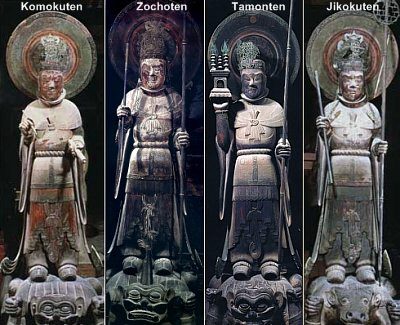
The term Shitenno refers to the Four Heavenly Kings in Buddhist mythology. These deities are important figures in various schools of Buddhism, particularly in East Asian traditions. They are known for their protective roles, guarding the four cardinal directions. Each of the Shitenno is associated with a specific direction and element, and they play a significant role in the protection of the Buddhist teachings and the faithful. Their depictions can be found in temples, statues, and various artworks across Asia, illustrating their importance in the spiritual landscape.
The Origins of Shitenno
The origins of the Shitenno can be traced back to ancient Indian beliefs before they were integrated into Buddhist mythology. In Hinduism, these figures are known as the Lokapalas, or guardians of the world. As Buddhism spread from India to China and Japan, the concept of these protective deities was adapted and transformed. The Shitenno became symbols of strength and guardianship, embodying the ideals of protection against evil forces. Their incorporation into Buddhist practices highlights the adaptability of religious beliefs as they travel across cultures.
 Shaka Nyorai
Each of the Shitenno is associated with specific characteristics and powers that reflect their roles as protectors. The four kings are Vaiśravaṇa, who guards the north and represents wealth; Dhrtarastra, who protects the east and symbolizes righteousness; Virudhaka, the guardian of the south who embodies growth; and Vajrapani, who watches over the west and represents power. This division not only signifies their protective roles but also highlights their connection to various aspects of life, such as prosperity, morality, and strength.
The Roles of Shitenno
The Shitenno serve multiple roles within Buddhist mythology. Primarily, they are seen as protectors of the Buddhist teachings, ensuring that the Dharma remains safe from harm. They are often depicted in temples, standing guard at the entrance to signify their protective nature. This visual representation serves as a reminder to the faithful of the spiritual protection offered by these deities. Their presence is believed to ward off negative energies and evil spirits, creating a safe space for worship and meditation.
In addition to their protective roles, the Shitenno also symbolize the interconnectedness of the universe. Each king represents different elements and directions, emphasizing the balance required in life. The teachings associated with each Shitenno encourage followers to seek harmony within themselves and their surroundings. This idea of balance is central to Buddhist philosophy, highlighting the importance of understanding one’s place in the world and the impact of one’s actions on the greater universe.
 Samantabhadrī
Symbolism of the Shitenno
The symbolism associated with the Shitenno is rich and varied, reflecting their multifaceted roles within Buddhist mythology. Each king is often depicted with specific attributes that represent their powers and responsibilities. For instance, Vaiśravaṇa is frequently shown holding a pagoda or a treasure vase, symbolizing wealth and abundance. This imagery reinforces the idea that he is a protector of both material and spiritual prosperity. In contrast, Dhrtarastra is often depicted with a musical instrument, representing harmony and the cultivation of righteousness.
The Shitenno are also associated with specific colors that further enhance their symbolism. For example, Vaiśravaṇa is usually depicted in yellow, representing wealth and abundance, while Dhrtarastra is often shown in white, symbolizing purity and righteousness. Virudhaka, the guardian of the south, is depicted in green, representing growth and vitality, and Vajrapani is shown in blue, symbolizing power and protection. These colors not only help to identify each king but also deepen the understanding of their spiritual significance.
Worship and Rituals
Worship of the Shitenno is an integral part of many Buddhist practices, especially in East Asia. Devotees often offer prayers and rituals to invoke the protection and blessings of these deities. Temples dedicated to the Shitenno can be found throughout countries like Japan, China, and Korea, where their statues are prominently displayed. Pilgrims and worshippers visit these temples to seek guidance, protection, and blessings in their daily lives.
 Samantabhadra
Rituals involving the Shitenno often include offerings of incense, flowers, and food. These offerings are meant to honor the kings and express gratitude for their protection. Additionally, many Buddhist ceremonies incorporate invocations to the Shitenno, asking for their assistance in overcoming obstacles and challenges. This practice emphasizes the importance of acknowledging the divine forces that are believed to influence one’s life.
Artistic Representations
The Shitenno have been depicted in various forms of art throughout history, reflecting their significance in Buddhist culture. Statues, paintings, and carvings often illustrate the kings in their traditional forms, complete with their distinct attributes and colors. In Japanese temples, large wooden statues of the Shitenno can be found, showcasing intricate craftsmanship and attention to detail. These artistic representations serve not only as objects of worship but also as educational tools, conveying the stories and teachings associated with each king.
In addition to traditional representations, modern interpretations of the Shitenno have emerged in contemporary art. Artists have taken inspiration from these deities to create new works that reflect modern sensibilities while still honoring the original symbolism. This evolution in artistic representation highlights the ongoing relevance of the Shitenno in today’s spiritual landscape, demonstrating how ancient beliefs can adapt to contemporary expressions.
The Shitenno in Popular Culture
The influence of the Shitenno extends beyond religious contexts into popular culture. They have appeared in various forms of media, including literature, films, and video games. Their depictions often draw upon their traditional characteristics and roles, introducing these deities to new audiences. This crossover into popular culture helps to keep the stories and teachings of the Shitenno alive, allowing them to reach individuals who may not be familiar with Buddhist mythology.
For example, in video games, the Shitenno are often portrayed as powerful guardians or protectors that players must confront or seek aid from. These representations can introduce players to the rich mythology surrounding these figures, prompting interest in learning more about their historical and spiritual significance. Similarly, films and television shows have incorporated elements of the Shitenno, showcasing their importance in various narratives and highlighting the cultural heritage they represent.
The Shitenno and Their Influence on Buddhism
The Shitenno have had a profound influence on the development and practice of Buddhism, particularly in East Asian countries. Their protective roles have shaped the way temples are designed and how rituals are performed. Many temples feature the Shitenno prominently, often at the entrance, serving as a reminder of their guardianship over the sacred space. This architectural choice reflects the deep-rooted belief in their power to ward off negativity and protect the teachings of the Buddha.
Furthermore, the Shitenno’s teachings on balance and harmony resonate with core Buddhist principles. They encourage followers to cultivate virtues such as compassion, wisdom, and strength in their daily lives. This alignment with Buddhist philosophy reinforces the significance of the Shitenno as not only protectors but also as exemplars of the qualities that practitioners strive to embody. Their influence can be seen in the way Buddhist communities engage with their beliefs, fostering a sense of connection to the divine.
The Future of Shitenno in Buddhist Practice
As society continues to evolve, the role of the Shitenno in Buddhist practice may also change. Modern practitioners are finding new ways to connect with these deities, adapting rituals and worship to fit contemporary lifestyles. This evolution can lead to a deeper understanding of the Shitenno and their significance, allowing them to remain relevant in a fast-paced world. Engaging with the Shitenno through meditation, art, and community activities can help foster a sense of connection and reverence among practitioners.
Additionally, as interest in Buddhism grows worldwide, the Shitenno may become more recognized beyond their traditional cultural contexts. This increased visibility can encourage dialogue about their roles and the teachings associated with them, fostering a greater appreciation for the richness of Buddhist mythology. As more people explore these spiritual practices, the Shitenno will likely continue to inspire and protect those who seek their guidance.