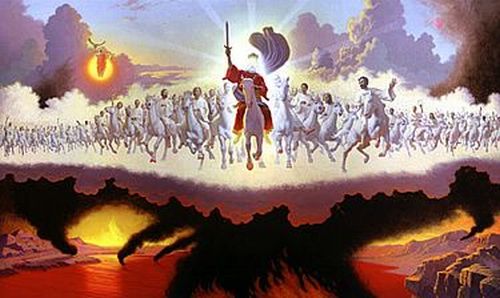
Sabaoth is a term that holds significant meaning in various religious contexts, particularly in Christianity and Judaism. It is often associated with the concept of divine armies and is used to refer to God as the “Lord of Hosts.” The term itself comes from the Hebrew word “Tzevaot,” which translates to “hosts” or “armies.” This article will explore the various aspects of Sabaoth, including its origins, interpretations, and the role it plays in angelology. We will delve into how Sabaoth is understood in different religious traditions, its connection to angels, and its impact on worship and theology.
Origins of Sabaoth
The term Sabaoth has its roots in ancient Hebrew texts, particularly in the Hebrew Bible, where it is frequently used to describe God’s power and authority. The phrase “Yahweh Sabaoth” translates to “the Lord of Hosts,” emphasizing God’s command over the celestial armies. In the Old Testament, Sabaoth appears in various contexts, often indicating God’s might in battle or His ability to protect His people. This term reinforces the idea that God is not only a personal deity but also a powerful ruler who commands legions of angels.
 Sabathiel
In the Book of Isaiah, for instance, the prophet often refers to God as Sabaoth, showcasing His supremacy over the nations. The use of this term illustrates the belief that God is actively involved in the affairs of humanity, particularly during times of conflict. The armies of heaven, represented by angels, are seen as instruments of God’s will on Earth. This duality of Sabaoth as both a protector and a warrior is central to understanding its significance in religious thought.
Sabaoth in Christian Theology
In Christian theology, Sabaoth is frequently mentioned in the context of worship and prayer. The term is often invoked to highlight God’s omnipotence and His role as a protector of the faithful. Many Christian denominations include “Lord God of Sabaoth” in their liturgical prayers, reinforcing the idea that God is the ultimate authority over all creation. This usage emphasizes the belief that God is not only a loving father but also a mighty warrior who defends His people against evil forces.
The concept of Sabaoth also finds its way into Christian eschatology, where it is believed that God will ultimately triumph over evil in the final battle. The imagery of the “Lord of Hosts” serves to remind believers of the power and authority that God wields, offering comfort in times of distress. The assurance that God commands an army of angels to assist and protect His followers is a recurring theme in Christian teachings, reinforcing faith and trust in divine intervention.
 Sablo
SabloSabaoth in Jewish Tradition
In Judaism, the term Sabaoth carries a similar weight as in Christianity, signifying God’s sovereignty and power. The Jewish tradition emphasizes God’s role as the leader of the heavenly hosts, which includes various orders of angels. These angels are believed to serve specific functions, such as delivering messages, protecting individuals, and executing God’s will on Earth. The concept of Sabaoth is deeply woven into Jewish prayers, particularly in the Amidah, where the phrase “God of Hosts” is invoked to acknowledge God’s might.
Jewish texts, including the Talmud and Midrash, elaborate on the roles of angels within the framework of Sabaoth. These texts describe how angels are organized into different ranks and how they carry out God’s commands. The imagery of God as a general leading His celestial army is prevalent, emphasizing the belief that He is always in control, even in the face of adversity. This understanding of Sabaoth as a protector and leader resonates deeply within Jewish worship and community life.
The Role of Angels in Sabaoth
Angels play a crucial role in the concept of Sabaoth, acting as messengers and warriors of God. In both Christian and Jewish traditions, angels are seen as beings created by God to fulfill specific purposes. They are often depicted as powerful entities that carry out God’s will on Earth, whether it be delivering messages, providing guidance, or engaging in spiritual warfare against evil forces. The notion of angels as part of God’s heavenly army is central to the understanding of Sabaoth.
 Sabrael
- Messengers: Angels often serve as messengers, conveying God’s words and intentions to humanity. This role is exemplified by figures like Gabriel, who delivers important announcements in both the Bible and Jewish texts.
- Protectors: Many believers invoke angels as guardians, seeking their protection in times of danger. The concept of guardian angels is prevalent in both traditions, providing comfort and assurance to the faithful.
- Warriors: Angels are also depicted as warriors, engaging in spiritual battles against demonic forces. This aspect of their role is highlighted in texts that describe heavenly armies led by God.
The relationship between Sabaoth and angels underscores the belief in a spiritual hierarchy where angels serve God and carry out His commands. This understanding fosters a sense of reverence and awe among believers, as they recognize the power and authority of both God and His celestial messengers. The imagery of a divine army reinforces the idea that God is always present and active in the world, fighting for the well-being of His people.
Sabaoth in Worship and Liturgy
The invocation of Sabaoth in worship and liturgy serves to remind believers of God’s omnipotence and His active role in their lives. In many religious services, prayers are directed to the “Lord of Hosts,” acknowledging His authority and power. This practice is prevalent in both Jewish and Christian worship, where the term is used to invoke God’s presence and protection. The repeated use of Sabaoth in prayers helps to cultivate a sense of reverence and humility among worshippers.
In Christian liturgies, the phrase “Holy, Holy, Holy, Lord God of Sabaoth” is often sung during Mass, emphasizing the sanctity and power of God. This hymn not only honors God’s majesty but also serves as a reminder of His ongoing involvement in the world. Similarly, in Jewish prayers, the invocation of Sabaoth reinforces the belief that God is actively engaged in the affairs of humanity, providing support and guidance to His people.
Symbolism of Sabaoth
The symbolism of Sabaoth extends beyond its literal meaning, representing various themes within religious thought. One of the most prominent symbols associated with Sabaoth is the idea of divine protection. The imagery of God as a mighty warrior leading an army of angels provides believers with a sense of security, knowing that they are not alone in their struggles. This protective aspect of Sabaoth encourages faith and trust in God’s plans, especially during difficult times.
Another significant symbol is the concept of divine authority. Sabaoth embodies the idea that God is the ultimate ruler, commanding both heavenly and earthly realms. This authority is reflected in the belief that all creation is under God’s control, reinforcing the notion that nothing happens without His knowledge and permission. The acknowledgment of Sabaoth as the “Lord of Hosts” serves as a reminder of God’s power and sovereignty over all aspects of life.
Interpretations Across Different Faiths
The interpretation of Sabaoth varies across different faiths, highlighting the unique perspectives each tradition brings to the concept. In Christianity, Sabaoth is often associated with the idea of spiritual warfare, emphasizing the battle between good and evil. This interpretation encourages believers to seek God’s protection and guidance as they navigate their spiritual journeys. The notion of Sabaoth as a warrior God resonates deeply within Christian teachings, offering hope and strength in times of trial.
In contrast, Jewish interpretations of Sabaoth tend to focus more on God’s role as a protector and leader. The emphasis is placed on the relationship between God and His people, highlighting His commitment to their well-being. This understanding fosters a sense of community and reliance on divine guidance, encouraging believers to turn to God in times of need. The communal aspect of Sabaoth in Jewish tradition reinforces the belief that God is intimately involved in the lives of His followers.
Contemporary Relevance of Sabaoth
In contemporary society, the relevance of Sabaoth remains significant for many believers. The concept of a powerful and protective God resonates with individuals facing various challenges, providing a source of strength and comfort. In times of uncertainty, the belief in Sabaoth serves as a reminder that God is actively involved in the world, offering hope and assurance to those who seek His guidance. This relevance is particularly evident in moments of crisis, where the invocation of Sabaoth can bring solace and encouragement.
Furthermore, the symbolism of Sabaoth as a divine protector encourages individuals to cultivate their faith and trust in God. The understanding that God commands an army of angels to assist and support His people fosters a sense of empowerment and resilience. Many believers find solace in the belief that they are not alone in their struggles, and that divine assistance is always within reach. This contemporary relevance of Sabaoth continues to inspire and uplift individuals in their spiritual journeys.
As we explore the multifaceted nature of Sabaoth, it becomes clear that this term holds deep significance in religious thought. From its origins in ancient texts to its contemporary relevance, Sabaoth embodies the themes of divine protection, authority, and the active involvement of God in the lives of believers. The connection between Sabaoth and angels highlights the belief in a spiritual hierarchy where divine beings serve to fulfill God’s will. Ultimately, Sabaoth serves as a powerful reminder of God’s presence, strength, and unwavering commitment to His people.