Angels are often depicted as ethereal beings of light, possessing great wisdom and power. They are commonly associated with various religious beliefs and spiritual practices around the world. The concept of angels transcends cultural boundaries, appearing in numerous traditions and texts. In this article, we will explore the fascinating world of angels, focusing on their significance, characteristics, and roles in different cultures. We will delve into the various types of angels, their appearances in sacred texts, and their impact on human lives.
The Nature of Angels
Angels are generally considered to be messengers of the divine, serving as intermediaries between God and humanity. Their primary role is to convey messages, provide guidance, and offer protection. Many people believe that angels are created beings, existing outside of time and space, and endowed with a unique purpose. In many religious traditions, angels are seen as guardians who watch over individuals and communities, ensuring their safety and well-being.
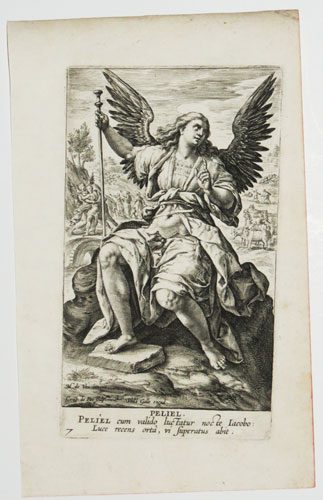
 Peniel
In terms of their nature, angels are often described as having a radiant appearance, often depicted with wings and glowing auras. This imagery symbolizes their connection to the divine and their ability to transcend the physical realm. However, their true essence is believed to be beyond human comprehension. They are often thought to possess a level of intelligence and understanding that far exceeds that of humans, allowing them to fulfill their roles with great efficacy.
The Different Types of Angels
Angels can be classified into various categories based on their roles and functions. In many religious texts, they are divided into hierarchies, each serving a specific purpose. Here are some of the most recognized types of angels:
- Seraphim: These angels are often described as the highest order of angels, known for their intense love and devotion to God.
- Cherubim: Often depicted as guardians of divine mysteries, cherubim are associated with knowledge and wisdom.
- Archangels: These angels serve as leaders among the heavenly hosts, often delivering important messages to humanity.
- Guardian Angels: Believed to be assigned to individuals, guardian angels provide protection and guidance throughout a person’s life.
- Fallen Angels: These are angels who have rebelled against God and are often associated with evil or temptation.
Each type of angel has its own distinct characteristics and responsibilities. For instance, the seraphim are often associated with fire and love, while the cherubim are linked to knowledge and enlightenment. Archangels, such as Michael and Gabriel, play crucial roles in delivering messages and leading other angels in their missions. Understanding these classifications helps to appreciate the diverse roles that angels play in various spiritual narratives.
 Pesagniyah
Angels in Religious Texts
Angels are prominent figures in many religious texts, serving as essential elements of the narrative. In Christianity, angels are mentioned throughout the Bible, from the Old Testament to the New Testament. They often appear at pivotal moments, delivering messages from God or providing assistance to key figures. For example, the angel Gabriel announced the birth of Jesus to Mary, signifying the importance of their role in divine communication.
In Islam, angels are also highly revered. The Qur’an describes angels as beings created from light, who carry out God’s commands. They are considered protectors of individuals and are present at significant events in a person’s life. The archangel Gabriel, known as Jibril in Arabic, is particularly important as he is believed to have revealed the Qur’an to the Prophet Muhammad.
Key Angels in Religious Texts
- Michael: Known as the protector and leader of the heavenly armies.
- Gabriel: The messenger angel who conveys important announcements.
- Raphael: Associated with healing and guidance, often depicted in various stories.
- Lucifer: Originally an angel of light, he became a fallen angel after rebelling against God.
These angels play significant roles in their respective narratives, influencing the course of events and the lives of individuals. Their appearances often symbolize divine intervention and guidance, highlighting the belief in a higher power that cares for humanity.
 Phaleg
Angels in Popular Culture
Beyond religious texts, angels have permeated popular culture, appearing in literature, films, and art. They are often depicted as symbols of hope, love, and protection. In movies, angels are portrayed in various ways, from the benevolent guardian to the more complex and sometimes flawed characters. This portrayal reflects humanity’s fascination with the idea of divine beings and their influence on our lives.
In literature, angels have been used as metaphors for various themes, including redemption, sacrifice, and the struggle between good and evil. Many authors have explored the concept of angels in their works, presenting them as both protectors and challengers of humanity. This duality adds depth to their characters and allows for a broader exploration of moral and ethical dilemmas.
Angelic Imagery in Art
- Renaissance Art: Angels were often depicted in religious paintings, symbolizing divine presence.
- Modern Art: Artists continue to explore the concept of angels, sometimes in abstract or unconventional ways.
- Literature and Poetry: Many writers have drawn inspiration from angels, using them to convey complex emotions.
The representation of angels in art often reflects the cultural and historical context of the time. Their portrayal can range from traditional and serene to contemporary and thought-provoking, showcasing the evolving understanding of these celestial beings.
Personal Experiences with Angels
Many individuals report personal experiences involving angels, often describing them as moments of profound comfort and guidance. These experiences can manifest in various ways, such as feeling an inexplicable sense of peace during difficult times or encountering a sudden insight that leads to a positive change in one’s life. Such experiences can be deeply transformative, reinforcing the belief in the presence of angels in everyday life.
People often share stories of how they felt a guardian angel’s presence during challenging situations. These accounts frequently describe a feeling of being watched over or guided in moments of crisis. Whether through a chance encounter with a stranger who offers help or an intuitive feeling that leads to a safe decision, many believe these moments are signs of angelic intervention.
Common Themes in Angel Experiences
- Protection: Many people report feeling safe during perilous situations.
- Guidance: Intuitive insights that lead to better decisions are often attributed to angels.
- Comfort: Individuals often describe a profound sense of peace during times of grief or loss.
These personal accounts contribute to the broader understanding of angels and their significance in human life. They reinforce the idea that angels are not merely distant celestial beings but can be an integral part of our daily experiences.
The Significance of Angels in Spirituality
Angels hold a significant place in various spiritual practices, often serving as guides and protectors on an individual’s spiritual journey. Many people turn to angels for support during times of uncertainty or emotional turmoil. The belief in angels can provide a sense of comfort and reassurance, helping individuals navigate the challenges of life.
In many spiritual traditions, invoking the presence of angels is a common practice. This can involve prayer, meditation, or rituals designed to connect with these celestial beings. Individuals may seek the assistance of specific angels, depending on their needs, such as healing, protection, or guidance. This practice highlights the personal relationship many people feel they can cultivate with angels.
Practices to Connect with Angels
- Meditation: Many people meditate to quiet their minds and invite angelic presence.
- Prayer: Invoking angels through prayer can be a powerful way to seek their guidance.
- Journaling: Writing down thoughts and feelings can help clarify one’s intentions and invite angelic support.
These practices can foster a deeper connection to the spiritual realm and enhance the individual’s understanding of their purpose and path in life. The belief in angels can serve as a source of inspiration, motivating individuals to strive for personal growth and spiritual enlightenment.
Throughout history, angels have captured the imagination of humanity, serving as symbols of hope, guidance, and protection. Their presence is felt across various cultures and spiritual traditions, reflecting the universal desire for connection with the divine. As we continue to explore the significance of angels, we can appreciate the profound impact they have on our lives and the enduring belief in their existence.