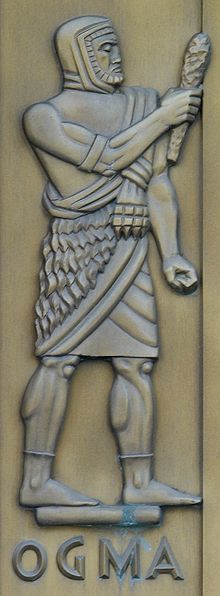
Ogma is a significant figure in Irish mythology, known primarily as a god of eloquence and language. He is often depicted as a warrior and a poet, embodying the duality of strength and intellect. His association with language is particularly important, as he is credited with the invention of the Ogham script, an ancient form of writing used in Ireland. This script not only served as a means of communication but also as a way to convey knowledge and history, which Ogma is said to have mastered. The stories surrounding Ogma illustrate the importance of communication and wisdom in Irish culture.
Ogma’s Role in Irish Mythology
In the realm of Irish mythology, Ogma is often portrayed as a member of the Tuatha Dé Danann, a mythical race of gods and heroes. The Tuatha Dé Danann are known for their exceptional skills and knowledge, and Ogma is no exception. His role as a warrior is complemented by his ability to inspire and lead through his words. This duality highlights the belief that strength and intellect are equally important in achieving greatness. Ogma’s contributions to the Tuatha Dé Danann are essential in their battles against various foes, showcasing the significance of leadership and strategy.
 Niamh
NiamhOgma’s character is often contrasted with other deities in Irish mythology. For instance, he is sometimes compared to Lugh, another prominent figure known for his prowess in battle and craftsmanship. While Lugh represents the physical aspect of warfare, Ogma embodies the power of persuasion and communication. This distinction is crucial in understanding how the ancient Irish viewed the balance between might and mind. Ogma’s eloquence is a weapon in its own right, capable of rallying troops and inspiring courage in the face of adversity.
The Invention of Ogham
One of Ogma’s most notable achievements is the invention of the Ogham script. This writing system consists of a series of lines and notches carved into wood or stone, representing letters and sounds. The creation of Ogham is attributed to Ogma’s desire to preserve knowledge and history for future generations. The script allowed the ancient Irish to document their stories, laws, and genealogies, making it a vital tool for cultural continuity. The significance of Ogham extends beyond mere communication; it symbolizes the deep connection between language and identity.
The Ogham script is often seen as a reflection of Ogma’s character. Just as he bridged the gap between warrior and poet, the script serves as a link between the spoken and the written word. It represents the idea that language has the power to shape reality and influence the course of events. In this way, Ogma’s legacy is not only in the battles he fought but also in the words he spoke and the knowledge he preserved. The Ogham script continues to be a subject of interest for historians and linguists, highlighting its enduring impact on Irish culture.
 Nemglan
Ogma in Literature
Ogma appears in various ancient texts and stories, further solidifying his place in Irish literature. One of the most notable references to Ogma can be found in the Lebor Gabála Érenn, also known as the Book of Invasions. This text chronicles the mythical history of Ireland, detailing the arrival of different groups, including the Tuatha Dé Danann. Ogma’s character is portrayed as a hero who plays a crucial role in the success of his people, showcasing his strength and intelligence. His presence in these stories emphasizes the cultural values of bravery, knowledge, and leadership.
Another significant literary reference to Ogma can be found in the Mythological Cycle, a collection of stories that explore the lives of various gods and heroes in Irish mythology. In these tales, Ogma is often depicted as a wise and strategic figure, using his knowledge to guide his fellow warriors. His ability to communicate effectively is highlighted, demonstrating the importance of language in overcoming challenges. These literary depictions serve to reinforce the idea that Ogma is not just a warrior but also a custodian of knowledge and culture.
 Nechtan
Ogma and the Importance of Eloquence
Ogma’s association with eloquence extends beyond his character in mythology; it reflects a broader cultural appreciation for the power of words in Irish society. Eloquence was highly valued, as it was believed that the ability to speak well could influence others and shape public opinion. This belief is evident in the role of the filí, or poets, who were seen as important figures in ancient Irish society. They were responsible for preserving history, composing praise poetry, and providing counsel to leaders. Ogma, as a god of eloquence, embodies this ideal, highlighting the significance of language in shaping society.
The emphasis on eloquence can also be seen in the storytelling traditions of Ireland. Oral storytelling was a vital aspect of cultural transmission, with tales being passed down through generations. Ogma’s influence in this regard is profound, as he represents the idea that stories have the power to educate, entertain, and inspire. The art of storytelling, much like Ogma’s eloquence, is a means of connecting individuals to their heritage and fostering a sense of community. This connection to the past is essential in understanding the present and shaping the future.
Ogma in Modern Culture
In contemporary times, Ogma’s legacy continues to resonate within Irish culture. His figure can be seen in various forms of art, literature, and even popular media. The themes of eloquence, knowledge, and strength that Ogma represents remain relevant today, influencing how people perceive the importance of communication in their lives. Writers, artists, and musicians often draw inspiration from his character, using it as a symbol of the enduring power of language and creativity.
Furthermore, Ogma’s influence can be observed in the revival of interest in Irish mythology and folklore. As more people seek to connect with their cultural roots, figures like Ogma serve as reminders of the rich tapestry of stories and traditions that define Irish identity. This renewed appreciation for mythology fosters a deeper understanding of the values and beliefs that have shaped Irish society throughout history. In this way, Ogma remains a vital part of the cultural landscape, bridging the gap between the past and the present.
Ogma’s Symbolism
Ogma is often associated with various symbols that reflect his attributes and role in mythology. One of the most prominent symbols linked to him is the sword, representing his warrior nature and strength in battle. The sword serves as a reminder of the importance of bravery and skill in overcoming challenges. Additionally, the sword can be seen as a metaphor for the power of words, as language can be both a weapon and a tool for peace.
Another significant symbol associated with Ogma is the book, which represents knowledge, learning, and the written word. The book embodies Ogma’s role as a custodian of culture and history, emphasizing the importance of preserving stories and traditions for future generations. This connection between Ogma and the book highlights the belief that knowledge is a powerful force that can shape society and influence individuals. The book serves as a reminder of the enduring legacy of language and literature in Irish culture.
Ogma and Other Deities
Ogma’s character is often explored in relation to other deities within the Tuatha Dé Danann. His interactions with figures such as Lugh and Brigid illustrate the interconnectedness of the pantheon and the diverse roles each deity plays in mythology. For instance, while Lugh is known for his skills in warfare and craftsmanship, Ogma complements these traits with his eloquence and wisdom. This collaboration among deities emphasizes the idea that strength and intelligence are not mutually exclusive but rather work together to achieve success.
Brigid, another prominent goddess in Irish mythology, represents aspects of fertility, healing, and poetry. The relationship between Ogma and Brigid highlights the importance of creativity and inspiration in both warfare and art. Their combined attributes reflect the multifaceted nature of Irish mythology, where different deities embody various qualities that contribute to the overall narrative. This interconnectedness reinforces the belief that each deity has a unique role, and together they create a harmonious balance within the mythological framework.
The Legacy of Ogma
Ogma’s legacy is one of profound significance in Irish mythology and culture. His contributions to language, literature, and the arts have left an indelible mark on the Irish identity. The stories surrounding Ogma serve as a testament to the importance of communication and knowledge in shaping society. As a god of eloquence, Ogma inspires individuals to harness the power of words to express their thoughts, emotions, and creativity.
In the modern world, Ogma’s influence can be seen in various aspects of Irish life, from literature and music to public speaking and education. His character encourages individuals to embrace their own voices and share their stories, fostering a sense of connection and community. The enduring relevance of Ogma in contemporary culture highlights the timeless nature of his attributes, reminding us that the power of language and communication remains as vital today as it was in ancient times.
Conclusion: Ogma’s Enduring Influence
Ogma is a pivotal figure in Irish mythology, representing the intricate relationship between strength and eloquence. His contributions to language, literature, and culture continue to resonate within Irish society, shaping the way individuals communicate and connect with one another. As a symbol of knowledge and creativity, Ogma inspires people to embrace their voices and share their stories, ensuring that the legacy of language and culture endures for generations to come.