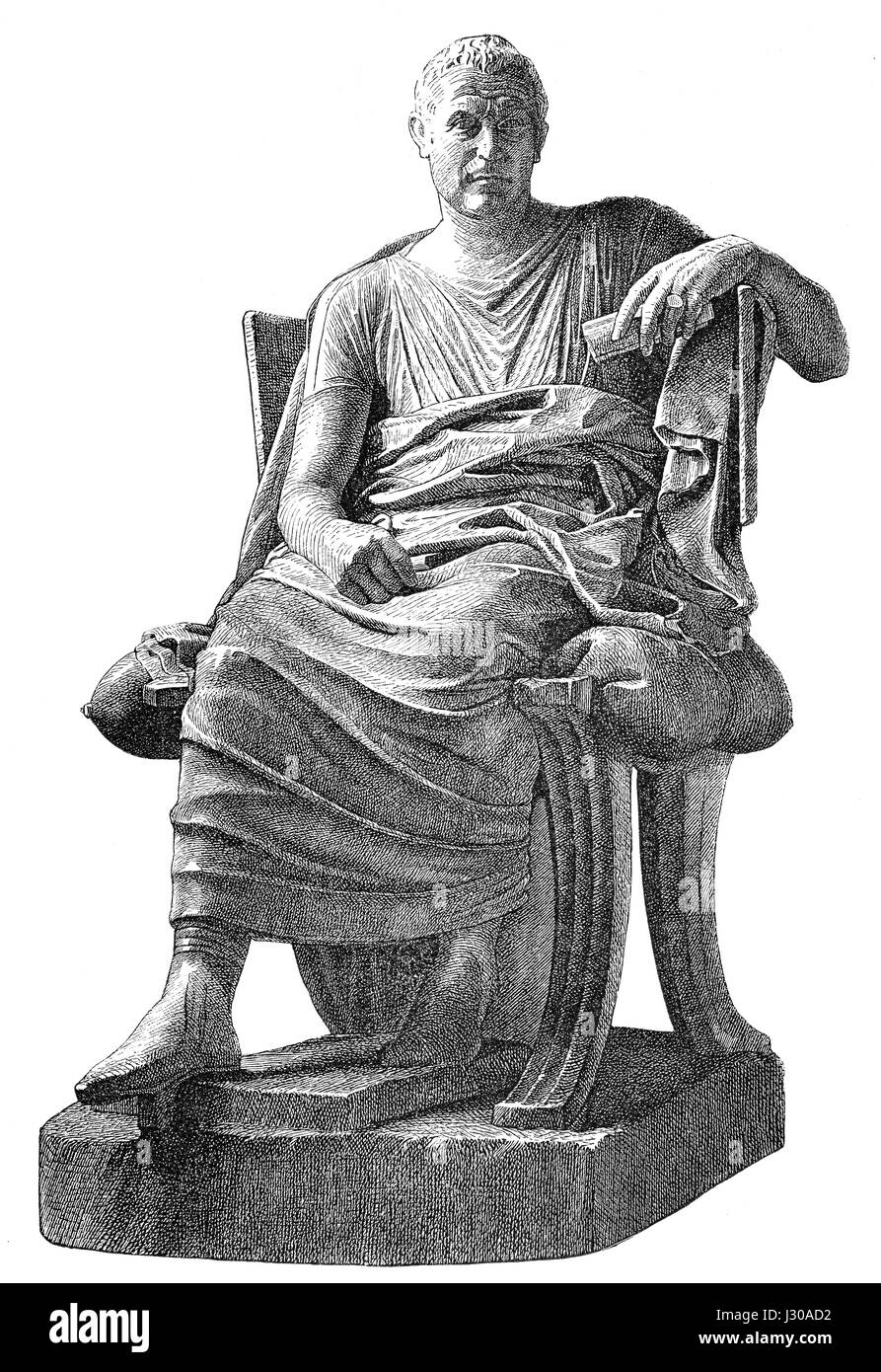
The Maiandros, often referred to in English as the Meander, is a significant figure in Greek mythology. This river god is associated with the winding river in western Turkey, known for its meandering path. The river itself has been a source of inspiration for poets and artists throughout history. The Maiandros is not just a physical entity; he represents the fluidity of life, the twists and turns that one encounters. In this article, we will explore the mythological background, characteristics, and cultural significance of the Maiandros in ancient Greek tradition.
Mythological Background of Maiandros
The origins of Maiandros can be traced back to ancient Greek mythology, where rivers were often personified as gods. Maiandros is one of these river gods, and he is typically depicted as a handsome young man, flowing with the currents of his river. His mythology intertwines with various deities and heroes, showcasing the interconnectedness of nature and the divine in Greek beliefs. According to myth, he was the son of the primordial sea god Nereus and was associated with the nurturing and life-giving properties of water.
 Meliae
Maiandros is also linked to the goddess Amphitrite, who represents the sea and the ocean. This connection highlights the relationship between rivers and the sea in Greek mythology. The waters of Maiandros are often seen as a pathway that connects the terrestrial world with the divine. The river’s winding nature symbolizes the unpredictable journey of life, filled with challenges and discoveries. The ancients believed that the spirits of the dead could travel along these rivers to reach the underworld, further emphasizing the significance of Maiandros in the cycle of life and death.
Characteristics of Maiandros
Maiandros is characterized by his gentle yet powerful presence. He embodies the dual nature of water: it can be calm and soothing or fierce and destructive. This duality is evident in the stories that feature him, where he is both a nurturing force and a challenging obstacle for heroes. The river god is often depicted with flowing hair that resembles the currents of water, and his attire consists of elements that reflect the natural world, such as leaves and flowers.
 Mares-of-diomedes
In art, Maiandros is frequently represented in scenes that depict him interacting with other deities or mortals. His ability to shape-shift is a notable characteristic, allowing him to take on different forms to assist or challenge those who encounter him. This ability serves as a metaphor for the ever-changing nature of life, where nothing remains static, and adaptability is key. The fluidity of his form is a reminder that one must navigate through life’s twists and turns with grace and resilience.
The Symbolism of Maiandros
The symbolism of Maiandros extends beyond his identity as a river god. He represents the flow of time, illustrating how life is a continuous journey filled with both obstacles and opportunities. The winding nature of the Maiandros River serves as a metaphor for the complexities of human existence. Just as the river twists and turns, so do our lives, often leading us to unexpected places. This symbolism is important in understanding the Greek worldview, where nature and human experience are deeply intertwined.
Furthermore, Maiandros is often associated with transformation. Water has the ability to change its form, from liquid to solid and back again. This transformation reflects the experiences of individuals as they grow and evolve over time. In many myths, characters who encounter Maiandros undergo significant changes, whether they are physical, emotional, or spiritual. The river god thus serves as a catalyst for growth and self-discovery, encouraging individuals to embrace the changes that life brings.
 Medea
MedeaMaiandros in Literature and Art
The influence of Maiandros can be seen in various works of literature and art throughout history. In ancient Greek poetry, the river is often mentioned as a symbol of beauty and the passage of time. Poets such as Hesiod and Homer referenced Maiandros in their epics, celebrating the river’s winding nature and its connection to the gods. These literary references highlight the importance of rivers in Greek culture, serving as both physical landmarks and spiritual symbols.
In visual art, Maiandros has been depicted in numerous sculptures and paintings. Artists often illustrate him as a serene figure flowing with water, surrounded by flora and fauna that represent the ecosystem of the river. These artworks capture the essence of the river god, showcasing the harmony between nature and divinity. The representation of Maiandros in art serves as a reminder of the beauty and power of nature, inviting viewers to reflect on their relationship with the natural world.
Maiandros in Modern Culture
The legacy of Maiandros continues to resonate in modern culture. The Meander River, named after the river god, remains a popular subject in art and literature. Its winding path has inspired countless artists and writers, who draw parallels between the river’s journey and the human experience. Additionally, the term “meander” has entered the English language, referring to a winding path or course, further cementing Maiandros’ influence on contemporary thought.
In literature, modern authors often invoke the imagery of rivers to explore themes of change, growth, and the passage of time. The symbolism of Maiandros as a river god continues to inspire writers and poets, who use his legacy to convey deeper meanings in their works. Furthermore, environmental movements have adopted the imagery of rivers to highlight the importance of preserving natural water sources, connecting the modern world back to the ancient reverence for river gods like Maiandros.
Conclusion: The Enduring Legacy of Maiandros
The Maiandros, as a river god in Greek mythology, embodies the complexities of life and the importance of nature in human experience. Through his winding river, he symbolizes the journey of life, the transformations we undergo, and the beauty of the natural world. From ancient literature to modern culture, Maiandros remains a powerful figure, reminding us of our connection to the earth and the flow of time. His legacy continues to inspire and resonate, encouraging us to embrace the twists and turns of our own lives.