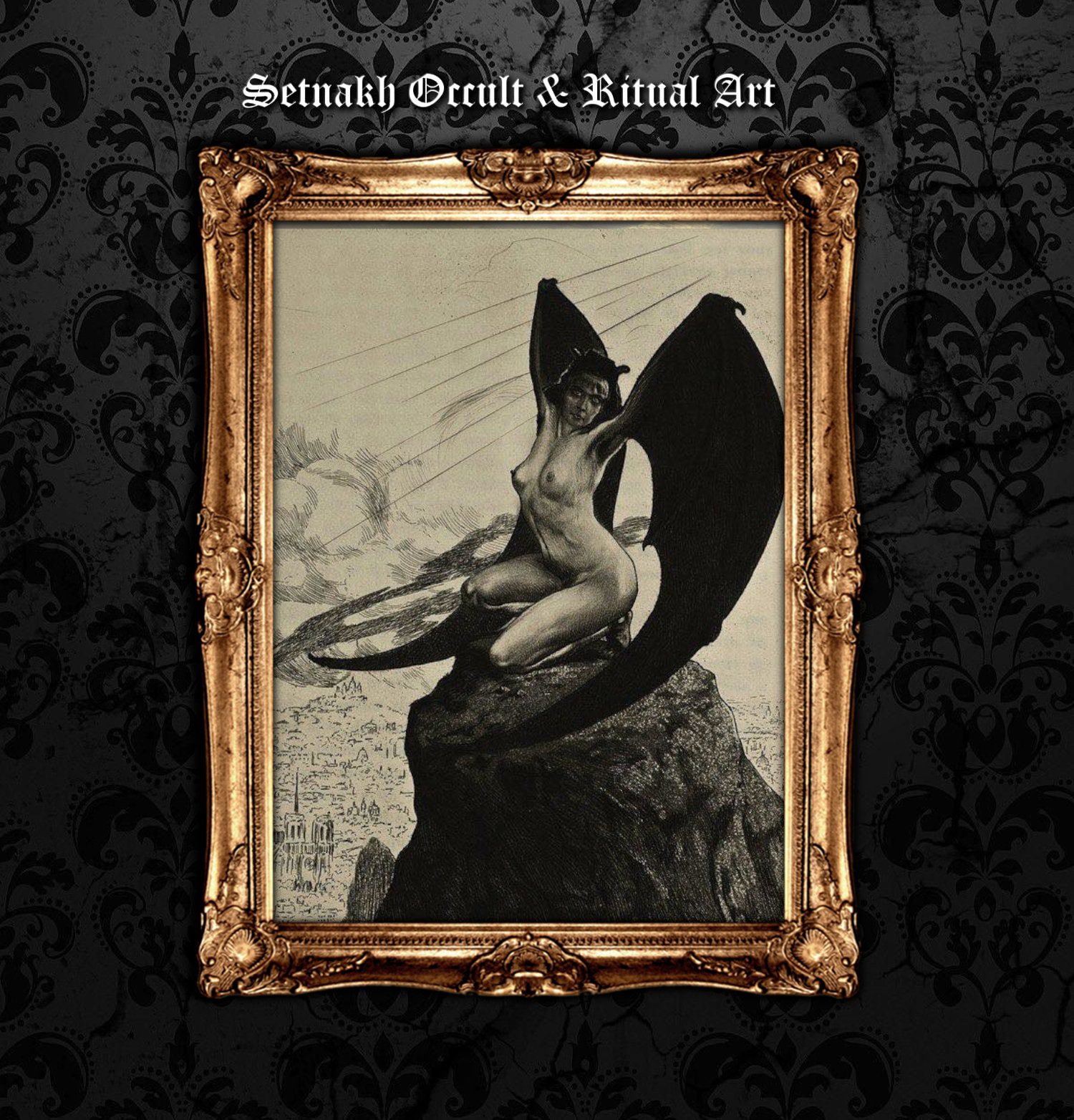
In various mythologies and religious texts, the figure of Lillith stands out as a complex and intriguing character. Often associated with the concept of fallen angels, she embodies themes of rebellion, independence, and femininity. Lillith is frequently portrayed as a figure who defies traditional roles and expectations, making her a fascinating subject for study. Her origins can be traced back to ancient Mesopotamian mythology, and her story has evolved over the centuries, taking on various interpretations and meanings.
The Origins of Lillith
The earliest mentions of Lillith can be found in ancient Sumerian texts, where she is depicted as a female demon or spirit. In these texts, she is often associated with storms and the night, embodying the chaotic forces of nature. As the mythology developed, Lillith became linked to the concept of the night and was often seen as a seductress who preyed on unsuspecting men. Her character was later integrated into Jewish folklore, where she gained prominence as the first wife of Adam, created from the same earth as him.
 Lix Tetrax
According to some interpretations of Jewish texts, Lillith was created as a strong and independent being, capable of standing alongside Adam as an equal. However, her refusal to submit to Adam’s authority led to her expulsion from the Garden of Eden. This narrative highlights the themes of feminism and independence, as Lillith chooses to embrace her freedom rather than conform to societal expectations. This aspect of her character has resonated with many, making her a symbol of empowerment for women throughout history.
Lillith in Jewish Folklore
In Jewish folklore, Lillith’s story takes on a more detailed narrative. She is often depicted as a figure who steals children and seduces men in their sleep. This portrayal reflects the anxieties surrounding female sexuality and motherhood. The Midrash contains various tales about Lillith, emphasizing her role as a dangerous and vengeful spirit. These stories served to warn against the dangers of unchecked female desire and the consequences of defying traditional gender roles.
 Lucifer
One of the most well-known tales describes how Lillith left Adam after their quarrels over their roles in the relationship. Adam’s desire for dominance led to Lillith’s departure, where she fled to the Red Sea, a place associated with demons and spirits. This act of leaving not only signifies her rejection of Adam’s authority but also highlights her search for autonomy. In this context, Lillith becomes a symbol of rebellion against patriarchal structures.
The Symbolism of Lillith
Lillith is rich in symbolism, often representing the duality of femininity. On one hand, she embodies the feminine power and strength that defies societal norms. On the other hand, she is seen as a dangerous figure who threatens the established order. This duality can be interpreted as a reflection of the complexities of female identity, where women are often seen as both nurturing and threatening. Lillith’s character challenges the traditional dichotomy of good versus evil, showing that women can possess both qualities.
Moreover, Lillith’s association with the night and darkness further enhances her symbolic significance. The night is often viewed as a time of mystery and the unknown, representing the aspects of femininity that are often hidden or suppressed. By embodying the night, Lillith becomes a figure of liberation, encouraging women to embrace their desires and assert their identities. This connection to darkness can also be seen as a metaphor for the struggles women face in a patriarchal society, where their voices and experiences are often marginalized.
 Malpas
Lillith in Modern Interpretations
In contemporary culture, Lillith has experienced a resurgence as a symbol of feminism and empowerment. Many modern interpretations portray her as a figure of strength and resilience, challenging the traditional narratives that paint her as a villain. Various artists, writers, and activists have embraced Lillith as a representation of women’s struggles for autonomy and equality. This shift in perception reflects broader societal changes regarding gender roles and the reclamation of female narratives.
Literature and art have played significant roles in reinterpreting Lillith’s character. Many authors have written stories that highlight her strength and independence, portraying her as a hero rather than a villain. For instance, some novels depict her as a wise and powerful figure who guides other women in their journeys of self-discovery. This reimagining allows for a more nuanced understanding of Lillith, emphasizing her role as a source of inspiration for women seeking empowerment.
Lillith in Popular Culture
Lillith’s influence extends beyond literature and art into various forms of popular culture. She has appeared in films, television shows, and music, often embodying themes of female empowerment and rebellion. For instance, in certain adaptations of biblical stories, Lillith is portrayed as a strong-willed character who defies the norms of her time. This representation resonates with audiences who seek stories of women challenging societal expectations.
In addition to her appearances in mainstream media, Lillith has also become a symbol within certain subcultures, such as the Gothic and occult communities. Her association with darkness and the night appeals to those who embrace alternative lifestyles and reject conventional norms. In these contexts, Lillith is often celebrated as a figure of liberation, encouraging individuals to explore their identities and desires without fear of judgment.
The Legacy of Lillith
Lillith’s legacy continues to evolve, reflecting the changing perceptions of femininity and female empowerment. As society grapples with issues of gender equality and representation, Lillith serves as a reminder of the importance of embracing one’s identity and challenging oppressive structures. Her story encourages individuals to reclaim their narratives and assert their rights to autonomy and self-expression.
Furthermore, the ongoing discussions surrounding Lillith highlight the significance of mythology in understanding contemporary issues. By examining her character, we can gain insights into the historical context of gender roles and the ways in which they have shaped modern society. Lillith’s journey from a demonized figure to a symbol of empowerment illustrates the power of storytelling in shaping cultural narratives and identities.
Lillith remains a compelling figure within the realm of fallen angels and mythology. Her story, rooted in ancient texts, has evolved into a multifaceted narrative that resonates with themes of independence, rebellion, and femininity. As we continue to explore her legacy, we uncover the complexities of female identity and the ongoing struggles for empowerment and equality. Lillith serves as a reminder that women can embrace their strength and challenge societal norms, paving the way for future generations to do the same.