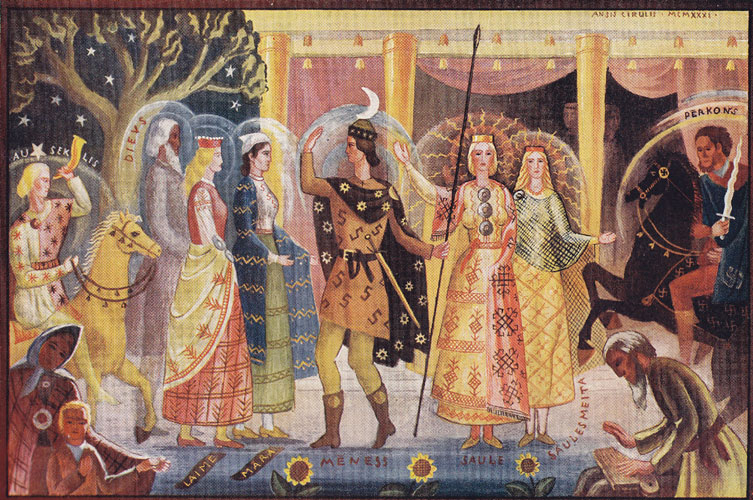
In Latvian mythology, Lauka Mate is a significant figure often associated with the natural world, particularly with fields and agriculture. She is considered a goddess of the fields, representing fertility and the bounty of the earth. Her presence is deeply rooted in the traditions and customs of the Latvian people, symbolizing the vital connection between humans and nature. The reverence for Lauka Mate highlights the importance of agriculture in Latvian culture and the respect for the earth’s resources.
Origins of Lauka Mate
The origins of Lauka Mate can be traced back to ancient Latvian beliefs and practices that emphasized the relationship between people and the land. She is often seen as a manifestation of the earth itself, embodying the spirit of the fields and the growth of crops. The name “Lauka” translates to “field,” which directly ties her to agriculture. This connection indicates that she was worshipped by farmers who sought her blessings for a fruitful harvest.
 Laima
LaimaIn the context of Latvian mythology, Lauka Mate is part of a larger pantheon of nature deities. These deities often represent various aspects of the natural world, such as rivers, forests, and mountains. Lauka Mate stands out as a protector of the fields, ensuring that crops grow strong and healthy. Her character is intertwined with the seasonal cycles of planting and harvesting, marking her importance in the agrarian lifestyle of ancient Latvians.
Symbolism and Attributes
Lauka Mate is rich in symbolism, embodying the fertility of the earth and the abundance of nature. She is often depicted as a nurturing figure, with flowing hair that resembles fields of grain. Her attire may include garments made from natural materials, reflecting her connection to the earth. In many representations, she is surrounded by lush greenery and blooming flowers, emphasizing her role as a life-giver.
One of the key attributes of Lauka Mate is her ability to bring fertility to the land. Farmers would invoke her name during rituals and ceremonies, asking for her favor in producing a bountiful harvest. This act of worship was not only a way to seek assistance but also a means of showing gratitude for the resources provided by the earth. The rituals often included offerings of food and flowers, symbolizing respect for Lauka Mate and the land.
 Kaukai
Rituals and Celebrations
In ancient Latvia, various rituals were dedicated to Lauka Mate, especially during the planting and harvesting seasons. These rituals were deeply embedded in the agricultural calendar and played a crucial role in community life. Farmers would gather to celebrate the arrival of spring, performing dances and singing songs that honored Lauka Mate and asked for her blessings.
During the planting season, specific ceremonies were held to ensure a good crop yield. These often involved the sowing of seeds accompanied by prayers to Lauka Mate. Farmers would scatter seeds in a ritualistic manner, believing that this act would invite her presence and favor. The community would come together to participate in these rituals, reinforcing social bonds and shared beliefs.
 Karta
KartaCommon Rituals for Lauka Mate
- Seed Sowing Ceremony: Farmers would gather to sow seeds, accompanied by prayers and songs.
- Harvest Festival: A celebration held at the end of the harvest season to thank Lauka Mate for her blessings.
- Offerings: Farmers would leave food and flowers in the fields as a gesture of gratitude.
As the harvest season approached, communities would organize festivals to celebrate the fruits of their labor. These festivals often included feasting, dancing, and storytelling, all dedicated to Lauka Mate. It was a time to express gratitude for the abundance received and to ensure that the cycle of life continued into the next planting season.
Lauka Mate in Folklore
Lauka Mate is a prominent figure in Latvian folklore, where she appears in various tales and legends. These stories often highlight her role as a protector of the fields and the importance of respecting nature. In many folktales, Lauka Mate is depicted as a wise and benevolent figure who helps those who honor the earth and its resources.
One common theme in these tales is the idea of balance between humans and nature. Lauka Mate teaches that taking care of the land is essential for survival. In some stories, she rewards those who show kindness to the earth, while punishing those who exploit it. This moral lesson reinforces the cultural belief in sustainable practices and respect for the environment.
Modern Relevance of Lauka Mate
Today, the figure of Lauka Mate continues to hold significance in Latvia, especially among those who value traditional agricultural practices. As modern farming techniques have evolved, the connection to the land remains vital for many Latvians. Lauka Mate serves as a reminder of the importance of sustainability and the need to care for the earth.
In recent years, there has been a resurgence of interest in folk traditions and mythology. Many Latvians are looking to their cultural roots to find inspiration for sustainable living. Lauka Mate’s teachings about respect for nature and the importance of community resonate with contemporary environmental movements. This alignment with modern values highlights her enduring legacy in Latvian culture.
Conclusion: The Legacy of Lauka Mate
The legacy of Lauka Mate is a testament to the deep connection between the Latvian people and their land. As a goddess of the fields, she represents the vital role of agriculture in sustaining communities. Her influence can be seen in rituals, folklore, and the ongoing respect for nature among Latvians. Lauka Mate remains a symbol of fertility, abundance, and the need for harmony with the environment.
In celebrating Lauka Mate, the Latvian people honor their ancestors and the traditions that have shaped their identity. The stories and rituals surrounding her figure continue to inspire future generations to appreciate and protect the natural world. As we move forward, the teachings of Lauka Mate remind us of the importance of sustainability and the interconnectedness of all living things.