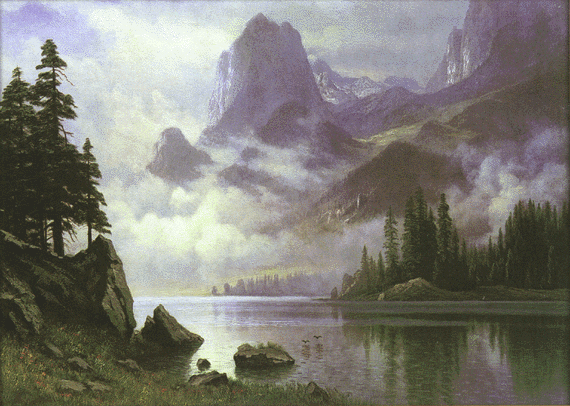
Jotunheim is one of the nine realms in Norse mythology. It is known as the home of the Jotnar, often referred to as giants. These giants are not just large beings; they represent the forces of chaos and nature. Jotunheim is a place filled with mountains, deep forests, and vast landscapes. It stands in contrast to the orderly world of the gods, known as Asgard. The relationship between the gods and the giants is complex, filled with conflict, alliances, and moments of cooperation. Understanding Jotunheim is essential to grasping the broader narrative of Norse mythology.
Geography of Jotunheim
The geography of Jotunheim is as diverse as its inhabitants. The realm is characterized by rugged mountains, dense forests, and expansive valleys. The landscape is often depicted as wild and untamed, reflecting the nature of the giants who reside there. The mountains of Jotunheim are said to be so high that they touch the sky, creating a natural barrier between the giants and the gods. The rivers that flow through this realm are often cold and swift, adding to the fierce beauty of the land.
 Jormungand
In addition to its formidable mountains, Jotunheim is home to many mysterious creatures. These include trolls, ogres, and other beings that add to the sense of danger and wonder in the realm. The forests are filled with ancient trees, some so large that they are said to be older than time itself. This rich biodiversity contributes to the chaotic nature of Jotunheim, making it a place of both beauty and peril.
Key Locations in Jotunheim
- Thrymheim: The home of the giant Thrym, known for his strength and cunning.
- Jotunheimar: A general term for the lands inhabited by the giants.
- Frost Giants’ Abode: A cold region within Jotunheim, often associated with the more fearsome giants.
One of the most notable locations in Jotunheim is Thrymheim, the home of the giant Thrym. He is famous in Norse tales for stealing Thor’s hammer, Mjölnir. Thrym’s actions set off a series of events that showcase the interactions between gods and giants. The stories from this area highlight not only the power of the giants but also their intelligence and ability to outsmart the gods at times.
Another significant area is known as Jotunheimar. This term broadly refers to the lands where the giants live. Within Jotunheimar, various clans of giants can be found, each with their unique characteristics and stories. This diversity among the giants is crucial, as it adds depth to their interactions with the gods and other beings in Norse mythology.
 Járnsaxa
Inhabitants of Jotunheim
The inhabitants of Jotunheim, the Jotnar, are often portrayed as formidable beings. Unlike the gods, who represent order and civilization, the giants embody chaos and primal forces. They are not simply antagonists; they have their own cultures, traditions, and stories. Each giant has a unique personality and role within the realm. Some giants are known for their strength, while others are recognized for their intelligence and cunning.
One of the most famous giants is Ymir, the progenitor of all giants. According to myth, he was born from the ice and fire that met in the void of Ginnungagap. From his body, the world was created, and he is often seen as the embodiment of primordial chaos. His story is crucial to understanding the origins of the giants and their relationship with the gods.
 Jafnhár
Notable Giants
- Ymir: The first giant and the father of all giants.
- Thrym: Known for stealing Thor’s hammer.
- Skadi: A goddess associated with winter and hunting.
Another important figure is Thrym, who famously stole Thor’s hammer. His actions demonstrate the cunning and intelligence of the giants, as he devised a clever plan to demand the goddess Freyja as his bride in exchange for the hammer. This story illustrates the tension between the gods and the giants and highlights the lengths to which they will go to achieve their goals.
Skadi is another notable inhabitant of Jotunheim. She is a goddess associated with winter and hunting, often depicted as a fierce warrior. Skadi’s story is unique because she marries the god Njord, symbolizing a bridge between the worlds of gods and giants. Her duality represents the complex relationships that exist between these two realms.
Interactions with the Gods
The interactions between the giants of Jotunheim and the gods of Asgard are central to many Norse myths. These stories often depict a cycle of conflict and cooperation. The giants are frequently portrayed as adversaries to the gods, challenging their authority and disrupting their plans. However, there are also instances of alliances and marriages that blur the lines between these two groups.
One of the most famous myths involving the gods and giants is the story of Thor and his quest to retrieve his stolen hammer. In this tale, Thor must disguise himself as Freyja to infiltrate the giant’s realm. This story not only highlights the strength of Thor but also the cunning of the giants, as they often outsmart the gods in various ways. The dynamics of this relationship are complex, with both sides exhibiting strengths and weaknesses.
Examples of Conflict
- The theft of Mjölnir by Thrym.
- The battle between the gods and the giants during Ragnarok.
- The challenge posed by the giant Hrungnir.
The theft of Mjölnir by Thrym is a prime example of the conflict between the giants and the gods. This event leads to a series of humorous and intense moments as Thor and Loki navigate the giant’s world. It showcases the cunning nature of the giants and the lengths to which the gods will go to protect their power.
Another significant event is the Ragnarok, the prophesied end of the world, where the gods and giants will face off in a final battle. This epic confrontation emphasizes the ongoing struggle between order and chaos, with the giants representing the chaotic forces that threaten the stability of the world. The inevitability of this battle reflects the cyclical nature of existence in Norse mythology.
Cultural Significance of Jotunheim
Jotunheim holds significant cultural importance within Norse mythology. It represents the wild, untamed aspects of nature that the gods seek to control. The giants symbolize the forces of chaos and destruction that exist alongside the forces of order represented by the gods. This duality is a recurring theme in many cultures and reflects the human experience of grappling with nature and its unpredictable elements.
The stories of Jotunheim and its inhabitants serve as cautionary tales, reminding people of the power of nature and the consequences of hubris. The giants are often portrayed as being in conflict with the gods, representing the idea that unchecked power can lead to destruction. This theme resonates with many cultures, highlighting the importance of balance between humanity and the natural world.
Lessons from Jotunheim
- The importance of respecting nature.
- The consequences of conflict and pride.
- The need for balance between chaos and order.
One of the key lessons from Jotunheim is the importance of respecting nature. The giants, as embodiments of natural forces, remind us of the power and unpredictability of the environment. The stories often illustrate the consequences of underestimating these forces, emphasizing the need for harmony between humanity and nature.
Additionally, the tales of conflict between the gods and giants serve as a reminder of the consequences of pride and ambition. The gods often find themselves in precarious situations due to their desire for power and control. These narratives encourage humility and caution, highlighting the dangers of overreaching.
Jotunheim in Modern Culture
The influence of Jotunheim and its giants extends beyond ancient Norse mythology into modern culture. Many contemporary works of fiction, movies, and video games draw inspiration from these myths, showcasing the enduring fascination with giants and their chaotic nature. This cultural impact reflects the timeless appeal of these stories and their relevance to contemporary themes.
In literature, Jotunheim often serves as a setting for epic adventures and battles. Authors have reimagined the realm, blending traditional elements with modern storytelling techniques. This adaptation allows new audiences to engage with the rich tapestry of Norse mythology while exploring themes of conflict, identity, and the relationship between humanity and nature.
Examples in Modern Media
- Marvel Comics and Movies: Featuring Thor and the Frost Giants.
- Video Games: Titles like “God of War” and “Assassin’s Creed Valhalla.”
- Fantasy Novels: Works inspired by Norse mythology.
The Marvel Comics and subsequent movies have brought Jotunheim into the mainstream, depicting Thor’s battles against the Frost Giants. These portrayals emphasize the strength and ferocity of the giants while also humanizing them in various ways. This adaptation highlights the ongoing conflict between the realms, resonating with audiences who enjoy action and adventure.
In the realm of video games, titles like “God of War” and “Assassin’s Creed Valhalla” incorporate elements of Jotunheim into their narratives. Players can explore this mythical realm, engaging with its inhabitants and uncovering its secrets. These games not only entertain but also educate players about the rich lore of Norse mythology, allowing them to experience the stories in an interactive format.
Fantasy novels also draw heavily from the themes and characters of Jotunheim. Authors weave tales that explore the complexities of giants, their relationships with the gods, and the broader implications of their existence. This literary exploration continues to captivate readers, showcasing the enduring power of these ancient myths.
Jotunheim is a fascinating realm that plays a crucial role in Norse mythology. It embodies the chaotic forces of nature and the complexities of the relationships between giants and gods. Through its rich geography, diverse inhabitants, and cultural significance, Jotunheim offers valuable lessons about respect, balance, and the enduring power of nature. As modern culture continues to engage with these ancient stories, the legacy of Jotunheim remains alive and relevant.