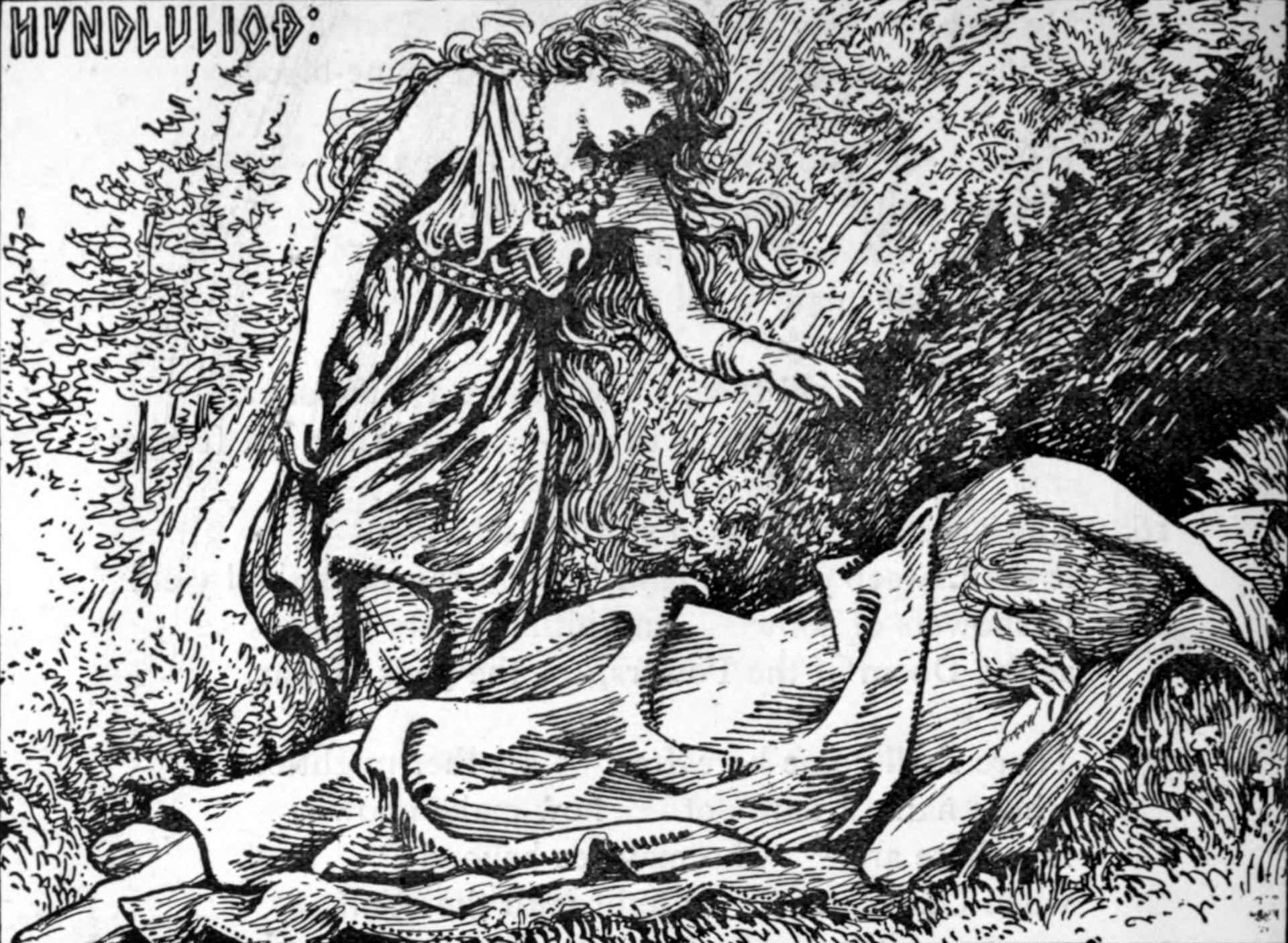
In Norse mythology, Hyndla is a fascinating figure known primarily for her role in the Völuspá and the Grímnismál. She is often depicted as a giantess or seeress, possessing profound knowledge of the past and future. Hyndla is particularly associated with the wisdom of the ancestors and the mystical lore of the Norse gods. Her narrative is intertwined with themes of fate, knowledge, and the complex relationships between gods and mortals. Understanding Hyndla’s significance provides a deeper insight into the Norse worldview and their understanding of destiny.
Hyndla in Norse Texts
The primary sources that mention Hyndla are the Poetic Edda and the Prose Edda. These texts are crucial for our understanding of Norse mythology and culture. In the Grímnismál, Hyndla is called upon by Freyr, the god of fertility, who seeks her wisdom regarding the lineage of the gods and heroes. This highlights her role as a knowledge keeper and a vital link to the past. The invocation of Hyndla signifies the importance of ancestry and the understanding of one’s roots in Norse culture.
 Hymir
HymirIn the Völuspá, she is also mentioned, emphasizing her status as a seeress who possesses the ability to see into the past and future. The references to her in these texts illustrate her significance as a figure who connects the present with the ancestral past. Her character embodies the wisdom of the ages, making her an essential part of the Norse mythological tapestry.
The Role of Hyndla
Hyndla’s primary role is that of a seeress and a guide. She provides insights and prophecies, helping gods and heroes understand their destinies. Her conversations with Freyr reveal crucial information about the bloodlines and heritage of the gods. This connection to ancestry is vital in Norse mythology, where lineage often determines one’s fate and status. The importance placed on family ties and heritage is a recurring theme in many Norse tales, and Hyndla serves as a personification of this idea.
 Huldra
Furthermore, Hyndla’s interactions with other mythological figures show her as a powerful entity capable of influencing events. Her knowledge is not just about the past; it also extends to the future, providing a broader understanding of the cosmic order. This duality of her knowledge makes her a pivotal figure in the Norse mythological framework, where the past and future are often interconnected.
Hyndla and the Concept of Fate
In Norse mythology, the concept of fate is deeply embedded in the stories and beliefs of the people. The Norns, the three fate goddesses, are often seen as the primary arbiters of destiny. However, Hyndla’s role as a seeress also ties her to this concept. She provides insight into the fate of individuals and the interconnectedness of their lives. This aspect of her character reinforces the idea that understanding one’s fate requires knowledge of the past and the choices made by ancestors.
When Hyndla reveals the lineage of gods and heroes, she emphasizes how the actions of previous generations shape the destinies of their descendants. This notion resonates throughout Norse mythology, where characters often grapple with their fates while seeking to understand their heritage. Hyndla embodies the belief that the past is not merely a series of events but a living force that influences the present and the future.
 Hrungnir
Symbolism of Hyndla
Hyndla is rich in symbolism, representing various themes central to Norse culture. One of the most prominent symbols associated with her is the well of knowledge. Just as the Well of Urd is a source of wisdom and fate, Hyndla serves as a metaphorical well from which the gods and heroes draw knowledge. This connection to water symbolizes the fluidity of time and the idea that knowledge is essential for navigating the complexities of existence.
Additionally, Hyndla’s character embodies the theme of female power in Norse mythology. As a giantess and a seeress, she stands apart from the more commonly portrayed female figures, such as the goddesses who often represent beauty and fertility. Instead, Hyndla’s strength lies in her wisdom and ability to see beyond the veil of time. This representation of female power challenges traditional gender roles and highlights the significance of knowledge and insight.
Hyndla’s Legacy in Norse Culture
The legacy of Hyndla extends beyond the texts in which she appears. Her character serves as a reminder of the importance of ancestry and heritage in Norse culture. The emphasis on knowing one’s lineage is a recurring theme in many sagas and stories, reflecting the values of a society that placed great importance on family and bloodlines. Hyndla’s role as a guide in understanding these connections reinforces the idea that one’s identity is shaped by the past.
Moreover, Hyndla’s association with knowledge and prophecy highlights the Norse belief in the power of understanding the cosmic order. In a world where the future is often uncertain, her insights provide a sense of stability and guidance. This aspect of her character resonates with the human desire to seek answers and understand the complexities of existence.
Modern Interpretations of Hyndla
In contemporary culture, Hyndla has inspired various interpretations and adaptations. Writers and artists have drawn upon her character to explore themes of wisdom, fate, and female empowerment. Her role as a seeress has been reimagined in literature, art, and even popular media, reflecting the ongoing relevance of Norse mythology in today’s society.
Additionally, Hyndla’s character has found a place in modern discussions about the representation of women in mythology. As a powerful female figure with knowledge and agency, she challenges traditional narratives that often depict women in passive roles. This reinterpretation allows for a more nuanced understanding of female characters in myth and their impact on the stories they inhabit.
Hyndla in Popular Culture
Hyndla’s influence can also be seen in popular culture, where she has been featured in various forms of media, including books, movies, and video games. Her character often symbolizes the quest for knowledge and the importance of understanding one’s roots. In these modern adaptations, Hyndla is portrayed as a wise and powerful figure, guiding heroes on their journeys and providing them with crucial insights.
In literature, authors have taken creative liberties with Hyndla’s character, expanding her story and exploring her relationships with other mythological figures. These interpretations allow for a deeper exploration of her role as a seeress and the implications of her knowledge. As a result, Hyndla’s character continues to resonate with audiences, serving as a bridge between ancient mythology and contemporary storytelling.
Hyndla remains a significant figure in Norse mythology, representing the themes of fate, knowledge, and female empowerment. Her role as a seeress and guide underscores the importance of ancestry and understanding one’s heritage. As contemporary interpretations continue to evolve, Hyndla’s legacy endures, reminding us of the timeless relevance of mythology in exploring the complexities of existence.