Hastshehogan is a significant figure in Navajo mythology, representing a connection between the physical world and the spiritual realm. This deity is often associated with creation and the elements, playing a crucial role in the Navajo understanding of the universe. In Navajo culture, stories about Hastshehogan are not just tales; they are an integral part of the spiritual practices and beliefs that guide the lives of the Navajo people. The narratives surrounding Hastshehogan are rich in symbolism and meaning, reflecting the deep relationship between the Navajo people and their environment.
The Role of Hastshehogan in Creation
Hastshehogan is primarily known as a creator deity in Navajo mythology. According to traditional stories, this figure played a vital role in the formation of the earth and its inhabitants. The Navajo believe that Hastshehogan brought forth the mountains, rivers, and valleys, creating a harmonious landscape where life could thrive. This act of creation is not seen as a one-time event but rather as an ongoing process, emphasizing the importance of balance and harmony in nature.
 Hastseoltoi
In many Navajo stories, Hastshehogan is depicted as a powerful force that shapes the land. The mountains are often seen as manifestations of Hastshehogan’s strength, standing tall and majestic as a reminder of the deity’s influence. The rivers, on the other hand, symbolize the flow of life and the nurturing aspect of Hastshehogan. This duality reflects the Navajo belief in the interconnectedness of all things, where creation and destruction are part of the same cycle.
The teachings associated with Hastshehogan often highlight the importance of respecting the earth and its resources. The Navajo people are encouraged to live in harmony with nature, understanding that their actions have consequences. This respect for the environment is deeply rooted in the stories of Hastshehogan, reminding the Navajo to honor the land that sustains them. By acknowledging the role of Hastshehogan in creation, the Navajo people reinforce their commitment to preserving the natural world.
The Symbolism of Hastshehogan
Hastshehogan is rich in symbolism, representing various aspects of life and the universe. One of the most prominent symbols associated with this deity is the mountain. In Navajo culture, mountains are not merely physical structures; they are sacred spaces that connect the people to their ancestors and the spiritual world. Hastshehogan embodies the strength and stability of the mountains, serving as a reminder of the importance of resilience in the face of challenges.
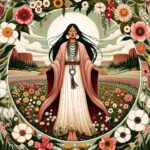 Estanatlehi
Another significant symbol linked to Hastshehogan is the water. Water is essential for life, and in Navajo mythology, it is often seen as a cleansing and purifying force. Hastshehogan’s connection to water emphasizes the idea that life is a cycle, with water representing renewal and growth. This symbolism extends to the Navajo practices of rituals and ceremonies, where water is used to bless and purify individuals and spaces.
- Mountains: Represent strength and stability.
- Water: Symbolizes renewal and growth.
- Earth: Reflects the interconnectedness of all living beings.
Additionally, Hastshehogan is often associated with the earth itself. The earth is seen as a living entity, providing sustenance and support for all forms of life. This connection underscores the Navajo belief in the sacredness of the land, where every rock, tree, and animal holds significance. By honoring Hastshehogan, the Navajo people acknowledge their dependence on the earth and their responsibility to protect it for future generations.
Hastshehogan and Navajo Ceremonies
Ceremonies play a crucial role in Navajo culture, and Hastshehogan is often invoked during these sacred practices. The Navajo believe that by honoring Hastshehogan, they can maintain harmony and balance in their lives. Ceremonies related to Hastshehogan often involve offerings, prayers, and songs that express gratitude and seek blessings from the deity. These rituals are not just for individual benefit; they are communal events that strengthen the bonds between the people and their shared beliefs.
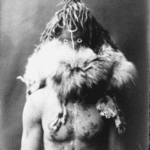 Black God
One of the most significant ceremonies associated with Hastshehogan is the Blessingway, which is a healing ceremony aimed at restoring balance and harmony in an individual’s life. During this ceremony, participants call upon Hastshehogan to guide them and provide protection. The Blessingway is characterized by singing, storytelling, and the use of sacred objects that represent the elements and the earth. This ceremony exemplifies the deep respect the Navajo have for Hastshehogan and the belief in the power of rituals to influence their lives positively.
Another important ceremony is the Mountain Chant, which is performed to invoke the blessings of Hastshehogan and other deities. This ceremony involves a series of songs and prayers that honor the mountains and the earth. Participants often travel to sacred sites, such as specific mountains, to conduct the ceremony, reinforcing the connection between the physical landscape and the spiritual world. The Mountain Chant serves as a reminder of the importance of place in Navajo spirituality and the central role of Hastshehogan in their belief system.
Legends and Stories of Hastshehogan
The legends and stories surrounding Hastshehogan are diverse and rich in meaning. One popular tale tells of how Hastshehogan created the first humans from the earth and breathed life into them. This story emphasizes the deep connection between the Navajo people and the land, suggesting that they are not separate from nature but rather an integral part of it. The act of creation in this story symbolizes the importance of living in harmony with the earth and recognizing the sacredness of all life.
Another legend describes a time when the earth was in chaos, and Hastshehogan intervened to restore balance. This tale highlights the idea that even in times of turmoil, there is always a path to restoration and peace. Hastshehogan’s role as a stabilizing force serves as a source of hope for the Navajo people, reminding them that they can overcome challenges through faith and resilience.
- Creation of Humans: Symbolizes the connection to the earth.
- Restoration of Balance: Highlights hope and resilience.
- Lessons of Harmony: Encourages living in balance with nature.
These stories are not merely entertainment; they serve as moral lessons and guidelines for behavior. The narratives surrounding Hastshehogan encourage the Navajo people to live ethically and responsibly, respecting both the land and each other. Through storytelling, the values and beliefs of the Navajo culture are passed down through generations, ensuring that the teachings of Hastshehogan continue to influence the lives of the people.
The Importance of Hastshehogan Today
Today, Hastshehogan remains a vital figure in Navajo culture and spirituality. The teachings and stories associated with this deity continue to resonate with the Navajo people, providing guidance and inspiration in their daily lives. In a world that often feels disconnected from nature, the teachings of Hastshehogan serve as a reminder of the importance of maintaining a relationship with the earth and all living beings.
Many Navajo people actively incorporate the teachings of Hastshehogan into their modern lives, participating in ceremonies and rituals that honor the earth and its resources. This connection to tradition is essential for fostering a sense of identity and belonging within the community. By embracing their cultural heritage, the Navajo people ensure that the lessons of Hastshehogan are not forgotten but rather celebrated and passed on to future generations.
Furthermore, the emphasis on balance and harmony in the teachings of Hastshehogan has profound implications for contemporary environmental issues. As the world faces challenges such as climate change and resource depletion, the Navajo perspective encourages a holistic approach to sustainability. By recognizing the interconnectedness of all things, the teachings of Hastshehogan inspire individuals to take action in protecting the environment and advocating for a more sustainable future.
Hastshehogan is a central figure in Navajo mythology, representing creation, balance, and the interconnectedness of all life. The stories, symbols, and teachings associated with Hastshehogan provide valuable insights into the Navajo worldview and their relationship with the earth. As the Navajo people continue to honor this deity through ceremonies and traditions, they reinforce their commitment to living in harmony with nature and preserving their cultural heritage for generations to come.