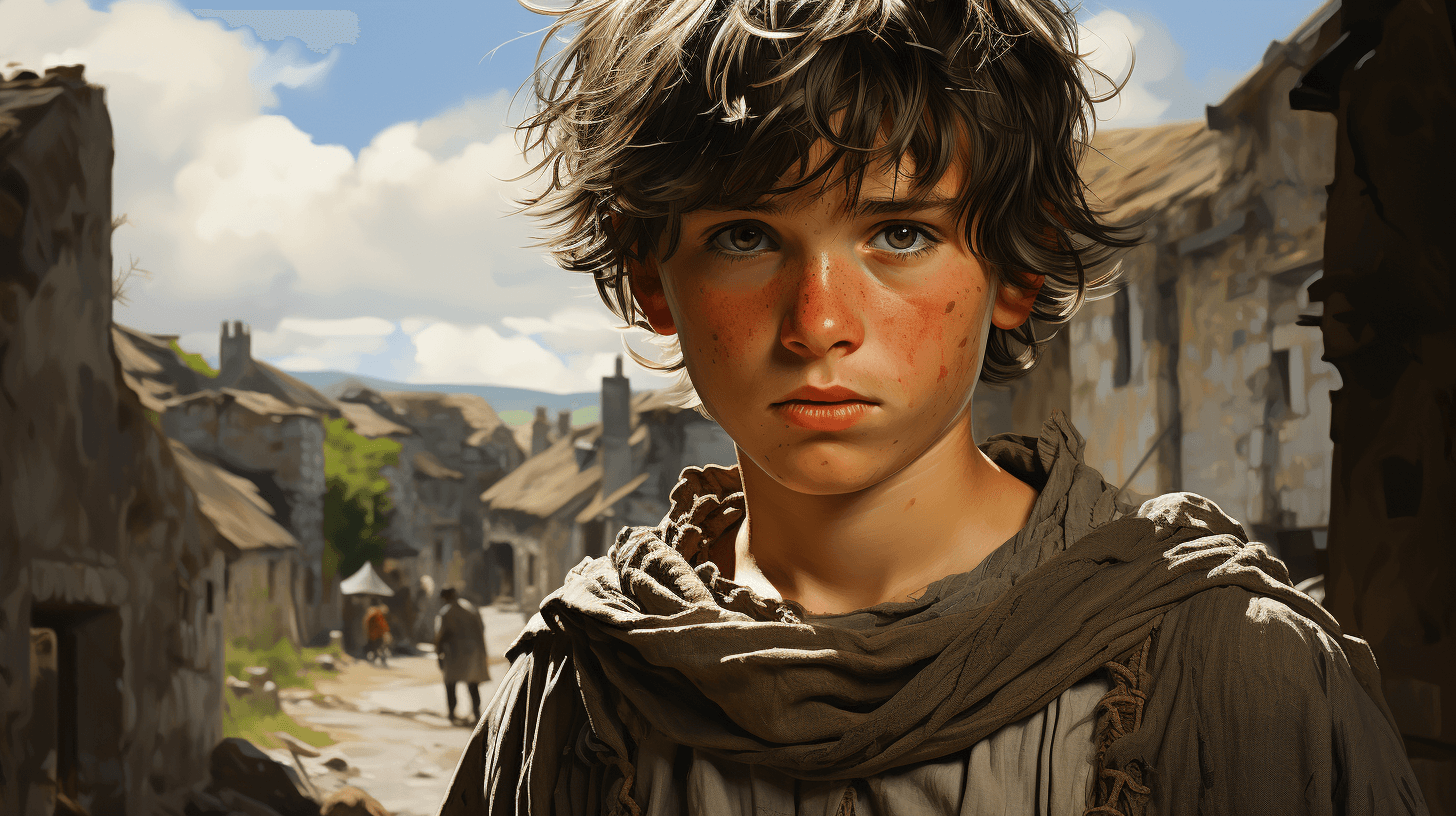
Gwion Bach is a prominent figure in Welsh mythology, often associated with the tales of Taliesin, the legendary bard and poet. His story is rich with themes of transformation, magic, and the pursuit of knowledge. According to ancient Welsh texts, Gwion Bach was a humble boy who accidentally stumbled into a world of enchantment that would change his life forever. His journey highlights the intersection of fate and free will, illustrating how one seemingly small event can lead to monumental changes in one’s destiny.
The Birth of Gwion Bach
Gwion Bach was born into a modest family, but his life took a significant turn when he encountered the goddess Cerridwen. Cerridwen was known for her immense wisdom and magical powers, often depicted as a figure who could transform herself and others. She was also the keeper of a cauldron that contained a potion of knowledge and inspiration. According to the tales, Gwion Bach was tasked with stirring this cauldron, an act that would set off a chain of events leading to his extraordinary transformation.
 Elffin
While stirring the cauldron, Gwion accidentally tasted a drop of the potion, which was intended for Cerridwen’s son, Afagddu. This single drop granted him profound wisdom and insight, changing his fate forever. Gwion Bach’s unintentional act of tasting the potion symbolizes the idea that knowledge and enlightenment often come from unexpected circumstances. This moment not only highlights his potential but also foreshadows the challenges he will face as a result of his newfound abilities.
The Pursuit of Gwion Bach
After Gwion Bach gained the knowledge from the potion, Cerridwen became furious, as she intended for it to be given only to her son. In her rage, she pursued Gwion, leading to a dramatic chase that showcases the themes of transformation and survival. Gwion, realizing the danger he was in, used his newfound powers to escape her grasp. He transformed himself into various forms, including a hare, a fish, and a bird, each time evading her relentless pursuit.
This chase is not just a physical journey but also represents Gwion Bach’s evolution as a character. Each transformation he undergoes reflects his ability to adapt and survive in a world filled with magic and danger. It also illustrates the notion that knowledge can come at a price, as Gwion learns that with great power comes great responsibility. The chase culminates in a series of exciting encounters that test his wit and resolve.
 Efnisien
The Transformation into Taliesin
The story of Gwion Bach takes a pivotal turn when he ultimately transforms into Taliesin, a figure renowned for his poetic prowess and wisdom. After evading Cerridwen for an extended period, Gwion finds himself at the end of his journey when he is finally caught by her. However, instead of seeking revenge, Cerridwen recognizes the wisdom and potential within Gwion. She decides to transform him into a new being, granting him the name Taliesin.
This transformation signifies not only a change in identity but also a deepening of Gwion’s character. As Taliesin, he becomes a bard with unparalleled skills, capable of weaving words into powerful poetry and songs. His newfound identity allows him to fulfill his destiny as a wise figure in Welsh mythology, celebrated for his contributions to culture and storytelling. The transformation reflects the idea that through trials and tribulations, one can emerge stronger and more enlightened.
The Legacy of Taliesin
Taliesin’s legacy extends beyond his transformation from Gwion Bach. He is often regarded as one of the greatest poets in Welsh history, with his works celebrated for their beauty and depth. Taliesin’s poetry encompasses themes of nature, spirituality, and the human experience, resonating with audiences across generations. His verses are filled with rich imagery and profound insights, making him a central figure in the Welsh literary tradition.
 Dylan
DylanMoreover, Taliesin’s influence can be seen in various aspects of Welsh culture, including music, storytelling, and folklore. He is often invoked in ceremonies and gatherings, symbolizing the connection between the past and the present. The stories of Gwion Bach and Taliesin serve as reminders of the power of knowledge and creativity, inspiring individuals to seek their own paths of enlightenment.
The Symbolism of Gwion Bach and Taliesin
The journey of Gwion Bach to Taliesin is laden with symbolism that reflects the human experience. Gwion’s initial simplicity and humility serve as a reminder that greatness can emerge from the most unexpected beginnings. His transformation into Taliesin illustrates the idea that knowledge and wisdom often come through struggle and adversity. This narrative speaks to the universal themes of growth, change, and the pursuit of one’s true potential.
Additionally, the figures of Gwion Bach and Taliesin embody the duality of human nature. Gwion represents the ordinary individual, while Taliesin symbolizes the extraordinary capabilities that lie within each person. The transition from one to the other signifies the journey of self-discovery, highlighting the importance of embracing one’s abilities and seeking knowledge. This duality resonates with many, as it encourages individuals to explore their own paths and strive for personal growth.
Conclusion: The Enduring Appeal of Gwion Bach
The story of Gwion Bach is a captivating tale that continues to inspire and resonate with people today. His journey from a simple boy to the legendary bard Taliesin reflects the timeless themes of transformation, knowledge, and the quest for identity. As a figure in Welsh mythology, Gwion Bach serves as a symbol of the potential that lies within each of us, encouraging a pursuit of wisdom and creativity that transcends time and culture.
Whether through poetry, storytelling, or personal reflection, the legacy of Gwion Bach and Taliesin invites us to explore our own narratives. Their stories remind us that every individual has the capacity for greatness, and that the pursuit of knowledge is a journey worth undertaking. In a world that often emphasizes the mundane, Gwion Bach’s tale serves as a beacon of hope, illuminating the path to self-discovery and enlightenment.