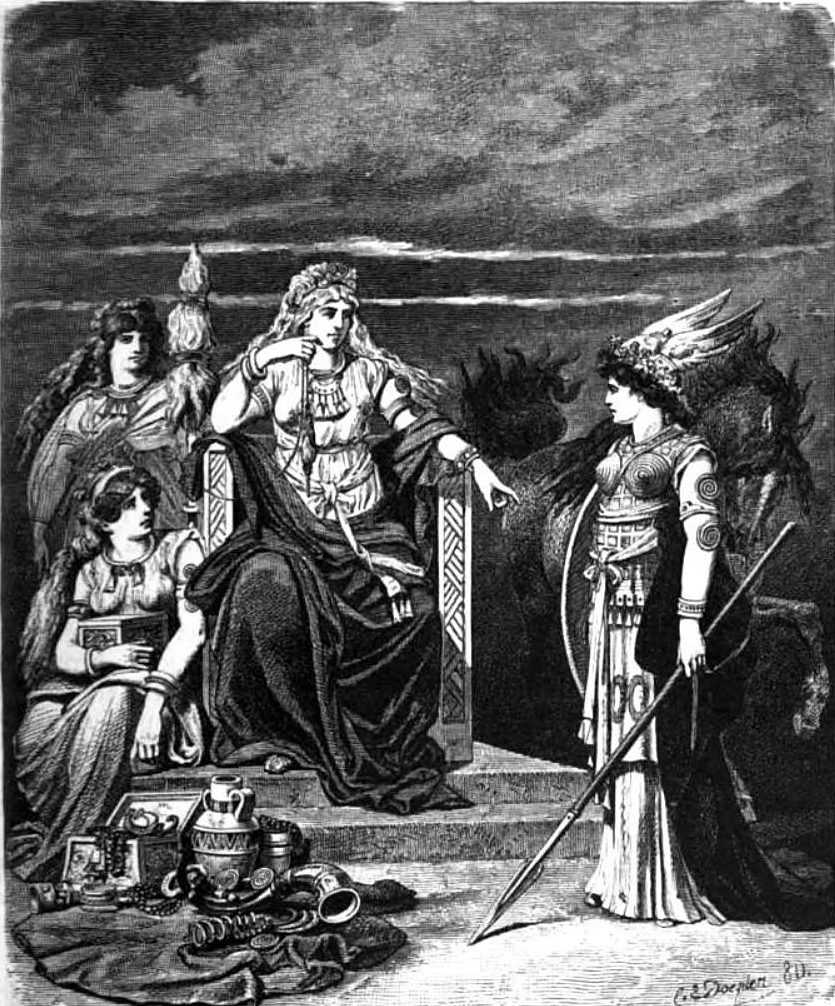
Frigg, also known as Frigga, is a prominent figure in Norse mythology. She is revered as the wife of Odin, the chief of the gods, and is considered the goddess of love, marriage, and fertility. Frigg is often depicted as a wise and powerful deity, possessing the ability to see the future. Her character embodies the complexities of motherhood, loyalty, and the struggles that come with being a divine figure in a world filled with challenges. In this article, we will explore various aspects of Frigg’s mythology, her family ties, her significance in Norse culture, and the stories that surround her.
Frigg’s Origins and Family
Frigg’s origins are rooted deeply in Norse mythology, where she is often associated with the Aesir, one of the two main families of gods. She is the daughter of the giantess Fjorgyn and the god Njord, making her lineage significant in the pantheon of Norse deities. As the wife of Odin, she plays a crucial role in the divine hierarchy. Together, they have a son named Baldr, who is often considered one of the most beloved figures in Norse mythology. The relationship between Frigg and Odin is complex; they share a deep bond built on mutual respect and understanding.
 Freya
FreyaFrigg’s connections to her family extend beyond her immediate household. She is the mother of several other children, including Hod and Víðarr. Each of these offspring carries their own significance within Norse myths. For instance, Hod is known for his tragic role in the death of Baldr, while Víðarr is prophesied to avenge his brother’s death. This intricate web of relationships highlights the importance of family ties in Norse culture, illustrating how the actions of one member can reverberate throughout the entire family.
The Role of Frigg in Norse Mythology
Frigg’s role in Norse mythology is multifaceted. As the goddess of love and marriage, she embodies the ideals of fidelity and devotion. She is often invoked in rituals related to marriage and childbirth, reflecting her importance in the domestic sphere. Additionally, Frigg is known for her wisdom; she is often portrayed as a counselor to Odin, providing him with insights and guidance. This aspect of her character showcases the balance of power between genders in Norse mythology, where women could hold significant influence.
Moreover, Frigg is recognized as a goddess of prophecy. She possesses the ability to see the future, although she often chooses not to reveal what she knows. This aspect of her character is particularly evident in the story of Baldr’s death. Frigg foresaw her son’s demise but could not prevent it due to the constraints of fate. This narrative emphasizes the tragic nature of her wisdom, as knowing the future does not grant the power to change it. This theme resonates throughout many Norse myths, where the gods often grapple with the concept of fate.
 Freyr
FreyrFrigg and the Death of Baldr
The story of Baldr’s death is one of the most significant tales involving Frigg. Baldr, known for his beauty and goodness, was loved by all the gods. However, he began to have ominous dreams about his death, which worried Frigg deeply. To protect him, she went to every being in the cosmos and secured an oath that they would not harm her son. However, she overlooked one entity: the mistletoe, which she deemed too young and harmless to pose a threat. This oversight ultimately led to a tragic series of events.
In a cruel twist of fate, Loki, the trickster god, discovered Frigg’s blind spot regarding the mistletoe. He fashioned a spear from it and tricked Hod, who was blind, into throwing it at Baldr. The spear struck true, and Baldr fell dead, causing immense grief among the gods and Frigg herself. This event marked a turning point in Norse mythology, leading to a series of repercussions, including Loki’s punishment and the eventual onset of Ragnarök, the end of the world.
Symbols and Representations of Frigg
Frigg is often associated with various symbols that reflect her attributes and powers. One of the most notable symbols is the spindle, which represents domesticity and the weaving of fate. In Norse culture, the act of spinning thread was a metaphor for creating destiny, and Frigg’s connection to this activity underscores her role as a weaver of fate. Additionally, she is sometimes depicted with a key, symbolizing her role as the guardian of the household and the protector of domestic harmony.
 Forseti
Moreover, Frigg is often associated with the falcon. In some stories, she possesses the ability to transform into a falcon, which represents freedom and the ability to soar above earthly troubles. This duality of being both a nurturing mother and a powerful goddess is a recurring theme in her representation. The falcon also signifies her connection to the air and the skies, further enhancing her divine status.
Frigg in Norse Culture
In Norse culture, Frigg was highly regarded and worshipped as a goddess of love and fertility. Her influence extended beyond the myths into the daily lives of the Norse people. Rituals and offerings were made in her honor, especially during significant life events such as marriages and childbirth. These practices reflect the importance of her role in ensuring the well-being of families and the continuation of lineages.
Moreover, Frigg’s character resonates with the values of loyalty and fidelity, which were highly prized in Norse society. Her unwavering love for Odin and her dedication to her children exemplify the ideals of motherhood and partnership. This representation of strong familial bonds likely influenced the social structures of the time, emphasizing the importance of community and mutual support.
Frigg’s Legacy in Modern Culture
Frigg’s legacy continues to be felt in modern culture, where she is often referenced in literature, art, and popular media. Her character has inspired numerous adaptations, showcasing her complexity and the themes of love and sacrifice. In contemporary retellings of Norse myths, Frigg is frequently portrayed as a strong and independent figure, reflecting modern values of female empowerment.
Furthermore, her story has been integrated into various forms of entertainment, from movies to video games, where she is depicted as a powerful goddess with deep emotional connections. This modern portrayal often highlights her wisdom and foresight, echoing the ancient tales while adapting them for new audiences. The enduring nature of Frigg’s character demonstrates the timelessness of her story and its relevance across generations.
Frigg in Literature and Poetry
Frigg has been a subject of interest in various forms of literature and poetry throughout history. Norse sagas, such as the Prose Edda and the Poetic Edda, feature her prominently, providing insights into her character and her relationships with other gods. These texts serve as primary sources for understanding her significance in the Norse pantheon and the values of the society that worshipped her.
Additionally, modern authors have drawn inspiration from Frigg’s character to explore themes of motherhood, sacrifice, and the complexities of love. Her portrayal in contemporary literature often reflects a nuanced understanding of her character, emphasizing her strength and vulnerability. This blend of ancient mythology and modern storytelling allows readers to connect with Frigg on multiple levels, making her a relatable and enduring figure.
Conclusion of Frigg’s Mythological Journey
Frigg’s journey through Norse mythology is marked by her profound influence on the lives of gods and mortals alike. As the goddess of love, marriage, and fertility, she embodies the values of loyalty and devotion, making her a beloved figure in the Norse pantheon. Her tragic experiences, particularly surrounding the death of her son Baldr, highlight the complexities of fate and the limitations of even the most powerful deities.
Through her various representations and the stories that surround her, Frigg remains a symbol of strength and resilience. Her legacy continues to inspire and resonate with audiences today, reminding us of the timeless nature of love and the enduring bonds of family. In exploring Frigg’s mythology, we gain a deeper appreciation for the rich tapestry of Norse culture and the powerful figures that inhabit it.