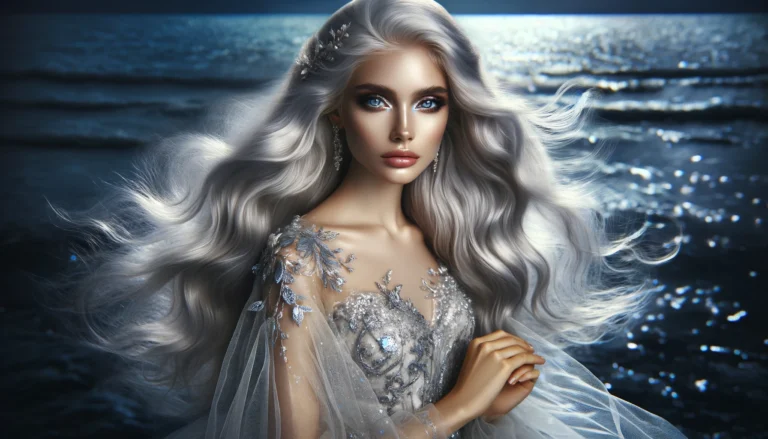
In the rich tapestry of Irish mythology, the term “Fand” stands out as a fascinating figure. Fand is often associated with themes of love, beauty, and the otherworldly realms of the Tuatha Dé Danann, the mythical race of gods and goddesses in Irish folklore. She is known for her ethereal qualities and her connection to the sea, embodying both the allure and the dangers that come with it. Fand’s story intertwines with that of other significant mythological characters, most notably Cú Chulainn, the legendary hero of Ireland. The tales surrounding her provide insight into the complex relationships and values of ancient Irish culture.
The Origins of Fand
Fand’s origins are steeped in the mystique of the Tuatha Dé Danann, a group of deities in Irish mythology who were believed to inhabit the Otherworld. This Otherworld was often depicted as a realm of eternal youth and beauty, contrasting sharply with the mortal world. Fand is often described as a goddess of love and beauty, and her presence signifies the intertwining of the human experience with the divine. In various myths, she is portrayed as a figure who possesses both enchanting beauty and profound wisdom, making her a captivating character in the lore of Ireland.
 Emain Ablach
One of the most notable aspects of Fand is her connection to the sea. Many legends describe her as a sea goddess, often associated with the waves and the mysteries of the ocean. This association highlights the ancient Irish belief in the sea as a source of both life and danger. Fand’s role as a marine deity places her in a unique position within the pantheon of Irish gods, allowing her to navigate both the mortal and divine worlds. Her stories often reflect the duality of love—its capacity to uplift and its potential to cause heartache.
The Tale of Fand and Cú Chulainn
One of the most famous stories involving Fand is her romantic entanglement with Cú Chulainn, the hero of the Ulster Cycle. Cú Chulainn is known for his unmatched prowess in battle and his tragic fate. Fand’s love for him is a central theme in their story, showcasing the deep emotional currents that run through Irish mythology. Their relationship is marked by passion and conflict, illustrating the complexities of love in a world filled with war and strife.
The tale begins when Cú Chulainn, while wandering near the coast, encounters Fand. Struck by her beauty, he is immediately captivated. Fand, in turn, is enchanted by Cú Chulainn’s bravery and strength. Their love blossoms amidst the backdrop of the sea, symbolizing both their deep connection and the challenges they must face. However, their union is complicated by the presence of Cú Chulainn’s wife, Emer, leading to a series of dramatic events that test their love and loyalty.
 Ethlinn
Key Themes in Their Relationship
- Love and Desire: The attraction between Fand and Cú Chulainn is intense, highlighting the passionate nature of their relationship.
- Conflict: The love triangle involving Emer introduces tension and conflict, showcasing the challenges of love in a heroic context.
- Heroism: Cú Chulainn’s heroic status adds layers to their relationship, as he navigates the expectations of a warrior and a lover.
Ultimately, the love story of Fand and Cú Chulainn reflects the broader themes of sacrifice and destiny in Irish mythology. Their relationship, while beautiful, is fraught with complications that echo the struggles faced by many heroes in ancient tales. The choices they make have lasting consequences, emphasizing the idea that love is not merely a simple emotion but a complex force that shapes lives and destinies.
The Role of Fand in Irish Mythology
Fand’s role in Irish mythology extends beyond her relationship with Cú Chulainn. She is often depicted as a powerful figure who embodies the essence of the feminine divine. Her character reflects the multifaceted nature of women in mythology, showcasing both strength and vulnerability. Fand serves as a reminder of the importance of female figures in ancient stories, as they often hold significant power and influence over the events that unfold.
 Emer
EmerIn addition to her romantic endeavors, Fand is also associated with the Otherworld. This realm, where time flows differently and magic abounds, is central to many Irish myths. Fand’s connection to this mystical place emphasizes her role as a bridge between the mortal and divine realms. She often appears in stories as a guide or protector, leading heroes on their journeys and helping them navigate the challenges they face.
Symbolism of Fand
- Beauty: Fand’s physical appearance symbolizes the allure of the divine, drawing mortals into her world.
- Love: As a goddess of love, she represents the transformative power of affection and desire.
- Danger: Her connection to the sea serves as a reminder of the unpredictable nature of love and life.
The symbolism surrounding Fand is rich and varied. Her beauty is not just superficial; it represents the power of attraction and the depths of human desire. The stories of her interactions with mortals often reveal the duality of love—its capacity to inspire and its potential to lead to heartache. Fand embodies the idea that love can be both a blessing and a curse, a theme that resonates throughout Irish mythology.
Fand and the Otherworld
The Otherworld is a recurring theme in Irish mythology, representing a place of eternal youth, beauty, and magic. Fand’s connection to this realm is significant, as it underscores her role as a powerful deity who can traverse the boundaries between worlds. The Otherworld is often depicted as a paradise, free from the troubles of mortal life, and Fand serves as a guide for those who seek to enter this mystical domain.
In many myths, Fand invites heroes to the Otherworld, offering them a chance to experience its wonders. However, these invitations often come with a price. Heroes must prove their worthiness and navigate the challenges presented to them. This dynamic highlights the idea that access to the Otherworld is not easily granted; it requires courage, sacrifice, and a deep understanding of the forces at play.
The Importance of the Otherworld in Fand’s Stories
- Escape: The Otherworld represents an escape from the hardships of mortal life.
- Transformation: Heroes who enter the Otherworld often undergo significant transformations, gaining wisdom and strength.
- Consequences: Interactions with the Otherworld can have lasting effects on both mortals and deities.
Fand’s stories often emphasize the transformative power of the Otherworld. Characters who journey to this realm frequently return changed, carrying newfound knowledge and experiences. However, these journeys are not without consequences. The lessons learned in the Otherworld can impact a hero’s fate, influencing their actions and decisions in the mortal realm. Fand, as a guide and facilitator of these journeys, plays a crucial role in shaping the destinies of those who seek her assistance.
Fand’s Legacy in Modern Culture
Fand’s influence extends beyond ancient tales, finding resonance in modern culture. Her character has inspired numerous adaptations in literature, art, and popular media. The themes of love, beauty, and the Otherworld continue to captivate audiences, making Fand a relevant figure even in contemporary storytelling. Many modern interpretations of Fand explore her complexities, offering new perspectives on her character and the challenges she faces.
In literature, Fand often appears in retellings of Irish myths, where authors seek to explore the depths of her character. These adaptations highlight her dual nature as both a lover and a powerful goddess, delving into the emotional intricacies of her relationships. Artists have also found inspiration in Fand, depicting her in various forms, from paintings to sculptures, capturing her beauty and mystique.
Fand in Popular Media
- Literature: Many authors have incorporated Fand into their works, exploring her story in new and innovative ways.
- Art: Visual artists have portrayed Fand in various styles, showcasing her ethereal beauty and connection to the sea.
- Film and Television: Fand’s character has appeared in adaptations of Irish mythology, bringing her story to new audiences.
The modern portrayal of Fand often emphasizes her strength and independence, showcasing her as a multifaceted character rather than a mere object of desire. This shift reflects broader societal changes in the perception of female figures in mythology, allowing for a more nuanced understanding of their roles. As audiences continue to engage with Fand’s story, her legacy as a powerful and complex figure in Irish mythology endures.
Fand’s presence in Irish mythology is a testament to the rich and intricate storytelling tradition of Ireland. Her character embodies the complexities of love, beauty, and the Otherworld, making her a compelling figure in ancient tales. Through her relationships and experiences, Fand offers insights into the human condition, reflecting the joys and sorrows that accompany love. As her legacy continues to inspire modern interpretations, Fand remains a vital part of the tapestry of Irish mythology.