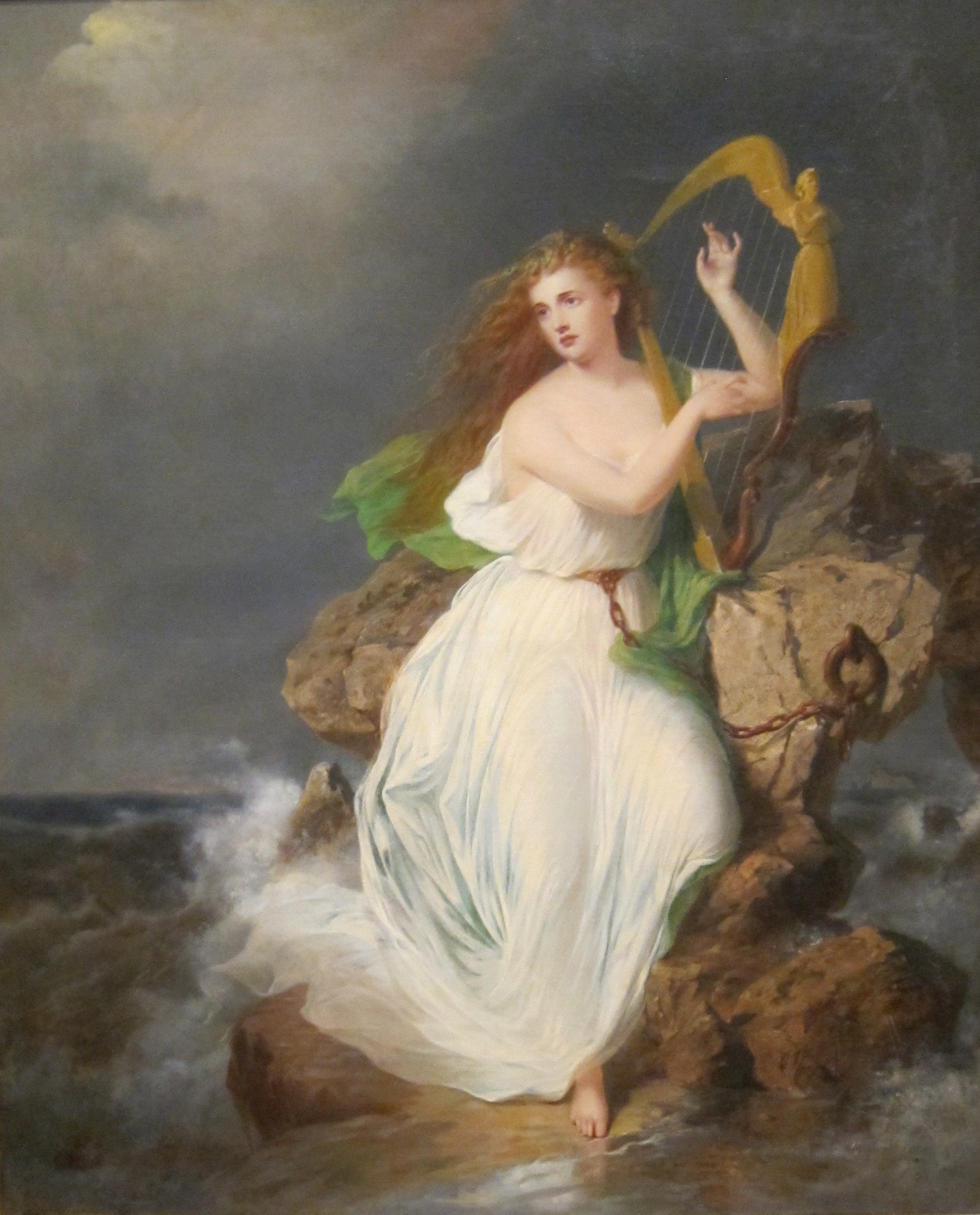
Ériu is a prominent figure in Irish mythology, often recognized as one of the three main goddesses of the Tuatha Dé Danann, the mythological race of supernatural beings in Irish lore. She is not just a goddess of the land; her name is also the etymological root for the modern name of Ireland, “Éire.” Ériu embodies the spirit of the land and its people, serving as a vital connection between the natural world and the divine. Her stories and characteristics reflect the values, beliefs, and culture of ancient Irish society, making her a central figure in understanding the rich tapestry of Irish mythology.
The Origins of Ériu
The origins of Ériu are deeply intertwined with the ancient history of Ireland. According to mythology, she is one of the three daughters of the sea god, Fintan mac Bóchra, and her sisters are Banba and Fódla. Each sister is associated with the land and plays a significant role in the mythology of Ireland. The Tuatha Dé Danann, which includes Ériu, are said to have arrived in Ireland from the distant lands of the north, bringing with them advanced knowledge and magical abilities. Ériu, as a goddess of sovereignty, is often depicted as a protector of the land, ensuring its fertility and prosperity.
 Étaín
ÉtaínIn many stories, Ériu is described as a strong and beautiful woman, embodying the essence of Ireland itself. Her name is derived from the Old Irish word for “to be,” symbolizing her eternal connection to the land. This connection is crucial, as Ériu’s well-being is directly tied to the health of the land and its people. The ancient Irish believed that honoring Ériu through rituals and offerings was essential for ensuring good harvests and favorable weather. This relationship highlights the deep respect that the ancient Irish had for nature and their environment.
Ériu and the Tuatha Dé Danann
The Tuatha Dé Danann are central figures in Irish mythology, and Ériu holds a prominent place among them. This mystical race is often depicted as gods and goddesses who possess incredible powers and knowledge. Ériu, along with her sisters, is often seen as a symbol of the land itself, representing its beauty, strength, and resilience. The Tuatha Dé Danann are known for their battles against the Fomorians, a race of chaotic beings that represent the forces of nature that threaten the stability of the land.
In many tales, Ériu plays a critical role in these battles, rallying her people and using her powers to protect the land. She is often portrayed as a wise and strategic leader, guiding her people through challenges and ensuring their survival. The stories of Ériu and the Tuatha Dé Danann reflect the ancient Irish belief in the importance of community and the strength that comes from unity. Ériu’s leadership symbolizes the ideal qualities of a ruler—wisdom, bravery, and a deep connection to the land and its people.
 Dubthach Dóeltenga
Key Attributes of Ériu
- Goddess of Sovereignty: Ériu is often seen as the embodiment of Ireland’s sovereignty, representing the connection between the land and its rulers.
- Protector of the Land: She is a guardian of the natural world, ensuring the fertility and prosperity of the land.
- Symbol of Resilience: Ériu embodies the strength and resilience of the Irish people, reflecting their ability to overcome challenges.
- Connection to Nature: Ériu’s essence is tied to the natural world, highlighting the ancient Irish reverence for nature.
These attributes of Ériu not only showcase her importance in mythology but also reflect the values of the ancient Irish society. Her role as a goddess of sovereignty indicates the significance of the land in the identity of the Irish people. The stories of Ériu are not just tales of gods and goddesses; they are narratives that convey the deep connection between the people and their homeland, illustrating the importance of stewardship and respect for nature.
Ériu in Literature and Folklore
Ériu appears in various ancient texts and folklore, highlighting her significance in Irish culture. One of the most notable references to Ériu is found in the Book of Invasions, a medieval text that chronicles the history of Ireland through mythological accounts. In this text, Ériu is depicted as a fierce protector of the land, fighting against invaders and ensuring the safety of her people. This narrative emphasizes her role as a warrior goddess, showcasing her strength and determination.
Another important source is the Lebor Gabála Érenn, also known as the “Book of the Taking of Ireland.” This text details the various invasions of Ireland and the establishment of the Tuatha Dé Danann. Ériu is often mentioned in these accounts, serving as a symbol of the land’s sovereignty and identity. Her presence in these texts underscores the idea that the land is sacred and that the people have a divine connection to it.
 Dubh Lacha
Folklore and Oral Traditions
- Stories of Ériu: Many tales passed down through generations highlight Ériu’s bravery and wisdom.
- Rituals and Offerings: The ancient Irish performed rituals to honor Ériu, seeking her blessings for good harvests.
- Legends of Protection: Folklore often depicts Ériu as a guardian against invaders and natural disasters.
The oral traditions surrounding Ériu are rich and varied, with countless stories that illustrate her character and significance. These tales often serve as moral lessons, teaching the values of bravery, loyalty, and respect for the land. Through these stories, Ériu becomes a figure of inspiration for generations, embodying the ideals that the ancient Irish held dear. The rituals and offerings made to Ériu reflect a deep reverence for her, highlighting the importance of maintaining a harmonious relationship with the land.
Ériu and the Modern World
In contemporary Ireland, Ériu remains a symbol of national identity and cultural heritage. Her name is used in various contexts, from literature to art, signifying a deep connection to the land and its history. Many modern Irish people celebrate their connection to Ériu as a way of honoring their ancestors and the rich traditions of their homeland. Festivals and events often incorporate themes related to Ériu, celebrating the beauty and strength of the land.
Moreover, the resurgence of interest in Irish mythology and folklore has led to a renewed appreciation for figures like Ériu. Scholars, artists, and enthusiasts explore her stories and attributes, keeping the ancient traditions alive in a modern context. This revival reflects a broader movement to reconnect with cultural roots and understand the significance of mythology in shaping national identity.
Ériu in Popular Culture
- Literature: Ériu has inspired numerous authors and poets, leading to the creation of works that explore her character and stories.
- Art: Many artists depict Ériu in various forms, capturing her essence and the beauty of the Irish landscape.
- Film and Media: Modern adaptations of Irish myths often include references to Ériu, showcasing her enduring legacy.
The influence of Ériu can be seen in various forms of popular culture, where her character is reimagined and celebrated. Literature often draws upon her stories, weaving them into narratives that resonate with contemporary audiences. Artists find inspiration in her symbolism, creating works that reflect the beauty of Ireland and its mythology. Additionally, films and media continue to explore Irish myths, introducing Ériu to new generations and ensuring that her legacy endures.
Ériu in Festivals and Celebrations
Ériu is often honored during various festivals and celebrations throughout Ireland. These events typically celebrate the changing seasons, agricultural cycles, and the deep connection between the people and the land. During these festivals, rituals are performed to pay homage to Ériu, seeking her blessings for good fortune and prosperity. Traditional music, dance, and storytelling are integral parts of these celebrations, reinforcing the communal spirit and the cultural heritage of the Irish people.
One of the most significant festivals is Bealtaine, which marks the beginning of summer. During this time, people celebrate fertility and growth, reflecting the themes associated with Ériu. Bonfires are lit, and various offerings are made to honor the goddess, ensuring that the land remains fertile and bountiful. The festival serves as a reminder of the importance of the natural world and the need to maintain a harmonious relationship with it.
Community and Connection
- Gathering of People: Festivals provide an opportunity for communities to come together and celebrate their shared heritage.
- Storytelling: Oral traditions are passed down through generations, keeping the stories of Ériu alive.
- Environmental Awareness: Modern celebrations often emphasize the importance of protecting the land and its resources.
The festivals dedicated to Ériu foster a sense of community and connection among the people. They serve as a reminder of the shared history and cultural identity that binds individuals together. Through storytelling and rituals, the essence of Ériu continues to thrive, connecting the past with the present. Additionally, many modern celebrations incorporate themes of environmental awareness, emphasizing the importance of protecting the land that Ériu embodies.
Ériu, as a central figure in Irish mythology, represents much more than just a goddess; she symbolizes the deep connection between the Irish people and their land. Her stories and attributes reflect the values, beliefs, and cultural heritage of Ireland, making her a vital part of the nation’s identity. Through literature, folklore, festivals, and modern interpretations, Ériu continues to inspire and resonate with people today, ensuring that her legacy endures for generations to come.