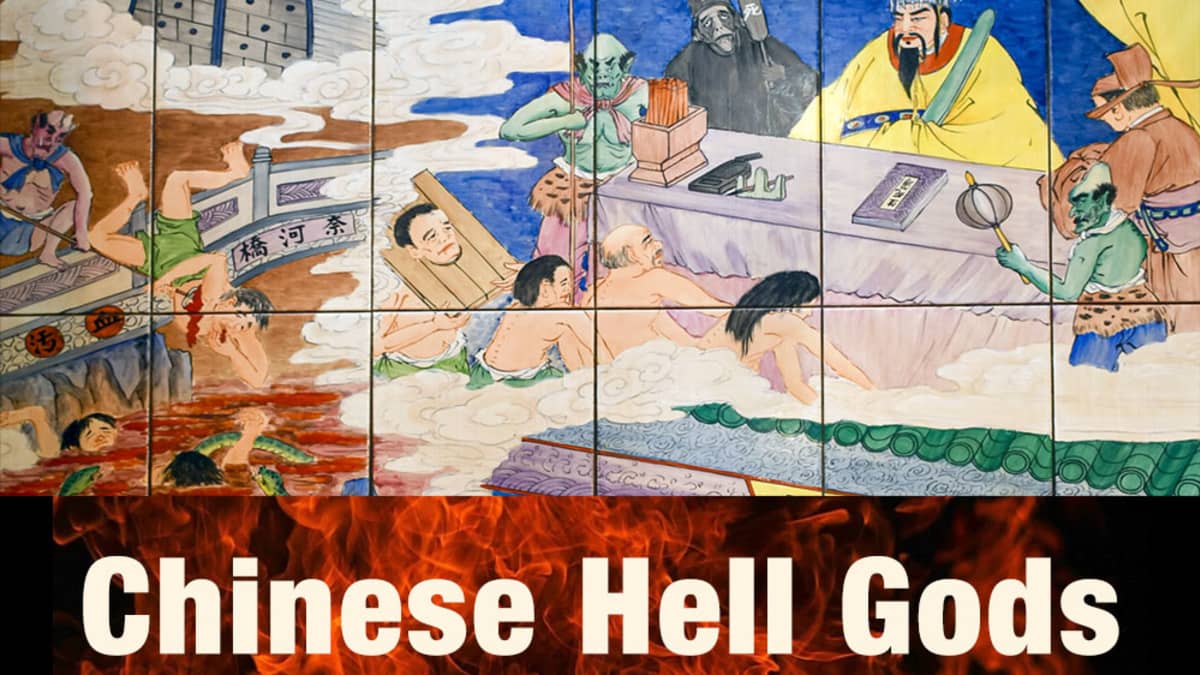
Dushi Wang, also known as the King of the Dead, is a significant figure in Chinese mythology. He is often associated with the underworld and the transition of souls after death. In traditional Chinese beliefs, the afterlife is a complex realm, and Dushi Wang plays a crucial role in guiding souls to their final destinations. The mythology surrounding Dushi Wang is rich and varied, often intertwining with other deities and spirits that inhabit the world of the dead.
Origins of Dushi Wang
The origins of Dushi Wang can be traced back to ancient Chinese beliefs about the afterlife. The concept of an underworld is prevalent in many cultures, but in China, it is particularly elaborate. Dushi Wang is often depicted as a stern but fair ruler, responsible for maintaining order in the realm of the dead. His character is influenced by various historical figures and legendary tales that have evolved over centuries.
 Long Wang
In early Chinese texts, Dushi Wang is sometimes identified with Yama, the god of death in Hindu mythology, indicating a possible cross-cultural influence. The blending of ideas from different traditions has enriched the character of Dushi Wang, making him a multifaceted deity. His role has also been shaped by regional variations, with different provinces having unique interpretations of his character and functions.
Symbolism and Representation
Dushi Wang is often symbolized by various elements that reflect his authority over the dead. He is frequently depicted wearing a dark robe, signifying his connection to the underworld. His appearance is usually accompanied by a stern expression, emphasizing his role as a judge of souls. In art, he may be shown holding a scroll or a staff, representing his power to record and guide the souls of the deceased.
Additionally, Dushi Wang is associated with certain animals, particularly the black dog, which is believed to guide souls in the afterlife. The dog is seen as a loyal companion, ensuring that no soul is left behind. This symbolism reinforces the idea of Dushi Wang as a protector of souls, ensuring their safe passage to the afterlife.
 Taishan Wang
The Underworld: Dushi Wang’s Domain
The underworld, often referred to as Di Yu in Chinese, is a vast and complex realm where souls go after death. Dushi Wang rules over this domain, which is divided into various levels or courts, each designated for different types of souls. The structure of the underworld reflects the belief in karma and the moral weight of one’s actions during their lifetime.
- First Court: This is where souls are judged based on their deeds. Dushi Wang listens to their stories and determines their fate.
- Second Court: Souls that have committed minor wrongs may be sent here for purification before moving on.
- Third Court: The most severe punishments are reserved for the worst offenders, often involving lengthy periods of suffering.
The concept of the underworld is not merely a place of punishment; it also serves as a space for reflection and atonement. Dushi Wang’s role is to ensure that every soul receives a fair judgment, allowing them to understand the consequences of their actions. This belief in justice contributes to the moral framework of Chinese society, emphasizing the importance of living a virtuous life.
Dushi Wang in Popular Culture
Dushi Wang has transcended ancient texts and has found a place in modern popular culture. His character appears in various forms of media, including literature, film, and video games. These adaptations often explore themes of life, death, and morality, reflecting the ongoing relevance of Dushi Wang in contemporary society.
 Shun
ShunIn literature, stories about Dushi Wang often depict his interactions with living characters, who seek to understand the nature of life and death. These narratives emphasize the importance of respecting the dead and understanding the consequences of one’s actions. Through these stories, Dushi Wang becomes a bridge between the living and the dead, reminding audiences of the interconnectedness of all life.
Rituals and Offerings to Dushi Wang
In traditional Chinese culture, rituals and offerings are often made to appease deities, including Dushi Wang. These rituals are conducted during specific festivals, such as the Ghost Festival, where families honor their ancestors and seek Dushi Wang’s favor. During this time, offerings of food, incense, and paper money are made to ensure that the spirits of the dead are content.
Families may set up altars in their homes or visit temples dedicated to Dushi Wang. The rituals often involve prayers and the burning of incense, which is believed to carry messages to the spirit world. These practices reflect a deep respect for the deceased and a desire to maintain a connection with them, showcasing the enduring impact of Dushi Wang in daily life.
Dushi Wang’s Influence on Morality
Dushi Wang’s role as a judge of souls has a profound influence on the moral fabric of Chinese society. His character embodies the principles of justice, accountability, and the consequences of one’s actions. This belief system encourages individuals to live virtuous lives, as their actions will ultimately determine their fate in the afterlife.
Many parents use stories of Dushi Wang to teach their children about morality. By emphasizing the importance of good deeds and the repercussions of bad behavior, these stories instill a sense of responsibility and ethics in young minds. Dushi Wang serves as a reminder that one’s actions have lasting consequences, shaping the values and beliefs of future generations.
Comparative Analysis with Other Mythologies
Dushi Wang can be compared to similar figures in other mythologies around the world. For instance, the Greek god Hades shares some characteristics with Dushi Wang, as both are rulers of the underworld. However, while Hades is often portrayed as a more passive figure, Dushi Wang is actively involved in judging and guiding souls.
Similarly, in Egyptian mythology, Osiris serves as a judge of the dead, weighing the hearts of souls against a feather to determine their fate. This comparison highlights a common theme in many cultures: the idea of an afterlife where moral actions are evaluated. Each culture interprets these themes through its own unique lens, reflecting its values and beliefs.
Modern Interpretations and Adaptations
In recent years, there has been a resurgence of interest in Chinese mythology, including Dushi Wang. Contemporary authors and filmmakers are reimagining these ancient stories, often blending traditional elements with modern themes. This has led to a new appreciation for Dushi Wang, as he becomes a symbol of the complexities of life and death.
Many modern adaptations focus on the emotional aspects of Dushi Wang’s character, portraying him as a more relatable figure. These interpretations explore his struggles and responsibilities, adding depth to his persona. By humanizing Dushi Wang, creators are able to connect with audiences on a deeper level, making ancient mythology relevant in today’s world.
The Legacy of Dushi Wang
Dushi Wang’s legacy continues to thrive in various aspects of Chinese culture. His character serves as a reminder of the importance of respecting the dead and understanding the consequences of one’s actions. As society evolves, the essence of Dushi Wang remains, reflecting the timeless nature of moral lessons.
In many communities, festivals honoring Dushi Wang and the spirits of the dead are still widely celebrated. These events foster a sense of community and connection to ancestors, reinforcing cultural identity. The legacy of Dushi Wang is not just about the past; it is a living tradition that continues to shape the values and beliefs of Chinese society today.