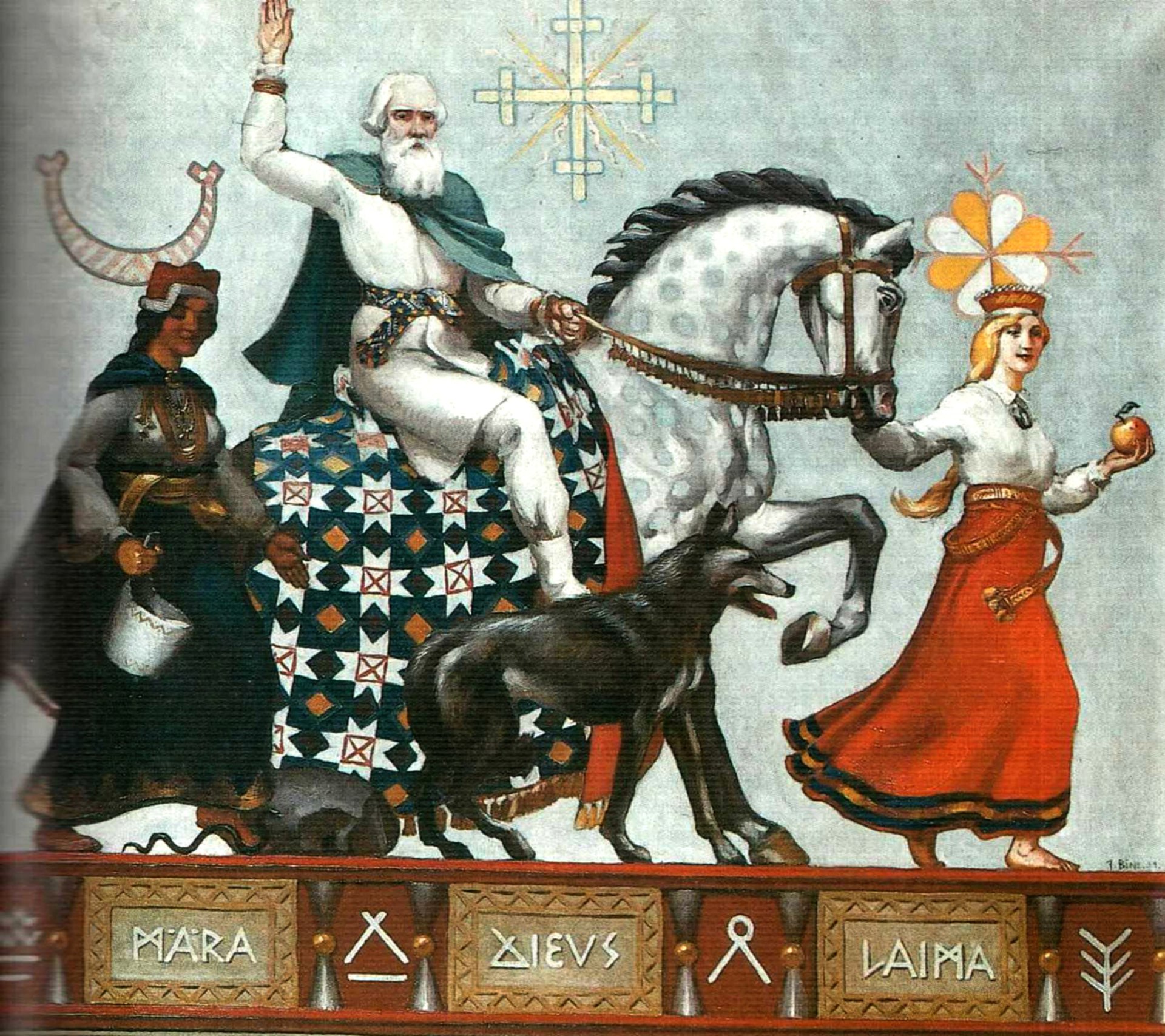
In Latvian mythology, Dievs holds a significant place as a central deity. He is often seen as the god of the sky, light, and creation. In many ways, Dievs embodies the essence of goodness and order in the universe. His presence is associated with various natural phenomena, including the sun, rain, and the changing seasons. The ancient Latvians revered Dievs, often invoking his name in rituals and prayers to seek his blessings. This article will explore the different aspects of Dievs, his characteristics, and his role in the Latvian mythological landscape.
Characteristics of Dievs
Dievs is often depicted as a benevolent figure, embodying the qualities of wisdom, strength, and justice. He is considered the creator of the world and all living beings, which places him at the center of the Latvian pantheon. The name Dievs itself is believed to be derived from the Indo-European root word for “god,” highlighting his universal significance across different cultures. His character is multifaceted; while he is a god of light and order, he also possesses the ability to judge and punish those who stray from the path of righteousness.
 Cerklicing
In Latvian folklore, Dievs is often associated with the sun, which is seen as a source of life and warmth. This connection to the sun reinforces his role as a provider and protector of humanity. The sun’s journey across the sky is interpreted as a manifestation of Dievs’ watchful presence over the earth. Many rituals and celebrations in Latvia are dedicated to the sun, further emphasizing the importance of Dievs in these cultural practices.
Dievs and Nature
Dievs’ connection to nature is profound. He is seen as the ruler of the natural world, overseeing the balance of ecosystems and the cycles of life. The ancient Latvians believed that Dievs controlled the weather, which made him a crucial figure for farmers and communities dependent on agriculture. They would pray to Dievs for favorable conditions, such as rain and sunshine, to ensure a bountiful harvest.
 Bangu Mate
- Weather Control: Dievs is often called upon to bring rain during dry spells or sunshine during gloomy days.
- Seasonal Changes: The changing of the seasons is attributed to Dievs, reflecting his control over nature’s rhythms.
- Animal Protection: Dievs is also seen as a protector of animals, ensuring their safety and abundance in the wild.
In many stories, Dievs is depicted as walking through the forests and fields, blessing the land and its inhabitants. This imagery reinforces the idea that Dievs is not a distant god but rather a present and active force in the lives of the Latvian people. He is often portrayed as a figure who nurtures and cares for his creations, highlighting the deep bond between the deity and the natural world.
Dievs in Latvian Rituals
Rituals dedicated to Dievs are an essential part of Latvian culture. These ceremonies often take place during significant seasonal changes, such as the summer solstice or harvest festivals. During these times, people gather to honor Dievs, offering prayers and sacrifices to seek his favor. The rituals may include singing traditional songs, dancing, and lighting bonfires, all of which are believed to attract Dievs’ attention and blessings.
One of the most notable festivals is Jāņi, celebrated during the summer solstice. This festival honors the sun and Dievs, symbolizing the triumph of light over darkness. During Jāņi, people engage in various activities, such as weaving flower crowns, jumping over bonfires, and singing folk songs. These practices are not only a way to celebrate nature but also a means of connecting with Dievs and expressing gratitude for the abundance of life.
 Auseklis
Symbols Associated with Dievs
Several symbols are closely associated with Dievs in Latvian mythology. These symbols often reflect his qualities and the aspects of life he governs. Understanding these symbols provides deeper insight into how the ancient Latvians viewed their world and their relationship with the divine.
- The Sun: Represents light, life, and the guiding force of Dievs.
- Thunder: Symbolizes Dievs’ power and ability to bring order through natural forces.
- Greenery: Associated with growth and fertility, reflecting Dievs’ nurturing aspect.
The sun, as a primary symbol of Dievs, appears in various forms in art and folklore. It is often depicted in traditional Latvian designs and motifs, serving as a reminder of Dievs’ presence in everyday life. Similarly, thunder is a powerful symbol that conveys Dievs’ might and authority over the natural world. It is not uncommon for people to interpret thunder as a sign of Dievs’ approval or disapproval, reinforcing his role as a judge of human actions.
Dievs and the Latvian Pantheon
Dievs is not the only deity in Latvian mythology; he is part of a larger pantheon that includes various gods and goddesses, each with their own unique attributes and responsibilities. This pantheon reflects the complex understanding the ancient Latvians had of the world around them. While Dievs is often seen as the chief deity, other figures play important roles in the mythological narratives.
For instance, Laima is the goddess of fate and destiny, often invoked during significant life events such as births and marriages. She is believed to work alongside Dievs, influencing the course of human lives while he oversees the broader cosmic order. The relationship between Dievs and Laima showcases the interconnectedness of different deities and their collaborative roles in maintaining balance in the universe.
Other Deities in the Pantheon
In addition to Laima, several other deities complement Dievs in the Latvian mythological framework. Each of these gods and goddesses represents different elements of life, nature, and the human experience.
- Perkons: The god of thunder and storms, often seen as a warrior figure who protects the earth from evil forces.
- Vaidelote: A goddess associated with healing and protection, particularly for women and children.
- Jānis: A god of fertility and agriculture, closely linked to the cycles of planting and harvesting.
The presence of these deities highlights the rich tapestry of beliefs held by the ancient Latvians. Each figure plays a specific role in the mythos, contributing to the overall understanding of life, death, and the forces of nature. Together, they create a narrative that emphasizes the importance of harmony and balance in the world, with Dievs as the central figure who ensures that order prevails.
Dievs in Contemporary Culture
Even in modern Latvia, the influence of Dievs and the myths surrounding him remain relevant. Many people continue to celebrate traditional festivals that honor Dievs, blending ancient customs with contemporary practices. These celebrations serve as a way to connect with cultural heritage and foster a sense of community among participants.
Art, music, and literature also reflect the enduring legacy of Dievs. Contemporary artists often draw inspiration from Latvian mythology, incorporating themes related to Dievs into their works. This artistic expression not only preserves the stories of the past but also introduces them to new audiences, ensuring that the essence of Dievs remains alive in the collective consciousness.
Revival of Traditional Practices
In recent years, there has been a resurgence of interest in traditional Latvian practices, including those that honor Dievs. Many people are seeking to reconnect with their roots and understand the significance of their cultural heritage. This revival includes learning folk songs, dances, and rituals that celebrate Dievs and the natural world.
- Workshops: Communities organize workshops to teach traditional crafts and rituals related to Dievs.
- Festivals: Annual festivals dedicated to Dievs attract participants from various backgrounds, celebrating the richness of Latvian culture.
- Educational Programs: Schools and cultural institutions incorporate lessons on Latvian mythology, including the role of Dievs, into their curricula.
This revival not only strengthens cultural identity but also fosters a greater appreciation for the wisdom embedded in Latvian mythology. By celebrating Dievs and his significance, people are reminded of the importance of nature, community, and the interconnectedness of all life.
Dievs stands as a pillar of Latvian mythology, embodying the values of light, order, and creation. His influence extends beyond ancient rituals, shaping contemporary culture and identity in Latvia. Through the exploration of Dievs, we gain insight into the profound relationship between the Latvian people and their environment, as well as the enduring legacy of their mythological traditions.