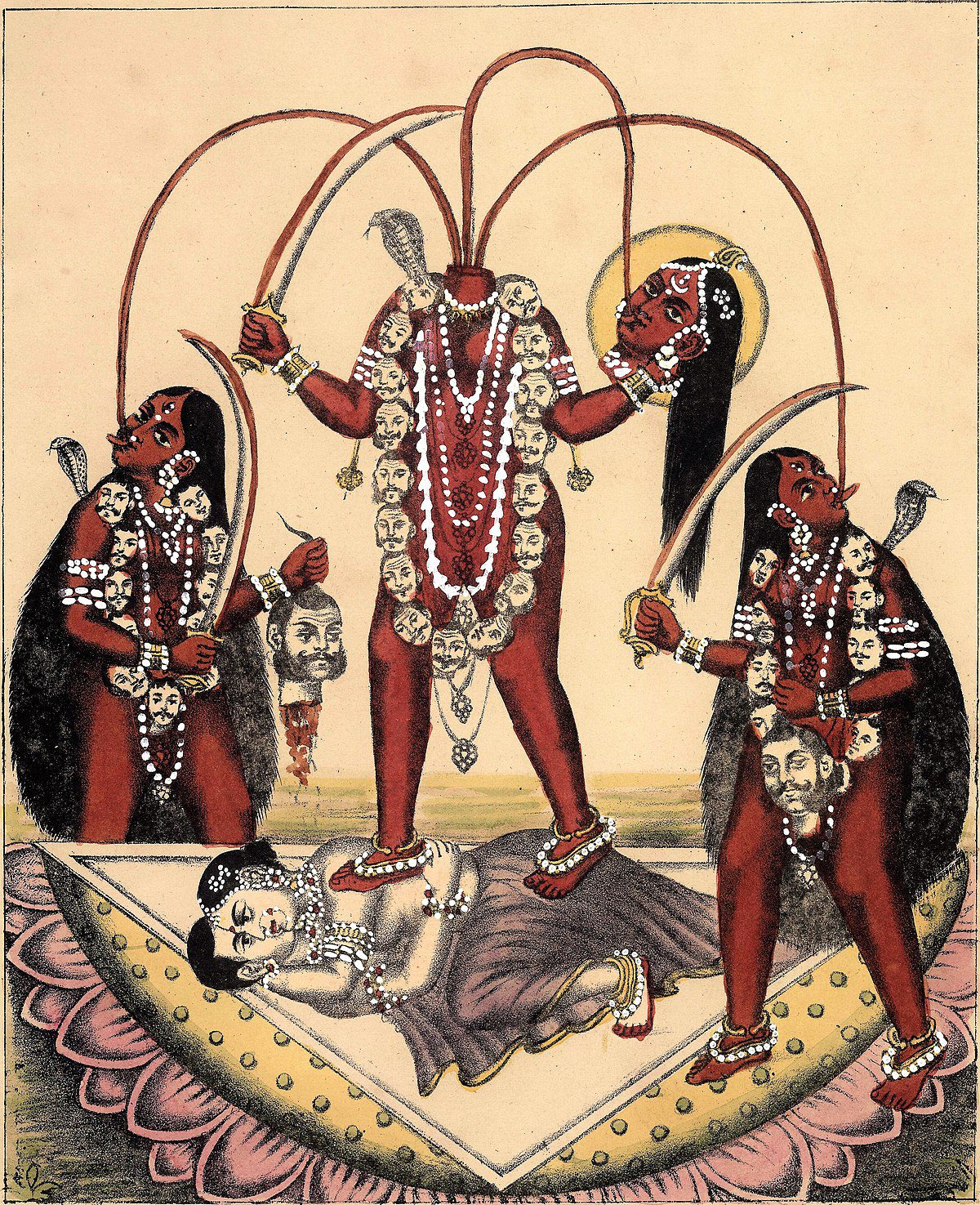
Chinnamastaka is a fascinating aspect of Hindu mythology that delves into the complex narratives surrounding divine figures. This deity is often depicted in unique and thought-provoking ways, representing a variety of themes and philosophies within Hinduism. The name Chinnamastaka translates to “the one with a severed head,” which hints at the profound symbolism associated with this goddess. Her image often raises questions about life, death, and the cyclical nature of existence, making her a compelling subject for exploration. Understanding Chinnamastaka requires a closer examination of her origins, symbolism, and the cultural context in which she is revered.
Origins of Chinnamastaka
The origins of Chinnamastaka can be traced back to ancient texts and scriptures, where she is mentioned as a form of the goddess Durga. Durga herself is a powerful figure in Hindu mythology, often depicted as a warrior goddess who battles evil forces. Chinnamastaka is one of the many manifestations of Durga, embodying the fierce and protective aspects of the divine feminine. Her stories often illustrate the struggle between good and evil, emphasizing the importance of strength and resilience in the face of adversity.
 Chamunda
In many texts, Chinnamastaka is associated with the Shakta tradition, which emphasizes the worship of the divine feminine energy, known as Shakti. This tradition celebrates the power of women and the importance of feminine energy in the cosmos. Chinnamastaka’s narratives often highlight the duality of creation and destruction, illustrating how these forces coexist and shape the universe. Her origins can also be linked to the Tantric practices in Hinduism, where she is revered as a goddess who transcends conventional boundaries of morality and existence.
Symbolism of Chinnamastaka
The symbolism surrounding Chinnamastaka is rich and multifaceted. Her most striking feature is her severed head, which she holds in one hand while blood flows from her neck. This image can be quite shocking, but it is laden with meaning. The severed head represents the idea of ego and the relinquishing of attachments. In Hindu philosophy, the ego is often seen as a source of suffering, and Chinnamastaka’s act of severing her own head symbolizes the transcendence of the self. This act encourages devotees to let go of their ego and material desires, seeking a deeper connection with the divine.
Moreover, Chinnamastaka is often depicted surrounded by paranormal entities, such as ghosts and spirits, which further emphasizes her connection to the mystical aspects of life and death. These figures are often seen as guardians of the afterlife, and their presence signifies the cyclical nature of existence. Chinnamastaka’s ability to navigate between the realms of life and death positions her as a powerful figure in Hindu mythology, representing the idea that death is not an end, but a transformation.
 Chaitanya
Cultural Significance
Chinnamastaka holds significant cultural importance within various Hindu communities. Her worship often takes place during specific festivals and rituals, where devotees seek her blessings for strength and protection. The goddess is also invoked for guidance in overcoming personal challenges and obstacles. In many regions, she is celebrated through elaborate rituals and ceremonies that emphasize the themes of empowerment and resilience. These rituals often include offerings, prayers, and meditative practices aimed at connecting with her divine energy.
Additionally, Chinnamastaka’s imagery can be found in various forms of art and literature throughout India. Her depictions often serve as a reminder of the power of the feminine divine and the importance of acknowledging both the nurturing and fierce aspects of womanhood. Artists and poets draw inspiration from her stories, exploring themes of sacrifice, transformation, and the balance between creation and destruction. This cultural significance ensures that Chinnamastaka remains a relevant figure in contemporary discussions surrounding gender, spirituality, and empowerment.
 Chandra
Chinnamastaka in Modern Context
In recent years, the figure of Chinnamastaka has gained attention beyond traditional Hindu circles. Many modern spiritual movements and feminist interpretations of Hindu mythology have embraced her as a symbol of female empowerment and autonomy. Her narrative challenges conventional gender roles and encourages women to embrace their strength and individuality. As society continues to grapple with issues of gender inequality and empowerment, Chinnamastaka’s story resonates with those seeking inspiration from ancient wisdom.
Furthermore, Chinnamastaka has become a focal point for discussions around mental health and the importance of self-acceptance. Her act of severing the head can be interpreted as a metaphor for breaking free from societal expectations and internalized limitations. Many individuals find solace in her narrative, viewing it as a reminder to prioritize self-care and personal growth. In this way, Chinnamastaka serves not only as a mythological figure but also as a source of empowerment for contemporary audiences.
Chinnamastaka in Ritual Practices
Ritual practices dedicated to Chinnamastaka vary across regions and communities, reflecting the diverse interpretations of her significance. In many traditions, her worship involves elaborate ceremonies that include offerings of flowers, fruits, and other items symbolizing devotion. These rituals are often accompanied by chants and prayers, invoking her blessings for strength and protection. Devotees believe that by participating in these rituals, they can connect with her divine energy and seek her guidance in overcoming challenges.
- Offerings: Common offerings include sweets, rice, and various fruits, which are believed to please the goddess.
- Chants: Specific mantras and hymns dedicated to Chinnamastaka are recited to invoke her presence.
- Festivals: Special festivals celebrate her, often featuring processions, dance, and music.
In some communities, Chinnamastaka’s worship is intertwined with local traditions and customs, creating a unique blend of practices that reflect the cultural heritage of the region. This integration of local beliefs with the worship of Chinnamastaka enriches the overall experience for devotees, fostering a sense of belonging and community. Rituals dedicated to her are not only spiritual practices but also opportunities for social bonding and cultural expression.
Chinnamastaka in Art and Literature
Chinnamastaka has inspired countless artists, poets, and writers throughout history. Her striking imagery and powerful symbolism have been captured in various forms of art, ranging from traditional paintings to modern interpretations. Artists often depict her in dynamic poses, showcasing her strength and ferocity. These representations serve as a reminder of the goddess’s dual nature, embodying both the nurturing and destructive aspects of femininity.
In literature, Chinnamastaka’s narratives have been explored in poems, stories, and plays, often highlighting her role as a protector and a symbol of empowerment. Writers draw upon her mythological background to explore themes of sacrifice, resilience, and the complexities of womanhood. Through these artistic expressions, Chinnamastaka’s influence extends beyond religious contexts, becoming a source of inspiration for those seeking to understand the intricacies of the human experience.
Chinnamastaka’s Influence on Feminism
The figure of Chinnamastaka has garnered attention within feminist discourse, particularly in discussions surrounding the empowerment of women. Her narrative challenges traditional notions of femininity, illustrating that women can embody strength and ferocity while still being nurturing and compassionate. Feminists often draw upon her story to advocate for women’s rights and to challenge societal norms that restrict women’s autonomy. Chinnamastaka’s fierce persona serves as a powerful symbol for those seeking to break free from gender stereotypes.
Moreover, Chinnamastaka’s representation of self-sacrifice and transformation resonates with many women who navigate the complexities of modern life. Her story encourages women to embrace their identities and to recognize the strength that lies within them. This message of empowerment has led to a resurgence of interest in Chinnamastaka among contemporary feminists, who view her as a source of inspiration and a reminder of the importance of reclaiming one’s power.
Chinnamastaka and Spiritual Practices
Chinnamastaka’s influence extends into various spiritual practices, where her teachings are integrated into meditation and mindfulness techniques. Many practitioners seek to connect with her energy through guided meditations that focus on themes of transformation and self-acceptance. These practices often involve visualizing her imagery, allowing individuals to tap into her strength and resilience. By incorporating Chinnamastaka into their spiritual routines, practitioners aim to cultivate a deeper understanding of themselves and their place in the universe.
Additionally, workshops and retreats dedicated to Chinnamastaka are becoming increasingly popular, offering individuals the opportunity to explore her teachings in a supportive environment. These gatherings often include discussions on empowerment, self-discovery, and the importance of embracing both light and shadow aspects of oneself. Participants find solace in sharing their experiences and learning from one another, fostering a sense of community and connection. Chinnamastaka’s teachings serve as a guiding light for those seeking to navigate their spiritual journeys.
Chinnamastaka is a complex and powerful figure within Hindu mythology, embodying themes of strength, transformation, and empowerment. Her unique narrative and striking imagery challenge conventional notions of femininity, making her a relevant symbol in contemporary discussions surrounding gender and spirituality. Through rituals, art, and literature, Chinnamastaka’s influence continues to inspire individuals seeking to connect with the divine feminine and embrace their true selves. As society evolves, her teachings remain a source of wisdom and empowerment, encouraging individuals to transcend limitations and embrace their inner strength.