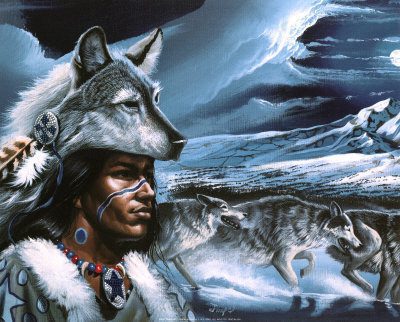
Chibiabos is a significant figure in Native American mythology, particularly among the Algonquin tribes. He is often depicted as a culture hero and is associated with the themes of creation, nature, and the cycle of life. The stories surrounding Chibiabos illustrate the deep connection that Indigenous peoples have with the natural world and the spiritual beliefs that guide their lives. This article explores various aspects of Chibiabos, including his characteristics, stories, and the lessons that can be drawn from them.
Origins of Chibiabos
The origins of Chibiabos can be traced back to the rich oral traditions of the Algonquin people. He is often referred to as the God of the Dead and the Lord of the Underworld. According to the stories, Chibiabos was born from the union of the Earth and Sky, embodying the balance between the two. This duality is essential in many Indigenous cultures, symbolizing the interconnectedness of all things. Chibiabos represents not only the beauty of life but also the inevitability of death, teaching that both are essential parts of existence.
 Chehooit
Chibiabos is often described as a handsome young man with a deep connection to the natural world. His skin is said to be the color of the earth, and his hair flows like the rivers. This physical description reflects the Algonquin belief that humans are an integral part of nature. Chibiabos’ appearance signifies his role as a mediator between the spiritual and physical realms, guiding souls after death and ensuring the continuity of life.
Chibiabos and the Cycle of Life
One of the central themes of Chibiabos’ stories is the cycle of life. He teaches that death is not an end but a transformation. This perspective is vital in many Indigenous cultures, where the concept of life after death is intertwined with daily existence. Chibiabos is often depicted as welcoming souls into the afterlife, where they can find peace and rest. His role in this cycle emphasizes the importance of respecting all living beings, as they all contribute to the ongoing flow of life.
The stories of Chibiabos often include elements of nature, illustrating how he interacts with various aspects of the world around him. For example, it is said that he can summon the winds and control the seasons. This ability symbolizes his connection to the natural order and his role as a caretaker of the Earth. Through his actions, Chibiabos teaches the importance of living in harmony with nature, respecting its cycles, and understanding our place within it.
 Chakekenapok
Legends of Chibiabos
Many legends feature Chibiabos, each highlighting different aspects of his character and teachings. One popular story tells of how Chibiabos created the first plants and animals. According to this legend, he was tasked with bringing life to the Earth, and he carefully shaped each creature and plant, ensuring they would thrive in their environments. This creation story emphasizes the importance of biodiversity and the delicate balance that exists within ecosystems.
Another well-known legend describes a time when Chibiabos faced challenges from a powerful adversary, often depicted as the spirit of chaos. This spirit sought to disrupt the natural order and create disharmony among living beings. Chibiabos, with his wisdom and strength, engaged in a battle to restore balance. This story teaches the value of perseverance and the need to confront chaos with courage and wisdom.
Key Lessons from Chibiabos’ Legends
- Respect for Nature: Chibiabos’ stories emphasize the importance of respecting the environment and understanding our role within it.
- Life and Death: His legends teach that death is a natural part of life, and there is beauty in the cycle of existence.
- Courage in Adversity: Chibiabos demonstrates the importance of facing challenges with bravery and wisdom.
Chibiabos in Contemporary Culture
Today, Chibiabos continues to hold significance in contemporary Native American culture. His stories are shared through various mediums, including literature, art, and performances. Many Indigenous artists draw inspiration from Chibiabos, creating works that reflect the teachings and values associated with him. This revival of interest in traditional stories highlights the importance of preserving Indigenous cultures and sharing their wisdom with broader audiences.
 Chacopa
Furthermore, Chibiabos serves as a symbol of resilience and strength for many Native American communities. His character embodies the struggles and triumphs of Indigenous peoples throughout history. By celebrating Chibiabos, these communities affirm their cultural identity and promote awareness of their rich heritage. This cultural revitalization is crucial in a world where Indigenous narratives have often been marginalized or overlooked.
Chibiabos and Environmental Stewardship
As environmental issues become increasingly pressing, the teachings of Chibiabos resonate more than ever. His deep connection to nature serves as a reminder of the importance of environmental stewardship. Many Indigenous peoples view the Earth as a living entity that deserves respect and care. Chibiabos embodies this philosophy, teaching that all living beings are interconnected and that our actions have consequences for the world around us.
In recent years, Indigenous communities have been at the forefront of environmental movements, advocating for the protection of natural resources and the preservation of sacred lands. The teachings of Chibiabos provide a foundation for these efforts, emphasizing the need to live in harmony with nature and to respect the Earth as a source of life. By following his example, individuals and communities can work towards a sustainable future that honors the lessons of the past.
Chibiabos in Education
Incorporating the stories of Chibiabos into educational curricula can provide valuable insights into Indigenous cultures and worldviews. By learning about Chibiabos, students can gain a deeper understanding of the significance of nature, the cycle of life, and the importance of community. These lessons can foster respect for diverse cultures and encourage critical thinking about environmental issues.
Educators can use various methods to introduce Chibiabos’ stories, including storytelling, art projects, and discussions about the themes present in his legends. By engaging students with these narratives, educators can promote empathy and understanding, helping to bridge cultural divides. This approach aligns with a growing movement to decolonize education and include Indigenous perspectives in academic settings.
The Future of Chibiabos’ Legacy
The legacy of Chibiabos is poised to endure as more people recognize the importance of Indigenous stories and teachings. As awareness of cultural preservation grows, the narratives surrounding Chibiabos will continue to be shared and celebrated. This ongoing dialogue about the significance of Chibiabos reflects a broader movement towards honoring Indigenous knowledge and ensuring its transmission to future generations.
Furthermore, as environmental challenges escalate, the teachings of Chibiabos will likely become increasingly relevant. His emphasis on respect for nature and the interconnectedness of all living beings serves as a guiding principle for addressing contemporary issues. By embracing the wisdom of Chibiabos, individuals and communities can work towards a more sustainable and harmonious world.
Conclusion: The Enduring Influence of Chibiabos
Chibiabos stands as a powerful symbol in Native American mythology, representing the interconnectedness of life, death, and nature. His stories offer valuable lessons about respect, courage, and environmental stewardship. As we navigate the complexities of the modern world, the teachings of Chibiabos remind us of the importance of honoring our connections to each other and the Earth. Through the continued sharing of his stories, the legacy of Chibiabos will inspire future generations to embrace these values and work towards a more harmonious existence.