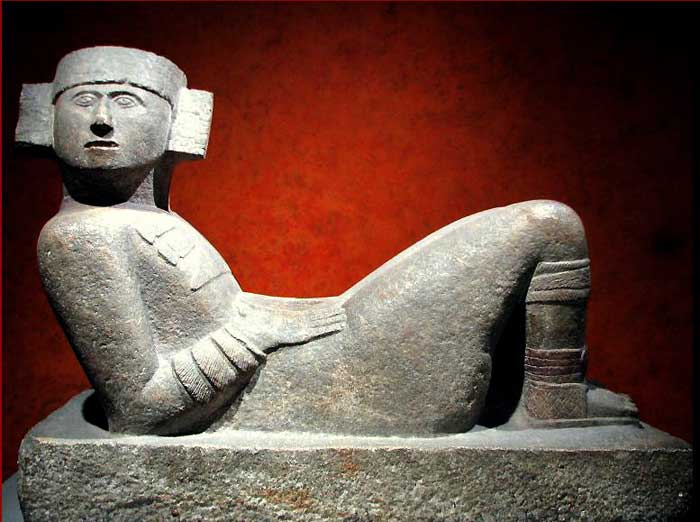
The Chacmool is a fascinating figure from Maya mythology that has captured the interest of historians, archaeologists, and enthusiasts alike. This unique statue is typically depicted as a reclining figure with its head turned to one side, holding a bowl or a plate on its stomach. The Chacmool has been found in various archaeological sites across the ancient Maya civilization, and its significance is still a topic of debate among scholars. In this article, we will explore the origins, interpretations, and cultural significance of the Chacmool in Maya society.
Origins of the Chacmool
The origins of the Chacmool can be traced back to the Classic Maya period, which spanned from approximately 250 to 900 AD. During this time, the Maya civilization was at its peak, with advanced knowledge in astronomy, mathematics, and architecture. The Chacmool statues are believed to have emerged as a result of this cultural flourishing. While the exact reasons for their creation remain unclear, they are often associated with religious and ceremonial practices.
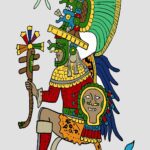 Chac Xib Chac
Chacmool figures are commonly found in ceremonial contexts, suggesting that they played a role in rituals and offerings. Many scholars propose that these figures were used to receive offerings made by the living to the gods or ancestors. The bowl on the Chacmool’s stomach may have served as a place for these offerings, which could include food, incense, or other valuable items. This connection to ritual practice underscores the Chacmool’s importance within Maya society.
Physical Characteristics of Chacmool Statues
The physical appearance of Chacmool statues is striking and distinct. Most commonly, they are portrayed as reclining figures with their bodies angled sideways. The head is typically turned to one side, with a serene expression that adds to their mystique. The arms are usually bent at the elbows, resting on the thighs or the sides of the body. The legs are often drawn up, giving the figure a relaxed pose.
The material used to create Chacmool statues varies, with some being carved from stone, while others are made from clay or other materials. The craftsmanship displayed in these statues is remarkable, showcasing the skill of ancient Maya artisans. Many Chacmool figures are adorned with intricate details, such as jewelry or clothing, which reflect the cultural aesthetics of the time.
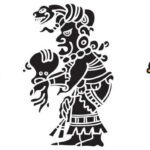 Ixchel
Common Materials Used
- Stone: Many Chacmools are carved from limestone or granite, showcasing the durability of these materials.
- Clay: Some figures were made from clay, often used in smaller, more portable versions.
- Wood: Although rare, some Chacmools were crafted from wood, adding a unique texture to their appearance.
Cultural Significance of the Chacmool
The Chacmool holds significant cultural importance within Maya mythology. Many scholars believe that these figures are closely linked to religious practices and the worship of deities. The presence of Chacmool statues at ceremonial sites indicates that they were integral to the rituals performed by the Maya. They may have represented a connection between the physical and spiritual worlds, serving as intermediaries between humans and the gods.
Furthermore, the Chacmool is often associated with the rain god, known as Chac. This association is evident in the iconography and symbolism surrounding the figure. The Chacmool’s role in rituals may have been to invoke rain and agricultural fertility, which were crucial for the survival of the Maya people. This connection to agriculture highlights the importance of the natural world in Maya cosmology.
Ritual Practices Involving Chacmool
- Offerings: Rituals often involved placing offerings in the bowl of the Chacmool, such as food or incense.
- Bloodletting: Some practices may have included bloodletting ceremonies, where individuals would offer their blood as a form of sacrifice.
- Festivals: Chacmools were likely present during festivals dedicated to agricultural deities, reinforcing their connection to fertility.
Chacmool in Different Maya Regions
Chacmool statues have been discovered in various regions of the ancient Maya civilization, each exhibiting slight variations in style and interpretation. In the Yucatán Peninsula, Chacmools are commonly associated with the city of Chichen Itza, where several notable examples have been found. The Yucatán Chacmools tend to be more elaborate, often featuring intricate carvings and decorations.
 Chac Uayeb Xoc
In contrast, Chacmool figures found in the Petén region of Guatemala may exhibit a more austere style. These figures are often less detailed but still retain the essential characteristics of the reclining posture and bowl. The differences in style may reflect the local artistic traditions and cultural practices of the Maya in different regions.
Regional Variations
- Yucatán Chacmools: More elaborate, with intricate carvings and decorations.
- Petén Chacmools: Simpler in design, showcasing the local artistic style.
- Highland Chacmools: Some examples found in the highlands of Guatemala show unique features not seen in other regions.
Interpretations and Theories
The meaning and function of the Chacmool have been the subject of various interpretations and theories over the years. Some scholars argue that the Chacmool served as a symbol of the afterlife, representing a connection between the living and the deceased. This perspective emphasizes the role of the Chacmool as a mediator in rituals aimed at honoring ancestors and ensuring their continued presence in the lives of the living.
Other interpretations suggest that the Chacmool may have had a more practical function within Maya society. Some researchers propose that these figures could have served as altars or platforms for offerings, while others believe they may have played a role in divination or prophecy. The lack of definitive evidence for any single theory has led to ongoing discussions and debates among scholars.
Notable Theories
- Ancestor Worship: Chacmools as mediators between the living and the dead.
- Ritual Altars: Possible use as platforms for offerings and sacrifices.
- Divination Tools: Some suggest they may have been used in rituals for prophecy or foresight.
Chacmool in Modern Culture
The Chacmool continues to inspire artists, writers, and filmmakers in modern culture. Its unique form and rich history have made it a symbol of Maya heritage and a subject of fascination. Many contemporary artists have incorporated the Chacmool into their work, exploring themes of spirituality, identity, and cultural continuity.
In literature, the Chacmool has appeared in various works, often symbolizing the connection between the past and the present. The figure has been used as a metaphor for the struggles of indigenous peoples to maintain their cultural identity in the face of modernization and globalization. This literary representation highlights the enduring legacy of the Chacmool in contemporary discussions about culture and heritage.
Chacmool in Art and Literature
- Visual Arts: Artists have created paintings, sculptures, and installations inspired by the Chacmool.
- Literary References: The figure has been mentioned in novels and poetry, symbolizing cultural resilience.
- Film and Media: Documentaries and films about Maya culture often feature the Chacmool, emphasizing its significance.
Conclusion: The Enduring Legacy of Chacmool
The Chacmool remains an enduring symbol of Maya mythology and culture. Its intriguing design and rich historical context continue to captivate the imagination of people around the world. As we explore the Chacmool’s origins, cultural significance, and interpretations, we gain valuable insights into the beliefs and practices of the ancient Maya civilization. The Chacmool serves as a reminder of the complexities of human spirituality and the connections that bind us to our ancestors and the natural world.