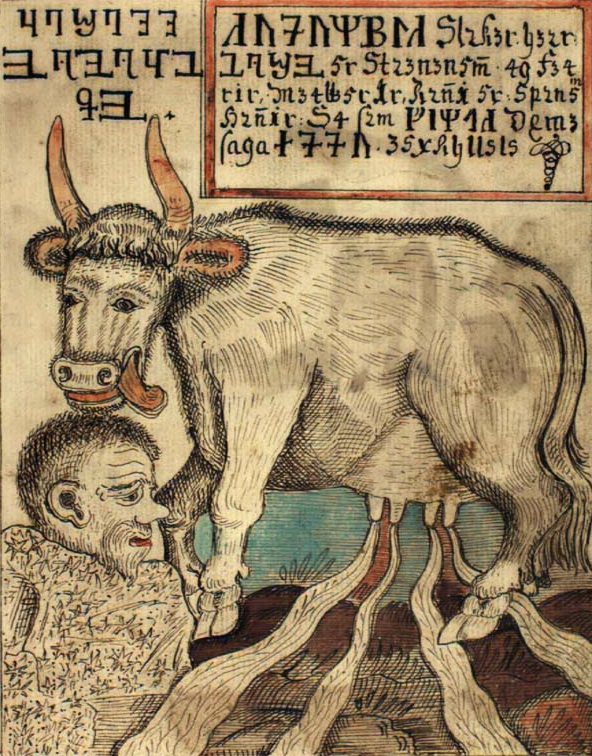
Buri is a fascinating figure in Norse mythology, known for being one of the first beings to emerge from the primordial void called Ginnungagap. He plays a crucial role in the mythological genealogy of the gods, especially in the context of the creation myths that define Norse beliefs. Buri is often associated with the beginning of the world and the lineage of the gods, particularly through his son, Borr. Understanding Buri’s place in Norse mythology requires exploring the stories and themes surrounding his existence and significance.
The Emergence of Buri
Buri’s emergence is described in the Prose Edda, a collection of Old Norse poems and stories that serve as one of the primary sources of Norse mythology. According to these texts, Buri came into being when the ice of Niflheim met the heat of Muspelheim, creating a melting substance. This melting substance eventually formed Buri, who was discovered by the giant Ymir. The creation of Buri is a significant event because it represents the transition from chaos to order, a recurring theme in many mythological narratives.
 Brunhild
Once Buri emerged, he began to procreate. He licked the ice blocks that surrounded him, and from this, he eventually produced a son named Borr. Borr’s birth is significant as it establishes a new generation of gods that would later play critical roles in the mythology. The story of Buri is essential to understanding how the Norse cosmos came into existence and how the gods began to populate it.
Buri and His Descendants
Buri is often remembered primarily for his son, Borr, who had three sons of his own: Odin, Vili, and Ve. These three brothers are central figures in Norse mythology, known for their role in creating the world and humanity. Odin, in particular, is one of the most important gods in the Norse pantheon, associated with wisdom, war, and death. The lineage from Buri to Odin illustrates the connection between the primordial beings and the gods that shaped the world.
The importance of Buri’s descendants cannot be overstated. Odin and his brothers are credited with slaying Ymir, which led to the creation of the world from his body. This act of creation is foundational in Norse mythology, showcasing the theme of sacrifice leading to new life. Buri, as the patriarch of this lineage, symbolizes the origins of divine authority and power in the Norse world.
 Brono
BronoThe Role of Buri in Creation Myths
Buri’s role in the creation myths of Norse mythology extends beyond his emergence and lineage. His existence signifies the beginning of a new order in a previously chaotic universe. The act of creation is often depicted in various ways, but Buri’s presence is a reminder of the cyclical nature of life, death, and rebirth that permeates Norse beliefs. The gods’ actions, influenced by Buri’s legacy, demonstrate how the universe was shaped through conflict and resolution.
In the creation story, after Odin and his brothers killed Ymir, they used his body to create the world. This act reflects a common theme in many mythologies, where the cosmos is formed from the remains of a primordial being. Buri’s initial emergence and the subsequent actions of his descendants emphasize the interconnectedness of all beings in the Norse cosmos. Each character, including Buri, plays a vital role in the unfolding narrative of existence.
Buri in Norse Culture
 Bragi
BragiThe significance of Buri in Norse culture can be seen in various aspects of their society, including their art, literature, and rituals. While Buri himself may not have been worshiped directly, his legacy influenced the reverence for the gods that followed. Norse culture placed great emphasis on genealogy, and Buri’s role as an ancestor of Odin made him a pivotal figure in understanding divine heritage.
In art and literature, Buri is often depicted symbolically, representing the archetype of the ancient progenitor. His image may not be as prominent as other gods, but his influence is felt throughout the stories that recount the exploits of his descendants. These narratives are essential for understanding the values and beliefs of the Norse people, particularly the importance of lineage and the divine right of the gods to rule.
The Legacy of Buri
Buri’s legacy extends beyond the stories of the past. In modern interpretations of Norse mythology, he is sometimes revisited as a symbol of creation and the origins of divine authority. His character represents the idea that from chaos can arise order, a theme that resonates with many contemporary audiences. This aspect of Buri’s legacy is particularly relevant in discussions about mythology’s role in understanding human existence and the natural world.
Moreover, the study of Buri and his descendants provides insights into the values and beliefs of the Norse people. The emphasis on lineage, sacrifice, and the cyclical nature of life reflects a worldview that sought to explain the complexities of existence. In this way, Buri serves as a bridge between the ancient and the modern, reminding us of the enduring power of myth to shape our understanding of the world.
Buri in Comparative Mythology
When exploring Buri within the context of comparative mythology, one can draw parallels with other creation myths from different cultures. Many mythologies feature a primordial being or entity that gives rise to the world and its inhabitants. For instance, in Greek mythology, Chaos is a formless void that eventually leads to the emergence of the first gods. Similarly, in Hindu mythology, the cosmic ocean is a source of creation, leading to the birth of deities and the world itself.
These comparisons highlight a common human fascination with origins and the processes of creation. Buri, as a figure representing the beginning of divine lineage in Norse mythology, reflects this universal theme. By examining Buri alongside other mythological figures, we gain a deeper understanding of how different cultures interpret the concepts of creation, order, and chaos.
Modern Interpretations of Buri
In contemporary literature and media, Buri’s character has seen a resurgence, often appearing in various adaptations of Norse mythology. Writers and creators have taken the essence of Buri’s story and reimagined it in new contexts, allowing modern audiences to engage with these ancient tales. These adaptations often emphasize the themes of creation and ancestry, highlighting Buri’s role as a foundational figure in the Norse mythos.
Additionally, the fascination with Norse mythology in popular culture has led to a broader interest in characters like Buri. Movies, books, and video games often draw inspiration from these ancient stories, allowing for a fresh interpretation of Buri’s legacy. This modern engagement serves to keep the stories alive, ensuring that figures like Buri continue to resonate with audiences across generations.
Understanding Buri in the context of Norse mythology provides valuable insights into the beliefs and values of the Norse people. As a primordial figure, Buri embodies the themes of creation, lineage, and the interconnectedness of all beings. His legacy is felt through his descendants and their actions, shaping the world and its narratives. Through the lens of comparative mythology and modern interpretations, Buri’s story remains relevant, reminding us of the enduring power of myth to illuminate the human experience.