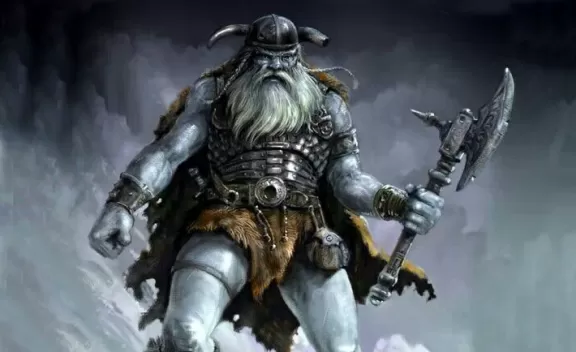
In Norse mythology, Bor is a significant figure who plays a crucial role in the creation of the world and the lineage of the gods. He is known primarily as the father of Odin, Vili, and Ve, who are central figures in the Norse pantheon. Bor’s story is intertwined with the origins of the cosmos and the eventual emergence of the gods who would shape the destinies of both gods and humans. Understanding Bor’s role provides insight into the foundational myths that underpin Norse culture and belief systems.
The Origins of Bor
 Blid
BlidBor is often described as the son of the giant Buri, who emerged from the ice in the primordial void known as Ginnungagap. Buri was the first being in Norse mythology, and his emergence set the stage for the creation of the world. According to the myths, Buri was discovered by the cow Audhumla, who licked the ice to reveal him. This story emphasizes the connection between creation and the elemental forces of nature. Bor’s lineage reflects the intermingling of giants and gods, which is a recurring theme in Norse mythology.
After Buri, Bor married the giantess Bestla, who is also significant in the myths. Bestla is often considered a personification of the earth and nature, further connecting Bor to the elemental aspects of existence. Together, they had three sons: Odin, Vili, and Ve. These sons would later become pivotal figures in the creation of humanity and the establishment of order in the cosmos. Bor’s role as a father is essential, as it highlights the importance of lineage and heritage in Norse culture.
Bor’s Role in Creation
In Norse creation myths, Bor and his sons are credited with the formation of the world. After the death of the primordial giant Ymir, his body was used to create the earth. Bor and his sons transformed Ymir’s remains into various elements of the world. They made the land from his flesh, the seas from his blood, and the mountains from his bones. This act of creation illustrates the interconnectedness of all beings in Norse mythology, as even a giant’s death leads to the birth of the world.
 Bjort
Bjort- Land from Ymir’s flesh: The solid ground we walk upon.
- Seas from Ymir’s blood: The oceans that surround the land.
- Mountains from Ymir’s bones: The towering peaks that rise above.
The act of creation by Bor and his sons is not just a physical transformation but also a symbolic one. It represents the establishment of order from chaos, a theme that resonates deeply within Norse cosmology. The world was created from the remnants of a chaotic being, suggesting that life and structure often arise from destruction and disorder.
The Legacy of Bor
Bor’s legacy is primarily carried on through his sons, particularly Odin, who would become the chief of the gods. Odin is often associated with wisdom, war, and death, and he plays a critical role in the narratives surrounding the gods and their interactions with humanity. The relationship between Bor and Odin reflects the importance of familial ties in Norse mythology, where the actions of one generation profoundly influence the next.
Furthermore, Bor’s lineage also highlights the duality present in Norse beliefs. His marriage to Bestla, a giantess, symbolizes the blending of different realms—gods and giants, order and chaos. This duality is crucial in understanding the conflicts and resolutions that arise in Norse myths. The giants often represent chaos and destruction, while the gods embody order and creation, leading to a perpetual struggle that shapes the mythological landscape.
 Wave Maidens
Bor in Modern Culture
In contemporary culture, Bor is not as widely recognized as other figures from Norse mythology, such as Odin or Thor. However, his influence can be seen in various adaptations of Norse myths in literature, films, and games. The portrayal of gods and their origins often references the foundational stories involving Bor and his family, emphasizing the significance of these early figures in shaping the mythos.
Additionally, the themes surrounding Bor, such as creation from chaos and the importance of lineage, resonate with modern audiences. These themes are universal and can be found in various cultural narratives, showcasing the enduring relevance of Norse mythology. As interest in Norse culture and mythology continues to grow, figures like Bor may gain more recognition, encouraging further exploration of their stories and significance.
Comparative Mythology
When examining Bor within the context of comparative mythology, similarities can be drawn between his story and those of creation myths from other cultures. For instance, in many traditions, the act of creation often involves a cosmic being or a primordial entity whose death or sacrifice leads to the formation of the world. This pattern can be observed in myths from Mesopotamia, Egypt, and even in the Judeo-Christian narrative.
In Mesopotamian mythology, the god Marduk defeats the chaos monster Tiamat and uses her body to create the heavens and the earth. Similarly, Bor’s actions following the defeat of Ymir echo this theme of order arising from chaos. Such parallels highlight the shared human experience of understanding the world through myth and the common motifs that emerge across cultures.
The Significance of Bor’s Character
Bor’s character is significant not only for his direct contributions to creation but also for the values he embodies. His lineage represents the importance of family and community in Norse culture. The relationships among gods, giants, and humans are often depicted as interconnected, emphasizing the idea that individual actions have far-reaching consequences.
Moreover, Bor’s story serves as a reminder of the balance between different forces in the universe. The gods, often portrayed as benevolent, must contend with the chaotic giants, reflecting the struggle for harmony in existence. This duality is crucial in understanding the Norse worldview, where the interplay between order and chaos is a constant theme.
Bor is a foundational figure in Norse mythology whose role extends beyond mere lineage. His connections to creation, family, and the balance of forces within the universe make him a vital part of the mythological narrative. As scholars and enthusiasts continue to explore these ancient stories, Bor’s legacy will undoubtedly remain a topic of interest, highlighting the richness and complexity of Norse mythology.