
Amala is a fascinating figure in Native American mythology, embodying various themes that resonate deeply within many indigenous cultures. The stories surrounding Amala vary among different tribes, reflecting the rich tapestry of beliefs and traditions in Native American lore. This article delves into the essence of Amala, exploring her significance, the symbolism she represents, and the lessons imparted through her tales. Each tribe may tell the story of Amala differently, yet common threads weave through the narratives, showcasing the universality of her message.
Origins of Amala
The origins of Amala can be traced back to several tribes, each with its own unique interpretation. For many, Amala is seen as a spiritual being or a goddess who embodies the natural world. In some tales, she is described as the protector of nature, guiding her people in harmony with the earth. This connection to nature is crucial, as many Native American cultures emphasize the importance of living in balance with the environment. The stories of Amala often begin with her emergence from the earth, symbolizing the deep-rooted connection between the land and its inhabitants.
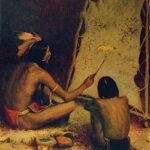 Allowat Sakima
In various accounts, Amala is depicted as a woman of great strength and wisdom. She is often associated with the elements—earth, water, fire, and air—each representing different aspects of life. The diversity in her portrayal reflects the varying beliefs and values of the tribes that honor her. For instance, some tribes might emphasize her role as a nurturer, while others focus on her as a fierce protector against harm. This multifaceted nature of Amala allows her to resonate with many, making her a significant figure across different cultures.
The Symbolism of Amala
Amala symbolizes the interconnectedness of all living things. Her stories often illustrate the idea that humans, animals, and nature are part of a greater whole. This concept is prevalent in Native American teachings, where respect for nature and its resources is paramount. Through her narratives, Amala teaches the importance of understanding one’s place within the world. Her presence serves as a reminder to her followers to live in harmony and to respect the natural cycles of life.
Moreover, Amala represents transformation and renewal. Many stories highlight her ability to bring about change, whether through the changing of seasons or the regeneration of life after destruction. This aspect of her character is particularly poignant, as it reflects the resilience of nature and the capacity for growth even after adversity. For those who revere her, Amala’s ability to transform signifies hope and the promise of new beginnings.
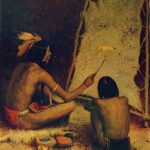 Alkuntam
Lessons from Amala
- Respect for Nature: Amala’s stories emphasize the need to respect and care for the environment.
- Community and Togetherness: Many tales feature Amala guiding her people to work together for the common good.
- Balance in Life: Amala teaches that balance is essential for harmony, both in nature and in personal life.
- Resilience: Her ability to transform and adapt serves as a lesson in overcoming challenges.
Each lesson derived from Amala’s stories holds a significant place in the lives of those who follow her teachings. Respect for nature is perhaps the most profound, as it underscores the belief that humans are caretakers of the earth. This relationship fosters a sense of responsibility towards the environment, encouraging sustainable practices that benefit both people and the planet.
Community and togetherness are also central themes in the narratives surrounding Amala. Many stories illustrate her role in uniting people, encouraging them to collaborate and support one another. This sense of community is vital in Native American cultures, where collective well-being often takes precedence over individual desires. Amala’s influence promotes the idea that strength lies in unity, inspiring individuals to come together for the greater good.
Amala in Rituals and Ceremonies
Amala plays a crucial role in various rituals and ceremonies across different tribes. These rituals often honor her and seek her guidance, especially during significant life events such as births, marriages, and seasonal changes. The ceremonies may involve offerings, songs, and dances that celebrate her presence and acknowledge her influence in the natural world. Through these practices, the communities reaffirm their connection to Amala and, by extension, to the earth.
 Coyote
One common ritual involves the gathering of community members to participate in a ceremonial dance dedicated to Amala. This dance often symbolizes the changing seasons and the cyclical nature of life. Participants may dress in traditional attire, adorned with symbols that represent their connection to Amala. This celebration not only honors her but also reinforces the bonds within the community, reminding everyone of their shared heritage and beliefs.
Common Ritual Practices
- Offering Ceremonies: These involve presenting gifts to Amala, such as food or flowers, as a sign of respect and gratitude.
- Seasonal Celebrations: Festivals are held to mark the changing of seasons, reflecting Amala’s influence on nature.
- Storytelling: Elders share tales of Amala to pass down wisdom and teachings to younger generations.
- Healing Rituals: Some tribes invoke Amala during healing ceremonies, seeking her guidance and support.
Offering ceremonies are a significant aspect of the rituals honoring Amala. These ceremonies allow community members to express their gratitude and seek her blessings. By presenting gifts, they demonstrate their respect for the natural world and acknowledge the importance of giving back to the earth. These offerings often vary depending on the tribe’s traditions and the resources available in their environment.
Seasonal celebrations are another way communities connect with Amala. These festivals serve to mark the changes in nature, such as the arrival of spring or the harvest season. They often include communal feasts, dances, and storytelling, all of which celebrate the gifts of the earth and the guidance of Amala. Through these celebrations, participants not only honor her but also strengthen their cultural identity and sense of belonging.
Amala’s Influence on Art and Culture
Amala’s presence extends beyond mythology and rituals; she significantly influences art and culture within Native American communities. Many artists draw inspiration from her stories, creating paintings, sculptures, and crafts that depict her essence and the themes she represents. These artistic expressions serve as a means of preserving cultural heritage and passing down the teachings associated with Amala to future generations.
Visual representations of Amala often highlight her connection to nature, showcasing her surrounded by elements like trees, rivers, and animals. Artists may use vibrant colors and intricate designs to convey her spirit and the vitality of the natural world. Through these artworks, the stories of Amala come alive, allowing viewers to connect with her legacy and the values she embodies.
Artistic Expressions Inspired by Amala
- Paintings: Many artists create pieces that illustrate Amala’s connection to nature and her role in the community.
- Pottery: Traditional pottery often features designs inspired by the stories of Amala, reflecting her influence on daily life.
- Textiles: Weaving and fabric arts incorporate symbols related to Amala, serving as a medium for storytelling.
- Performing Arts: Dances and plays often reenact stories of Amala, bringing her teachings to life through performance.
Painters often depict scenes that encapsulate the essence of Amala, using her as a muse to convey messages about nature and spirituality. These works serve not only as art but also as educational tools, teaching viewers about the significance of Amala and her teachings. In this way, art becomes a bridge connecting the past with the present, ensuring that her legacy continues to thrive.
Pottery is another medium through which Amala’s influence is felt. Many artisans create functional and decorative pieces adorned with symbols and motifs that tell her story. These creations reflect the daily lives of the people, reminding them of their connection to Amala and the lessons she imparts. The act of crafting pottery itself can be seen as a ritual, further reinforcing the bond between the creator, Amala, and the natural world.
Modern Interpretations of Amala
In contemporary times, Amala’s significance has evolved, adapting to the changing landscape of Native American cultures. Modern interpretations of her stories often address current environmental issues, emphasizing the need for sustainability and respect for nature in a rapidly changing world. As climate change and environmental degradation become pressing concerns, the teachings of Amala resonate more than ever, reminding people of the importance of stewardship over the earth.
Many indigenous activists and artists draw on the stories of Amala to advocate for environmental justice. They highlight her role as a protector of nature, using her narrative to inspire action and raise awareness about the critical state of the environment. By connecting her teachings to contemporary issues, they ensure that Amala remains relevant and that her message continues to inspire new generations.
Current Activism and Amala
- Environmental Advocacy: Many modern activists reference Amala in their efforts to promote sustainability and protect natural resources.
- Cultural Revitalization: Efforts to revive traditional practices often include honoring Amala as a central figure in ceremonies and teachings.
- Education Initiatives: Programs aimed at teaching young people about Native American mythology often include stories of Amala.
- Artistic Collaborations: Contemporary artists create works that merge traditional stories with modern themes, keeping Amala’s legacy alive.
Environmental advocacy has become a powerful platform for many who honor Amala. By invoking her name and teachings, activists highlight the deep connection between indigenous cultures and the land. They emphasize that caring for the earth is not just a responsibility but a way of honoring their ancestors and the teachings of figures like Amala. This activism seeks to inspire a collective movement toward a more sustainable future.
Cultural revitalization efforts also play a crucial role in keeping Amala’s legacy alive. Many communities work to reclaim traditional practices, ensuring that the stories and teachings associated with Amala are passed down to future generations. These efforts often include ceremonies, storytelling sessions, and educational programs that focus on her significance and the values she represents.
Amala remains a vital figure in Native American mythology, embodying themes of connection, transformation, and respect for nature. Through her stories, rituals, and artistic expressions, her legacy continues to inspire individuals and communities. As modern interpretations evolve, the teachings of Amala resonate more than ever, reminding us of our responsibility to the earth and each other. By honoring her, we not only celebrate the richness of Native American culture but also reaffirm our commitment to living in harmony with the world around us.