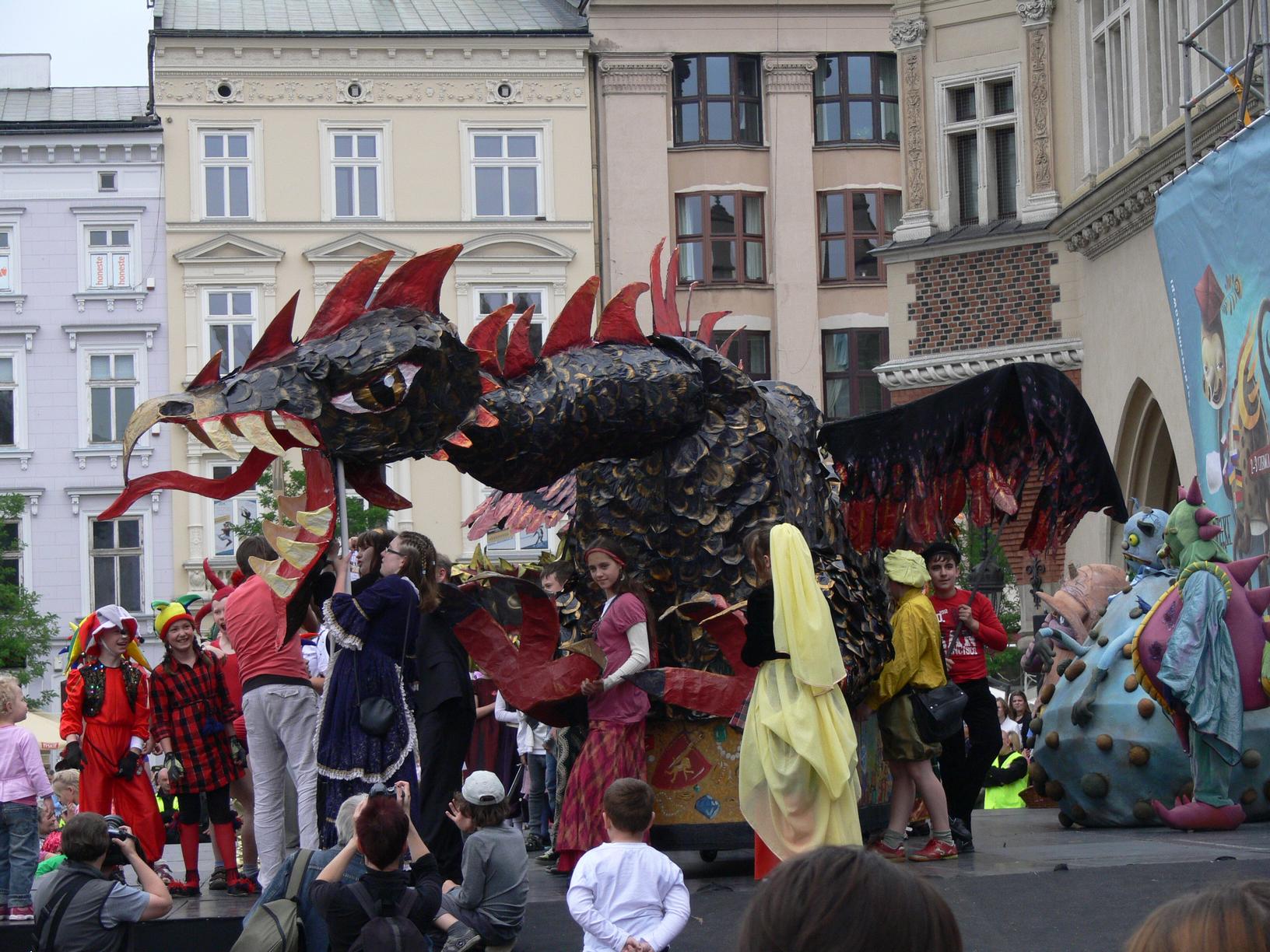
Aitvaras is a fascinating creature from Lithuanian mythology, often described as a dragon or a serpent-like being. This mythical figure holds significant cultural importance in Lithuania and is deeply rooted in the country’s folklore. Traditionally, Aitvaras is depicted as a being that can bring both good fortune and misfortune, depending on its mood and the actions of the people it interacts with. Understanding Aitvaras requires diving into the rich tapestry of Lithuanian beliefs and practices that have evolved over centuries.
Origins of Aitvaras
The origins of Aitvaras can be traced back to ancient pagan beliefs. In the past, many Lithuanians worshipped various nature spirits and deities. Aitvaras is believed to have emerged from these early spiritual traditions. Some scholars suggest that the name “Aitvaras” may derive from the word “aitvaras,” which means “to fly.” This connection highlights the creature’s ability to soar through the skies, emphasizing its ethereal nature.
 Žvaigždės
In Lithuanian folklore, Aitvaras is often associated with fire and light. It is said to have a glowing appearance, which adds to its mystical aura. This connection to fire may symbolize both creation and destruction, reflecting the dual nature of Aitvaras as a bringer of fortune and misfortune. The creature’s origins are steeped in symbolism, representing the complexities of life and the balance between good and evil.
Physical Description
Aitvaras is commonly depicted as a dragon-like creature with a long, serpentine body. Its appearance can vary depending on the specific tale being told. In some stories, Aitvaras has colorful scales that shimmer in the light, while in others, it is portrayed as a dark, ominous figure. Regardless of its form, Aitvaras is typically described as having wings, allowing it to fly gracefully through the skies.
 Žemyna
One of the most striking features of Aitvaras is its ability to change shape. This shapeshifting ability adds an element of unpredictability to the creature, making it a fascinating subject in Lithuanian mythology. Aitvaras can transform into various animals or even take on human form. This characteristic serves to emphasize its connection to both the natural world and the human experience, blurring the lines between different realms of existence.
Role in Folklore
Aitvaras plays a multifaceted role in Lithuanian folklore. On one hand, it is often seen as a benefactor who can bring wealth and prosperity to those who are deserving. People believed that if they treated Aitvaras well, it would reward them with good fortune. This aspect of Aitvaras aligns with the idea of reciprocity found in many cultures, where kindness begets kindness.
On the other hand, Aitvaras can also be a harbinger of doom. If angered or disrespected, it has the power to bring misfortune and calamity. This duality in Aitvaras’ nature reflects the complexities of life, where good and evil often coexist. The stories surrounding Aitvaras serve as cautionary tales, teaching individuals the importance of respect, gratitude, and the consequences of one’s actions.
 Žemepatis
Aitvaras and Agriculture
In many tales, Aitvaras is closely linked to agriculture and farming. Farmers would often invoke the spirit of Aitvaras to bless their crops and ensure a bountiful harvest. It was believed that Aitvaras had the ability to influence the growth of plants, making it a vital figure in the agricultural calendar. This connection to farming highlights the creature’s significance in the daily lives of Lithuanians.
To honor Aitvaras, farmers would leave offerings at the edge of their fields. These offerings often included bread, milk, or other food items that were considered sacred. By making these offerings, farmers hoped to gain Aitvaras’ favor and protect their crops from pests and bad weather. This practice illustrates the deep connection between the people and their environment, as well as the importance of respecting the forces of nature.
Aitvaras in Modern Culture
Today, Aitvaras remains a prominent figure in Lithuanian culture and is often referenced in literature, art, and music. Many contemporary artists draw inspiration from this mythical creature, incorporating its imagery into their work. This revival of interest in Aitvaras reflects a broader trend of rediscovering and celebrating folk traditions and mythology.
In literature, Aitvaras appears in various forms, from children’s stories to more serious works exploring themes of morality and the human condition. These narratives often emphasize the lessons learned from Aitvaras’ interactions with humans, reinforcing the importance of respect and harmony with nature. Through these modern interpretations, Aitvaras continues to captivate the imagination of new generations.
Comparisons with Other Mythical Creatures
Aitvaras shares similarities with other mythical creatures found in various cultures around the world. For instance, it bears resemblance to dragons in Chinese mythology, which are often seen as symbols of power and good fortune. Like Aitvaras, these dragons can bring blessings but also have the potential to unleash chaos if angered.
Another comparable figure is the European dragon, which is often depicted as a fearsome creature guarding treasures. While Aitvaras can also be seen as a guardian of wealth, its dual nature sets it apart from more traditional dragon myths. The complexity of Aitvaras adds depth to its character, allowing for a richer exploration of themes such as morality and the balance of power.
Aitvaras in Rituals and Festivals
In Lithuania, certain rituals and festivals are dedicated to Aitvaras, celebrating its significance in the agricultural cycle and honoring its role in folklore. These events often involve traditional music, dance, and storytelling, creating a vibrant atmosphere that brings communities together. Participants may dress in costumes that represent Aitvaras or other mythical figures, adding a festive touch to the celebrations.
During these festivals, people share stories about Aitvaras and its impact on their lives. These narratives serve to reinforce cultural identity and foster a sense of belonging within the community. By keeping the stories of Aitvaras alive, Lithuanians ensure that future generations remain connected to their rich heritage and the lessons that these tales impart.
Lessons from Aitvaras
The stories of Aitvaras carry important lessons that resonate with people of all ages. One of the central themes is the idea of reciprocity. Aitvaras teaches that one’s actions have consequences, and that kindness and respect can lead to positive outcomes. This moral lesson encourages individuals to cultivate a sense of responsibility towards others and the world around them.
Another significant lesson from Aitvaras is the importance of balance. The creature embodies the duality of existence, where good and evil coexist. This theme encourages people to recognize and embrace the complexities of life, understanding that challenges and blessings are often intertwined. By learning from Aitvaras, individuals can develop a deeper appreciation for the intricate nature of their own experiences.
The Future of Aitvaras in Lithuanian Culture
As Lithuania continues to evolve, the figure of Aitvaras remains a vital part of the country’s cultural landscape. Efforts to preserve and promote Lithuanian mythology are essential in keeping Aitvaras relevant for future generations. Educational programs and cultural initiatives aimed at teaching children about their heritage can help ensure that the stories and lessons of Aitvaras are passed down.
Moreover, the integration of Aitvaras into modern art and literature offers new opportunities for exploration and interpretation. As artists and writers engage with this mythical figure, they contribute to a dynamic conversation about identity, tradition, and contemporary issues. The ongoing relevance of Aitvaras in various forms of expression reflects the enduring power of mythology to inspire and connect people across time and space.