
Binaye Ahani is a significant figure in Navajo mythology. Known as the Son of the Water, he embodies the essence of life and sustenance. In the Navajo culture, water is not just a physical element; it is a symbol of life, purity, and renewal. Binaye Ahani is often associated with the cycle of seasons and the growth of crops, making him a vital part of agricultural practices and spiritual beliefs. The stories surrounding him reflect the deep connection between the Navajo people and their environment, illustrating how natural elements influence their way of life.
The Origins of Binaye Ahani
Binaye Ahani’s origins are rooted in the creation stories of the Navajo people. According to tradition, he was born from the union of the Earth and the Sky, representing the harmony between these two powerful forces. This birth signifies the importance of balance in the world, a recurring theme in Navajo teachings. The tales of his origin emphasize the role of water as a life-giving force, and they often highlight the struggles and triumphs that come with sustaining life in a harsh environment.
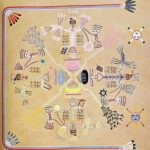 Bikeh Hozho
In many stories, Binaye Ahani is depicted as a young boy who has a profound connection with nature. He is often seen playing near rivers and streams, where he learns the secrets of water and its vital role in the ecosystem. His adventures frequently involve encounters with other mythological beings, showcasing his bravery and wisdom. These tales serve not only as entertainment but also as moral lessons about the importance of respecting and caring for the natural world.
The Role of Binaye Ahani in Navajo Culture
In Navajo culture, Binaye Ahani holds a special place in the pantheon of deities and spirits. He is revered as a protector of crops and a bringer of rain, which is essential for farming communities. The Navajo people engage in various ceremonies and rituals to honor him, seeking his blessings for abundant harvests. These practices demonstrate the deep respect the Navajo have for the land and the elements that sustain them.
His significance extends beyond agriculture; Binaye Ahani is also seen as a symbol of renewal and hope. In times of drought or hardship, the stories of his exploits inspire the Navajo people to remain resilient and optimistic. The belief that he can bring rain and restore balance to the land reinforces the idea that the natural world is interconnected and that every action has consequences. This understanding is crucial for the Navajo way of life, where harmony with nature is paramount.
 Begocidi
Binaye Ahani and the Cycle of Seasons
The stories of Binaye Ahani are intricately linked to the changing seasons. Each season brings different challenges and opportunities for growth, and Binaye Ahani embodies the spirit of these transitions. In spring, he is often depicted as awakening from a long slumber, bringing forth the rains that nourish the earth. This time is celebrated with various ceremonies that express gratitude for the returning life.
During summer, Binaye Ahani is associated with the growth of crops and the abundance of nature. The Navajo people engage in harvest rituals to honor him, thanking him for the sustenance he provides. These celebrations are marked by feasting, dancing, and storytelling, reinforcing community bonds and shared values. The connection between Binaye Ahani and the agricultural cycle highlights the importance of collaboration and cooperation among the Navajo people.
 Ma’ii
Ma’iiLegends and Stories of Binaye Ahani
Numerous legends feature Binaye Ahani, each illustrating different aspects of his character and teachings. One popular story involves him rescuing a village from a devastating drought. The people prayed for rain, and Binaye Ahani, moved by their plight, journeyed to the spirit world to seek help. After facing various challenges, he returned with the gift of rain, demonstrating his power and compassion. This story emphasizes the idea that perseverance and faith can lead to renewal and abundance.
- The Drought Rescue: A tale of Binaye Ahani bringing rain to a parched land.
- The Water Dance: A story about a ritual that celebrates water’s importance.
- The Harmony of Earth and Sky: Legends highlighting his connection to natural elements.
Another significant legend is “The Water Dance,” which portrays Binaye Ahani leading a group of animals in a ceremonial dance to invoke the spirits of water. This story serves to illustrate the importance of community and collaboration in seeking blessings from nature. The water dance symbolizes the unity of all living beings and their dependence on the natural world, reinforcing the idea that everyone has a role to play in maintaining harmony.
Binaye Ahani in Modern Navajo Life
In contemporary Navajo life, Binaye Ahani continues to be a vital figure. His teachings are incorporated into various cultural practices, from agricultural methods to community gatherings. The respect for water and the environment remains a central theme, as the Navajo people face modern challenges such as climate change and resource scarcity. Binaye Ahani’s stories serve as reminders of the importance of sustainability and the need to protect the natural world for future generations.
Moreover, educational programs within Navajo communities often include teachings about Binaye Ahani and other mythological figures. These programs aim to instill a sense of identity and cultural pride among the younger generation. By learning about their heritage, Navajo youth can better understand their role in preserving their culture and the environment. Binaye Ahani, as a symbol of life and resilience, becomes a source of inspiration for navigating the complexities of modern life.
Rituals and Ceremonies Involving Binaye Ahani
The Navajo people engage in various rituals and ceremonies to honor Binaye Ahani. These practices are deeply rooted in tradition and serve multiple purposes, including healing, thanksgiving, and seeking blessings. One of the most notable ceremonies is the Rain Ceremony, where community members come together to pray for rain and express gratitude for the water that sustains their lives. Binaye Ahani is central to this ceremony, as participants invoke his spirit to bring moisture to the land.
During the Rain Ceremony, participants often wear traditional attire and perform dances that mimic the movements of rain and water. Songs are sung in the Navajo language, celebrating the connection between the people and Binaye Ahani. The ceremony fosters a sense of community and reinforces the cultural values of cooperation and gratitude. It also serves as a reminder of the importance of water and the need to protect this precious resource.
Binaye Ahani and Environmental Stewardship
Binaye Ahani’s legacy is closely tied to the principles of environmental stewardship. The stories and teachings associated with him emphasize the need for respect and care for the land and water. As the Navajo people face increasing environmental challenges, such as water scarcity and climate change, the teachings of Binaye Ahani become even more relevant. His life and adventures serve as a blueprint for sustainable living and a reminder of the interconnectedness of all life.
The concept of balance is a crucial aspect of Navajo philosophy, and Binaye Ahani embodies this idea. He represents the delicate equilibrium between human needs and the health of the ecosystem. By honoring him and practicing sustainable habits, the Navajo people can work towards preserving their environment for future generations. This commitment to stewardship reflects a deep understanding of the land and its resources, aligning with the teachings of Binaye Ahani.
Binaye Ahani in Art and Literature
Binaye Ahani has also made his mark in Navajo art and literature. Artists often depict him in various forms, using traditional materials and techniques to convey his significance. Paintings, pottery, and textiles featuring Binaye Ahani celebrate his connection to water and nature. These artworks not only serve as expressions of cultural identity but also as educational tools that pass down stories and teachings to future generations.
In literature, Binaye Ahani appears in numerous stories and poems that explore his character and the values he represents. Authors use his tales to highlight the importance of community, resilience, and harmony with nature. These literary works serve to inspire readers and encourage them to reflect on their relationship with the environment. Through art and literature, Binaye Ahani’s legacy continues to thrive, reminding people of the wisdom embedded in Navajo mythology.
The Significance of Water in Navajo Beliefs
Water holds profound significance in Navajo beliefs, and Binaye Ahani personifies this vital element. The Navajo people view water as a sacred resource that sustains life, and they believe it is essential for both physical and spiritual well-being. This reverence for water is evident in their rituals, stories, and daily practices. Binaye Ahani’s connection to water reinforces the idea that it is not merely a commodity but a source of life that must be respected and protected.
The importance of water in Navajo culture is also reflected in their agricultural practices. The Navajo people have developed sustainable farming methods that rely on traditional knowledge and a deep understanding of the land. Binaye Ahani’s role as a bringer of rain highlights the symbiotic relationship between the people and the environment. By honoring him and practicing sustainable agriculture, the Navajo community ensures that future generations can continue to thrive.
Binaye Ahani and Community Values
Binaye Ahani’s stories embody the core values of the Navajo community, including cooperation, respect, and resilience. His adventures often involve collaboration with other beings, showcasing the importance of working together to achieve common goals. This theme resonates deeply within the Navajo culture, where community support and collective effort are essential for overcoming challenges.
Moreover, Binaye Ahani serves as a role model for younger generations, teaching them the significance of maintaining harmony with nature and each other. His teachings encourage individuals to take responsibility for their actions and to consider the impact they have on their community and the environment. By embracing the values represented by Binaye Ahani, the Navajo people foster a sense of unity and purpose, ensuring the survival of their culture and traditions.
Binaye Ahani is more than just a figure in Navajo mythology; he represents the essence of life, water, and the interconnectedness of all beings. His stories, teachings, and the rituals surrounding him highlight the deep respect the Navajo people have for nature and the importance of sustainability. As the Navajo community continues to navigate modern challenges, the legacy of Binaye Ahani serves as a guiding light, reminding them of their rich cultural heritage and the values that sustain their way of life.