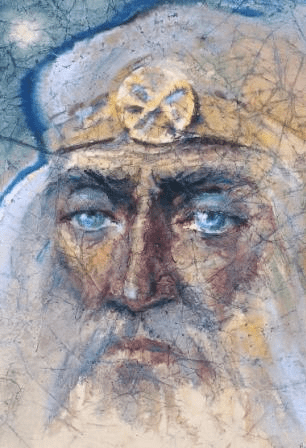
In Slavic mythology, one of the most fascinating figures is Rod. He is often considered a primordial deity and plays a significant role in the creation myths of the Slavic people. Rod is associated with family, fate, and the ancestral lineage. His influence extends beyond just the creation of life; he is also seen as a guardian of the family and the keeper of traditions. In many stories, Rod is depicted as the source of all existence, embodying the connection between the past, present, and future.
Origins of Rod
The origins of Rod can be traced back to the early Slavic tribes, where he was revered as a creator god. Unlike other deities in various mythologies, Rod is not associated with a specific element or force of nature. Instead, he represents the essence of life itself. His name is derived from the Slavic word “rod,” which means “lineage” or “family.” This etymology highlights his role in the continuity of generations and the importance of ancestry in Slavic culture.
 Radigast
Rod’s portrayal in Slavic texts varies significantly, with some depicting him as a wise old man, while others see him as a more abstract representation of life. In many tales, he is said to have created the first humans, establishing the foundation of human existence. This act of creation is crucial, as it sets the stage for the intricate relationships and dynamics within families and communities.
Rod in Creation Myths
Creation myths often serve to explain the origins of the world and humanity. In Slavic mythology, Rod is central to these narratives. One popular version of the creation myth involves Rod emerging from the primordial chaos. He then shaped the earth and sky, bringing order to the universe. This act of creation is not just a one-time event; it is viewed as an ongoing process where Rod continues to influence the world.
 Priparchis
- Rod as the creator of the earth and sky
- The establishment of the first humans
- Continuous influence on life and fate
In some accounts, Rod is said to have created the first man and woman from the earth and breathed life into them. This act symbolizes the deep connection between humanity and the earth, emphasizing the belief that humans are not separate from nature but rather an integral part of it. This relationship is foundational to the Slavic understanding of existence and the cycles of life.
Rod and Ancestry
Rod’s role extends beyond mere creation; he is also seen as the guardian of ancestry. In Slavic culture, the family unit is of utmost importance, and Rod is believed to oversee familial bonds and connections. He represents the lineage that ties individuals to their ancestors, emphasizing the idea that each person is a continuation of their forebears. This belief fosters a strong sense of identity and belonging within communities.
The concept of ancestry in Slavic mythology is closely tied to the idea of fate. It is believed that Rod has the power to influence the destinies of individuals based on their family history. For example, a person might inherit traits, skills, or challenges that have been passed down through generations. This idea reinforces the significance of respecting and honoring one’s ancestors, as they play a crucial role in shaping the lives of their descendants.
 Polevik
Rituals and Practices
To honor Rod and the ancestral lineage, various rituals and practices have been developed within Slavic cultures. These often include ceremonies during significant life events such as births, weddings, and funerals. Such rituals serve to strengthen family bonds and reaffirm the connection to one’s roots. They are also a way to seek Rod’s blessings for future generations.
- Birth rituals to honor the creation of life
- Weddings as a celebration of familial unity
- Funeral rites to pay respect to ancestors
One common practice is the lighting of candles in memory of ancestors, symbolizing the eternal flame of life that connects generations. Families often gather to share stories about their forebears, ensuring that the memory of those who came before is preserved. This not only strengthens family ties but also instills a sense of pride in one’s heritage.
Rod and Fate
In Slavic mythology, fate is a powerful force that governs the lives of individuals. Rod is often seen as a mediator of fate, guiding the paths of those who seek his wisdom. Many believe that he has the ability to alter destinies, depending on the choices made by individuals and the respect they show toward their ancestors. This belief underscores the importance of living in harmony with one’s family and honoring the traditions that have been passed down through generations.
The idea of fate in relation to Rod is also tied to the concept of free will. While Rod may have influence over one’s destiny, individuals are still responsible for their actions. This duality reflects the complexity of human existence, where personal choices intersect with ancestral legacies. In this way, Rod serves as a reminder of the interconnectedness of all life and the responsibilities that come with it.
Stories and Legends
Numerous stories and legends featuring Rod have been passed down through generations. These tales often illustrate the values and morals that are central to Slavic culture. For example, one popular story tells of a family that faced hardships due to their neglect of ancestral traditions. In their struggle, they sought Rod’s guidance, who reminded them of the importance of honoring their lineage. Through their efforts to reconnect with their roots, they were able to overcome their challenges and restore harmony within their family.
- Stories of hardship and redemption
- Lessons about the importance of ancestry
- Morals that reflect cultural values
Such stories serve not only as entertainment but also as educational tools that reinforce the significance of family, tradition, and respect for one’s ancestors. They are a testament to the enduring legacy of Rod and the values he embodies within Slavic mythology.
Rod in Modern Culture
Even in contemporary society, the influence of Rod can still be felt. Many people of Slavic descent continue to honor their ancestors and uphold traditions that connect them to their heritage. This is evident in various cultural celebrations and gatherings that emphasize the importance of family and community. The teachings of Rod remain relevant, as they provide a framework for understanding one’s identity and place within the world.
Modern interpretations of Rod can also be seen in literature, art, and music. Artists often draw inspiration from Slavic mythology, incorporating themes of ancestry, fate, and the interconnectedness of life. This resurgence of interest in traditional beliefs reflects a broader movement toward cultural preservation and a desire to reconnect with one’s roots.
Festivals and Celebrations
Various festivals celebrate the legacy of Rod and the values he represents. These events often feature traditional music, dance, and storytelling, creating a vibrant atmosphere where families come together to honor their ancestors. Festivals provide an opportunity for individuals to reflect on their heritage and to pass down stories and traditions to future generations.
- Community gatherings to celebrate heritage
- Storytelling sessions to share ancestral tales
- Traditional music and dance performances
During these celebrations, families often prepare special dishes that have been passed down through generations. Food plays a significant role in connecting individuals to their ancestry, as recipes often carry stories and memories of loved ones. The act of sharing a meal becomes a way to honor Rod and the lineage that binds them together.
Rod’s Symbolism
Rod embodies several important symbols within Slavic mythology. He represents the cycle of life, the connection between past and present, and the enduring legacy of family. His symbolism is deeply intertwined with the concepts of birth, death, and rebirth, reflecting the natural rhythms of life. This cyclical nature serves as a reminder that life is a continuous journey, shaped by the experiences and choices of those who came before.
In many artistic depictions, Rod is portrayed with various symbols that represent life and continuity. Common motifs include trees, which symbolize growth and connection to the earth, and spirals, representing the cyclical nature of existence. These symbols serve as powerful reminders of the importance of ancestry and the impact of family on individual lives.
Artistic Representations
Artists have long drawn inspiration from Rod and the themes associated with him. Various forms of art, including painting, sculpture, and textiles, often incorporate symbols related to Rod and ancestry. These representations not only celebrate Slavic heritage but also invite reflection on the broader themes of family, identity, and the interconnectedness of life.
- Visual art depicting Rod and ancestral symbols
- Textiles featuring traditional patterns and motifs
- Literature exploring themes of family and fate
Through artistic expression, the legacy of Rod continues to thrive, reminding individuals of the importance of honoring their roots and embracing their cultural heritage. This ongoing connection to the past is vital for fostering a sense of identity and belonging in an ever-changing world.
The Legacy of Rod
The legacy of Rod is profound, influencing not only individual lives but also entire communities. His teachings about the importance of family, ancestry, and fate resonate deeply within Slavic culture. As people continue to navigate the complexities of modern life, the values associated with Rod serve as a guiding force, reminding individuals of the significance of their roots and the impact of their choices.
In today’s world, where globalization often leads to a loss of cultural identity, the stories and traditions surrounding Rod provide a sense of grounding. They encourage individuals to explore their heritage and to foster connections with their families and communities. This exploration can lead to a deeper understanding of oneself and a greater appreciation for the rich tapestry of history that shapes each person’s life.
Future Generations
As future generations continue to learn about Rod and the values he embodies, it is essential to keep these teachings alive. Education plays a crucial role in passing down stories, traditions, and cultural practices. By instilling a sense of pride in one’s heritage, individuals can cultivate a deeper connection to their ancestry and foster a commitment to preserving their cultural identity.
- Educational programs focused on Slavic mythology
- Family gatherings to share stories and traditions
- Community initiatives to celebrate cultural heritage
Through these efforts, the legacy of Rod will endure, ensuring that future generations remain connected to their roots and the timeless values that have shaped their culture. The teachings of Rod serve as a reminder that, while life may change, the essence of family and ancestry remains constant, providing a source of strength and inspiration for all.