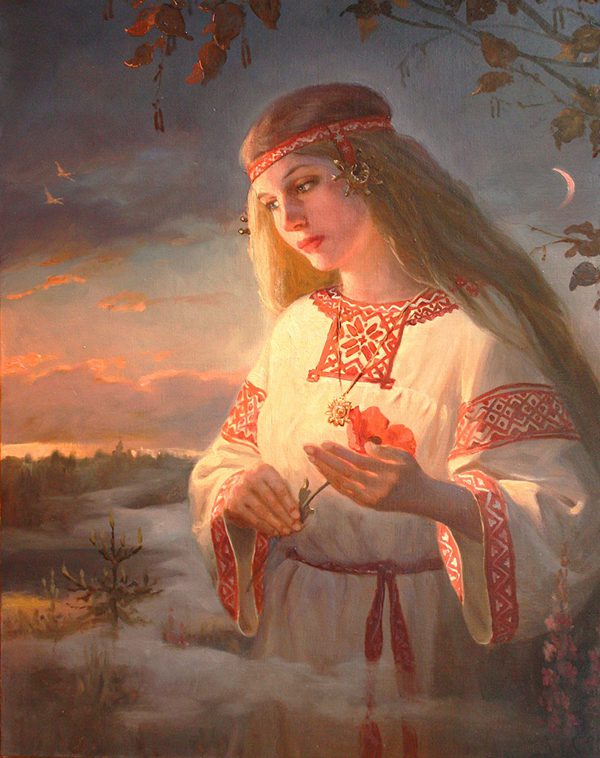
Zorya is a fascinating figure in Slavic mythology, representing the duality of day and night. This mythological character is often depicted as two celestial beings who are responsible for guarding the gates of heaven. The Zorya are typically known as the Morning Star and the Evening Star, embodying the transitions of time throughout the day. In Slavic traditions, these figures are revered for their roles in the cosmic order, symbolizing the balance between light and darkness. The mythology surrounding Zorya has evolved over centuries, intertwining with various cultural beliefs and practices.
The Origins of Zorya
The roots of Zorya can be traced back to ancient Slavic tribes, who viewed the universe as a living entity filled with spiritual significance. The Zorya are believed to be the daughters of the supreme god, known as Svarog. This connection to a higher power underscores their importance in the Slavic pantheon. In some interpretations, they are described as the daughters of the dawn, emphasizing their association with the light that breaks the darkness. The names of these celestial beings vary among different Slavic cultures, but their essence remains consistent, symbolizing hope and renewal.
 Volkhv
In the early myths, Zorya was not just a single entity but represented two distinct personalities. The Morning Zorya, often called Zorya Utrennyaya, is associated with the dawn and the beginning of a new day. She is depicted as a vibrant and youthful figure, full of energy and potential. On the other hand, the Evening Zorya, known as Zorya Vechernyaya, embodies the calm and tranquility of dusk. Her presence signifies the end of the day and the onset of night, bringing a sense of peace. Together, they create a harmonious balance that reflects the cyclical nature of time.
The Roles of Zorya in Mythology
Zorya plays a significant role in various myths and legends across Slavic cultures. One of the most well-known stories involves the Zorya guarding the hero Volos, who is often associated with the underworld and livestock. According to the myth, Volos is chained to a mountain, and the Zorya ensure that he remains imprisoned, preventing chaos from spilling into the world. Their vigilant watch over him represents the struggle between order and disorder, light and dark. This myth highlights the importance of Zorya as protectors of the cosmic balance.
 Vodyanoi
Another fascinating aspect of Zorya’s mythology is their connection to the gates of heaven. The Zorya are said to open and close these gates, allowing the sun to rise and set. This function illustrates their control over time and the natural cycles of the earth. The Morning Zorya is responsible for ushering in the dawn, while the Evening Zorya closes the gates at sunset, marking the transition to night. This imagery is powerful, as it encapsulates the daily rhythm of life, where each day begins with hope and ends with reflection.
Symbolism of Zorya
The symbolism associated with Zorya is rich and multifaceted. As embodiments of the morning and evening, they represent the dual nature of existence. The Morning Zorya symbolizes beginnings, optimism, and growth. Her light is a reminder that each day brings new opportunities and possibilities. In contrast, the Evening Zorya signifies rest, introspection, and the acceptance of endings. Together, they create a cycle that reflects the natural flow of life, where every end leads to a new beginning.
Moreover, Zorya’s connection to the celestial realm enhances their symbolism. They are often associated with the stars, particularly the Morning Star and the Evening Star, which have been significant in various cultures throughout history. The stars serve as navigational aids, guiding travelers through the darkness. In this sense, Zorya represents guidance and protection, offering light in times of uncertainty. Their presence in the night sky serves as a reminder of the enduring connection between the earth and the cosmos.
 Veles
VelesCultural Impact of Zorya
The impact of Zorya extends beyond mythology into various aspects of Slavic culture. In folk traditions, the Zorya are often invoked in rituals and celebrations that honor the changing seasons. Festivals celebrating the dawn and dusk are common, where communities come together to express gratitude for the light and to seek blessings for the future. These rituals often involve songs, dances, and offerings to the Zorya, emphasizing their importance in the daily lives of the people.
Additionally, Zorya has influenced art and literature throughout the ages. Many artists have drawn inspiration from the imagery of the Zorya, capturing their beauty and grace in paintings and sculptures. In literature, the Zorya appear as characters in various tales, symbolizing hope, protection, and the eternal struggle between light and darkness. Their stories resonate with audiences, reflecting universal themes of resilience and the cyclical nature of life.
Modern Interpretations of Zorya
In contemporary society, the figure of Zorya continues to be relevant. Many people are drawn to Slavic mythology as a source of inspiration and identity. The Zorya have been embraced by various subcultures, including neopagan and spiritual communities, who see them as symbols of empowerment and connection to nature. These modern interpretations often emphasize the importance of balance in life, encouraging individuals to embrace both the light and the dark aspects of their existence.
Moreover, the Zorya have found their way into popular culture, appearing in books, movies, and television series. Their depiction often blends traditional elements with modern storytelling, making them accessible to a wider audience. This renewed interest in Zorya reflects a growing fascination with mythology and the lessons it offers for navigating the complexities of contemporary life. Through these portrayals, the Zorya continue to inspire new generations, reminding us of the enduring power of myth.
As we explore the mythology of Zorya, we uncover a rich tapestry of stories and symbolism that resonate deeply within the Slavic cultural landscape. These celestial beings embody the balance of light and darkness, serving as protectors and guides in the cosmic order. Their influence can be seen in various aspects of life, from ancient rituals to modern interpretations, highlighting their enduring relevance. Zorya reminds us of the beauty of beginnings and the necessity of endings, inviting us to embrace the cycles of life with grace and understanding.